Weed Control with Green Manure and Cover Crops
Kassim Al-Khatib, Washington State University
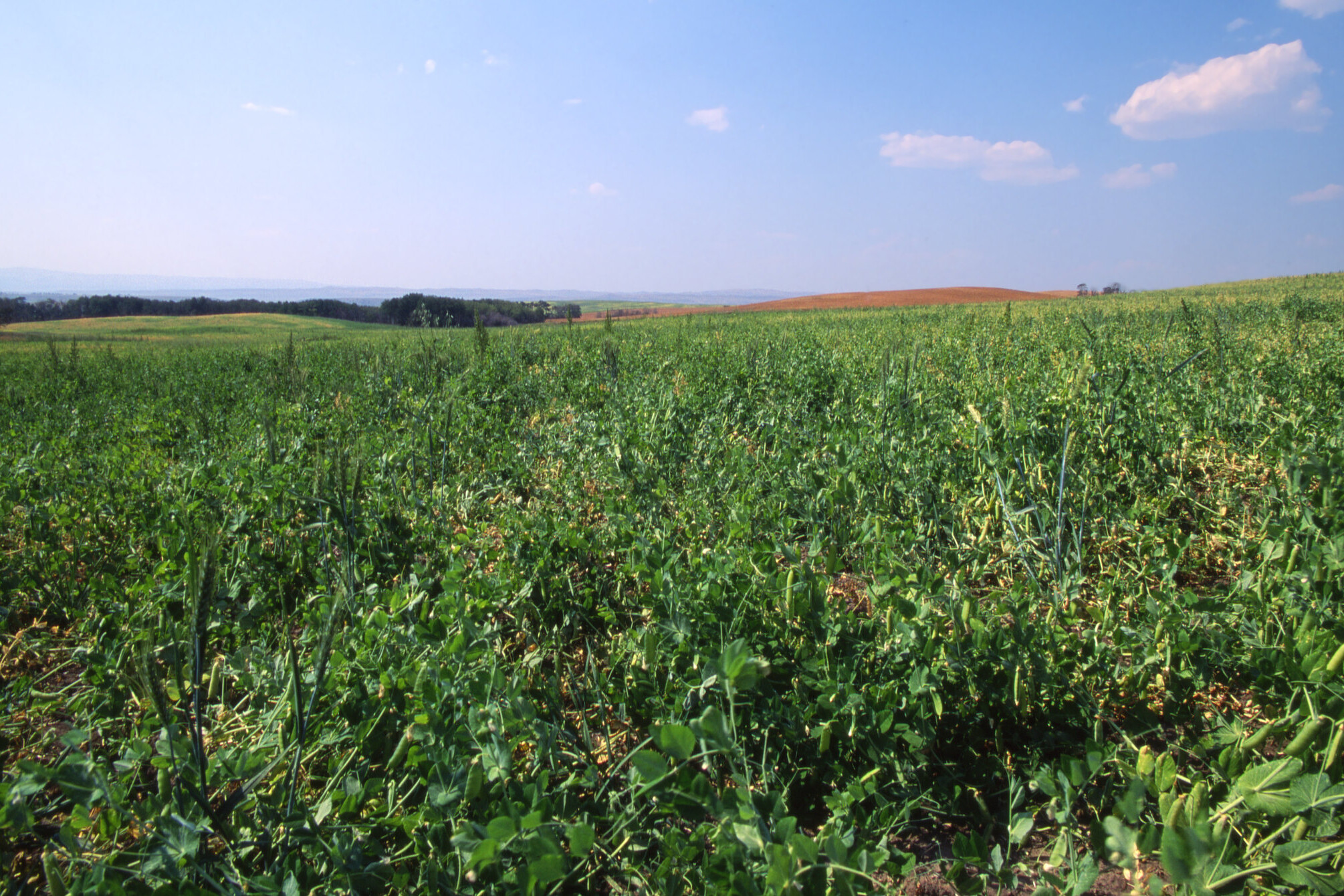
Weeds represent a significant threat to crop production. They cause losses in both yield and quality, along with incurring substantial costs for control measures. The presence of weeds heavily influences the decisions made by producers, necessitating additional resources such as land, labor, equipment, fuel, herbicides, insecticides, fungicides, fertilizers, and irrigation water to maintain economically viable production.
Trial objectives were to:
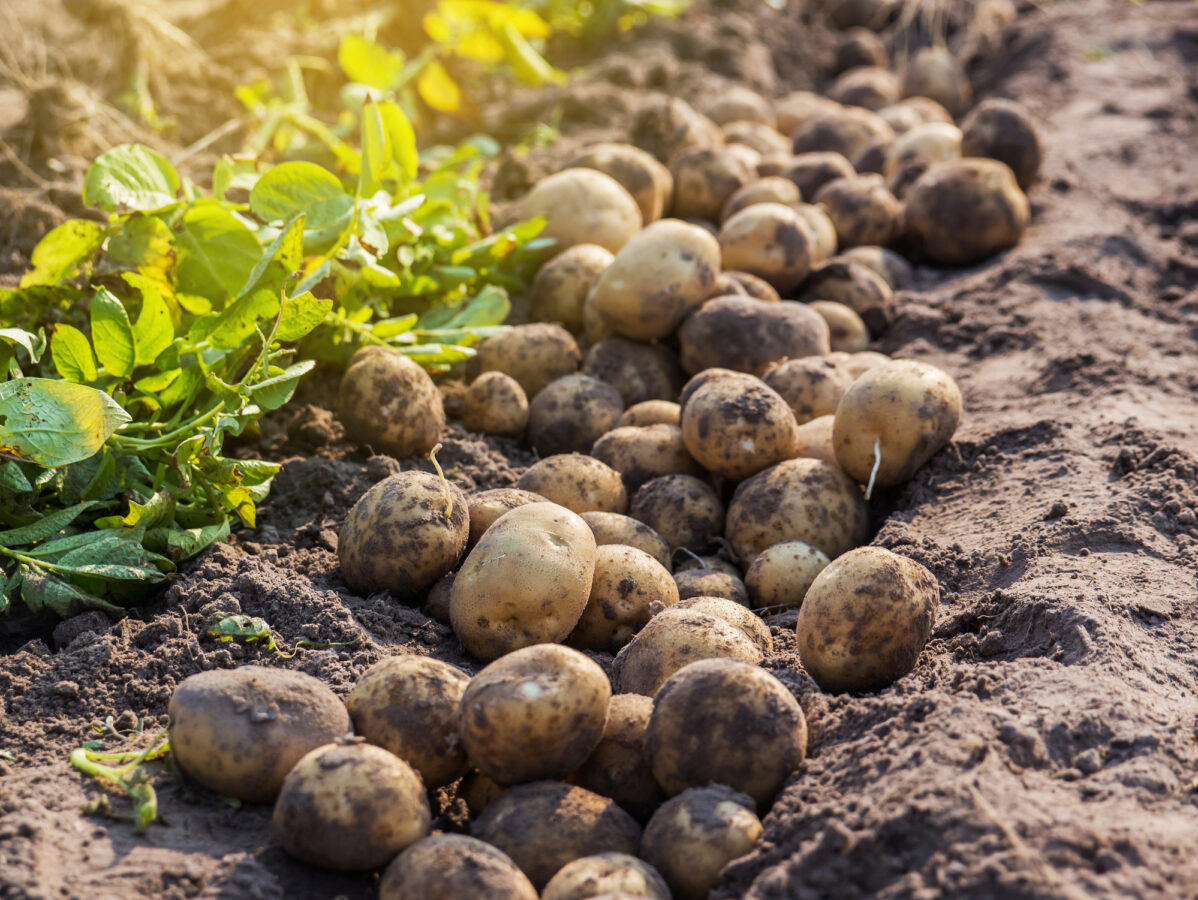
1. Evaluate and demonstrate the effectiveness of using white mustard, rapeseed, annual rye, and sudangrass as green manure to control weeds without herbicides in green peas, potatoes, cucumbers, and mint, while also renewing soil organic matter and conserving nutrients.
2. Assess the value and feasibility of mechanical cultivation for controlling weeds in green peas in combination with green manuring.
Results indicate that Brassica green manure crops may suppress certain weeds but might also harm succeeding crops. In these studies, potatoes, spearmint, and cucumbers were not adversely affected by green manure crops incorporated only a few days before planting. However, green peas were negatively impacted by rapeseed but not by white mustard. Planting a green manure crop of rapeseed before potatoes may help suppress nematodes, certain fungal diseases, and weeds. When utilized primarily for controlling nematodes or diseases, green manure crops can enable organic growers to reduce or delay cultivation efforts.
Region
Northwest
Topic
Weed Management, Cropping Systems
Category
Vegetables/Fruits, Herbs/Flowers
Date Range
2000 and earlier
Funding Amount
$5,000
Funding Year
1993Location
Mt.Vernon, Washington
Collaborators
Rick Boydston, USDA-ARS
Woody Deryckx, Cascadian Farm