Stay in the know!
Set up content alerts based on your personalized search terms, delivered on your preferred schedule.
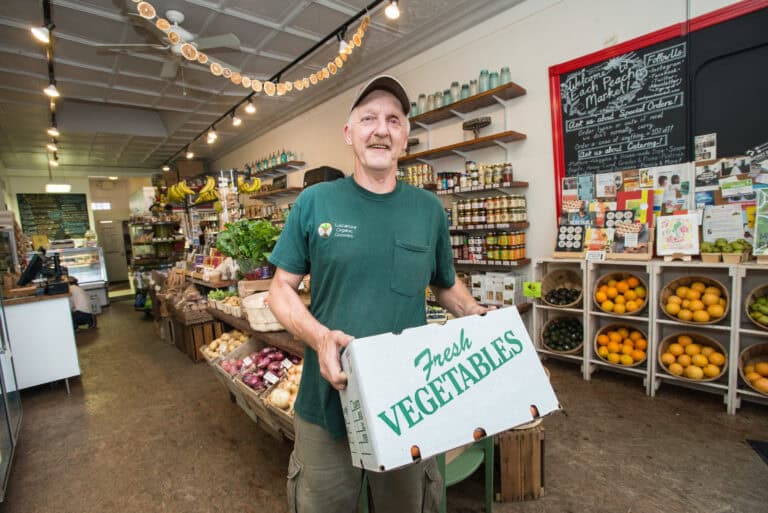
This manual is an educational resource and introduction to handling, storing and selling organic products in the United States, and is designed to provide insight on how to protect the organic integrity of the products through retail channels.
Source: Organic Trade Association (OTA)
Keywords: Business and Marketing
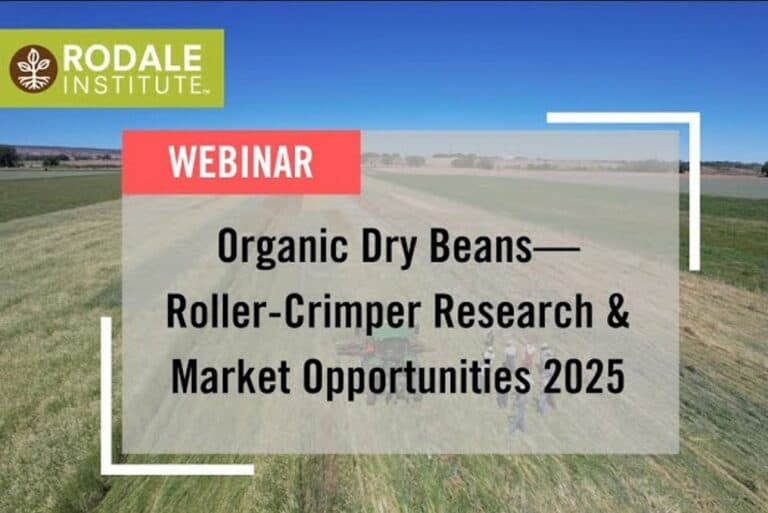
Join Rodale Institute for a webinar about Tuxedo Corn Farms’ certified-organic dry bean cleaning and processing facility in Olathe, CO. This webinar will examine market opportunities for organic dry beans, production challenges, reduced/no-till adaptations, and strategies for growers entering this niche.
Source: Rodale Institute
Keywords: Weed Management, Cropping Systems, Business and Marketing
Crop/Livestock Type: Dry Bean
Raising dairy heifers in a certified organic setting can be challenging. Organic producers can feed a total mixed ration (TMR) containing all the required nutrients, but due to high organic feed costs, many opt for a pasture-based system instead, with lower rates of gain. Join Jake Hadfield from Utah State University for a discussion about implementing mixed grass-legume pastures in organic dairy systems.
Source: eOrganic
Keywords: Livestock Feeding, Livestock Well-Being
Crop/Livestock Type: Cattle
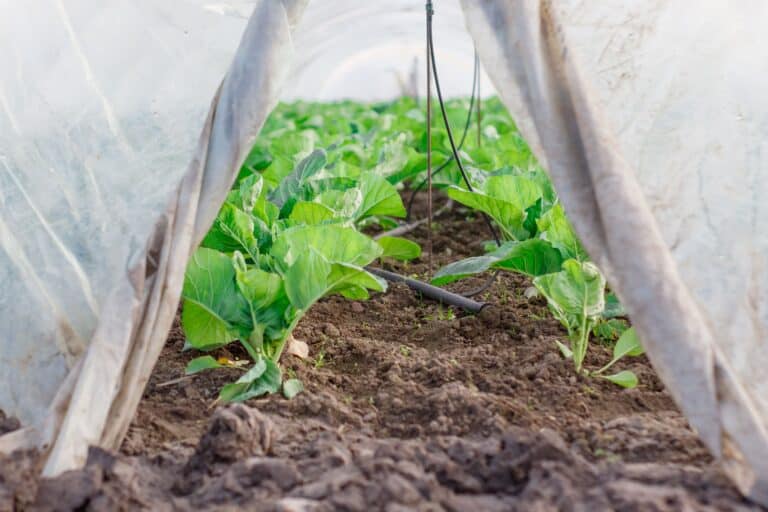
The guide explores pest management across the Southeast using Integrated Pest Management (IPM), High Tunnel Pest Exclusion (HTPE) systems and shade cloths to effectively reduce pest pressure in vegetable production.
Source: SARE
Keywords: Insect/Pest Management, Season Extension
Crop/Livestock Type: Eggplant, Squash, Tomato

Biobased plastic mulches could provide many of the same benefits as a conventional plastic mulch, without relying on single-use, petroleum-based plastic. Multi-layer biobased fabrics have been created out of polylactic acid (PLA), a biodegradable plastic material that can be manufactured from vegetable starch. Researchers at the University of Nebraska and 3M created a set of field experiments to determine how PLA mulch could be deployed as a plastic mulch in organic carrot production systems.
Contact: Sam Wortman, University of Nebraska, Lincoln
Keywords: Weed Management, Cropping Systems
Crop/Livestock Type: Carrot
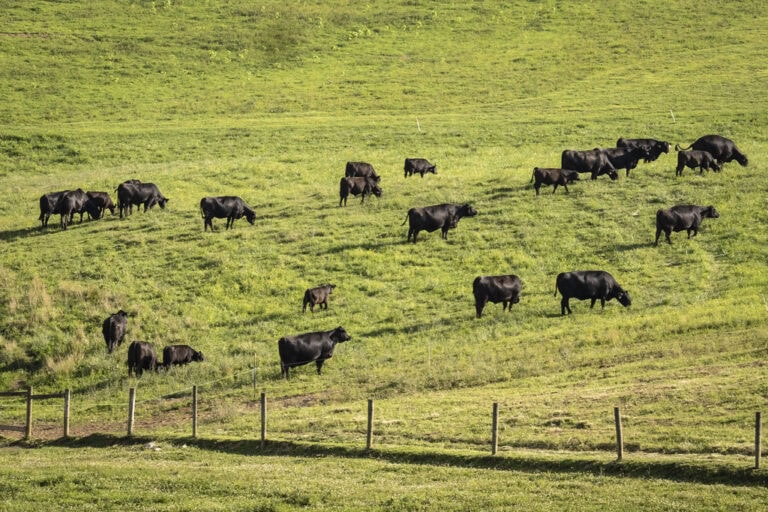
Implementing a sound reproductive program is crucial for organic dairy financial health. Focus on timely breeding, natural treatments, and effective heat detection to maintain high milk production and a steady supply of heifers.
Source: eOrganic
Keywords: Tools and Technology, Livestock Well-Being
Crop/Livestock Type: Cattle
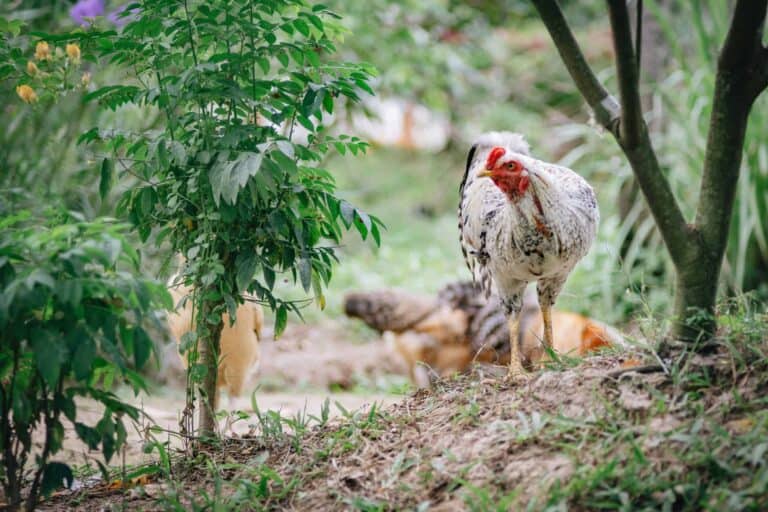
Food safety is a consideration in integrated crop-livestock systems. Raw manure can carry pathogens that contaminate crops, and vegetable production poses an especially high contamination risk. This study, conducted by researchers at Iowa State University, examined poultry integration in an organic summer vegetable system to determine whether poultry raised in the summer or fall after spring vegetables could be safely integrated into a vegetable crop rotation while enhancing soil health.
Contact: Moriah Bilenky, Purdue University
Keywords: Soil Health, Crop Nutrient Management, Livestock Feeding, Livestock Well-Being, Post-Harvest Quality and Safety
Crop/Livestock Type: Broccoli, Carrot, Cereal Rye, Chicken, Cover Crop, Crimson Clover, Lettuce, Oat, Pepper, Spinach
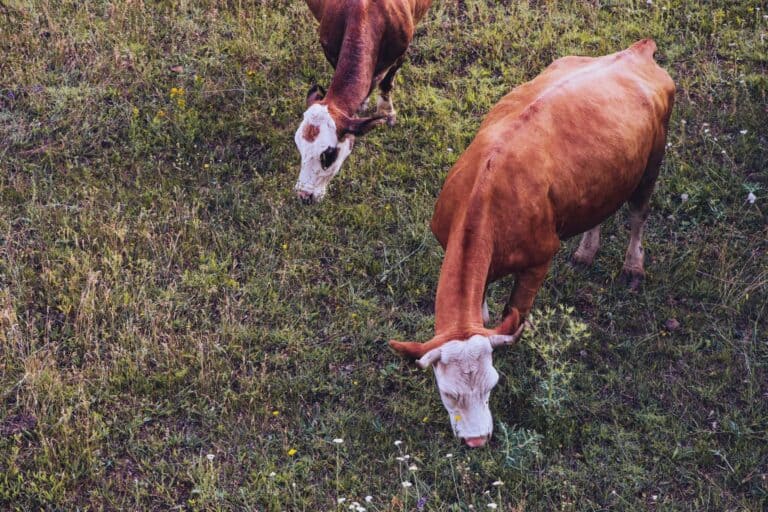
Cover cropping and grazing can provide effective, natural methods for managing weeds during the transition to organic. This study evaluated the weed control capabilities of six unique cover crop mixes (grazed and ungrazed) in a reduced-tillage, organic-transitioning cropping system in North Dakota.
Contact: Abmael Cardoso, University of Wisconsin-Madison
Keywords: Soil Health, Weed Management, Transitioning to Organic, Cropping Systems, Livestock Feeding
Crop/Livestock Type: Cattle, Cover Crop, Goat, Oat

Organic beekeepers need research-based practical information on best management practices that comply with National Organic Program (NOP) standards and maintain colony health. This project compared three approaches: conventional, organic, and chemical-free. Researchers convened beekeepers representing all three systems to discuss their management practices and conducted field trials at to compare colony survival and health, honey production, and net economic returns in the three systems.
Contact: Margarita Lopez-Uribe, Pennsylvania State University
Keywords: Disease Management, Insect/Pest Management, Business and Marketing, Livestock Well-Being
Crop/Livestock Type: Honeybee
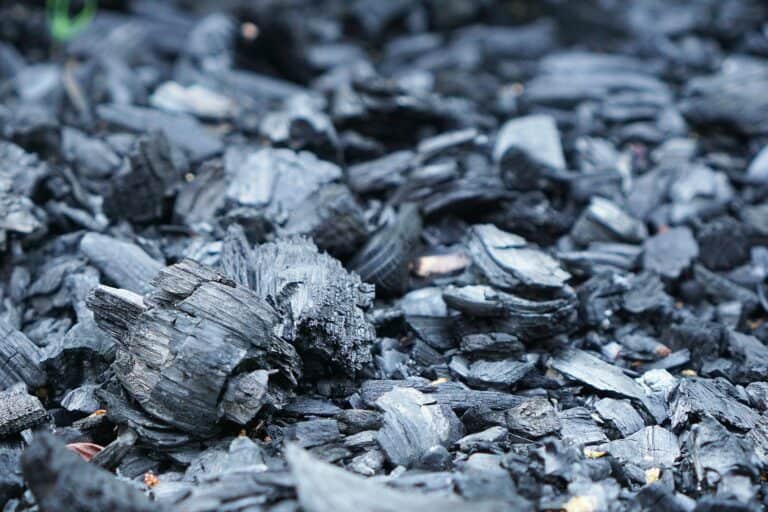
Biochar, a byproduct of the pyrolysis of crop residues or animal waste, has gained significant interest in recent years as a climate-smart soil amendment; however, its effects on soil greenhouse gas emissions are not well understood. This study evaluated the combined effects of organic cotton residue biochar, cover crops, and poultry litter on soil CO2, N2O, and CH4 emissions.
Contact: Nithya Rajan, Texas A&M University
Keywords: Soil Health, Crop Nutrient Management, Climate Solutions
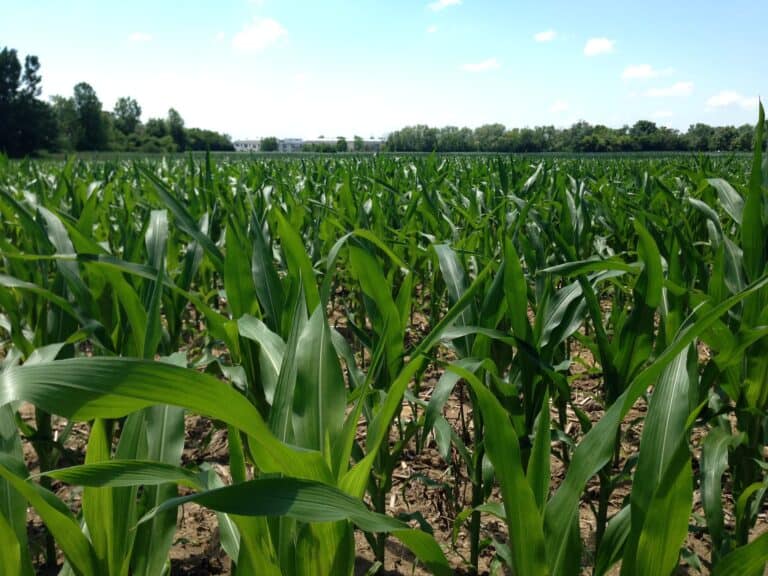
Mechanical Management Strategies Improve Corn Production in Organically Managed Living Mulch Systems
Living mulches offer farmers a way to reduce tillage and provide weed control in organic production, but more information is needed on how to best manage living mulches to reduce competition with the cash crop. This study evaluated different management practices of a red clover living mulch in organic corn, and the resulting effects on clover growth, weed control, and corn stands and yield.
Contact: Ben Brockmueller, University of Wisconsin
Keywords: Soil Health, Weed Management, Cropping Systems
Crop/Livestock Type: Clover, Corn, Cover Crop
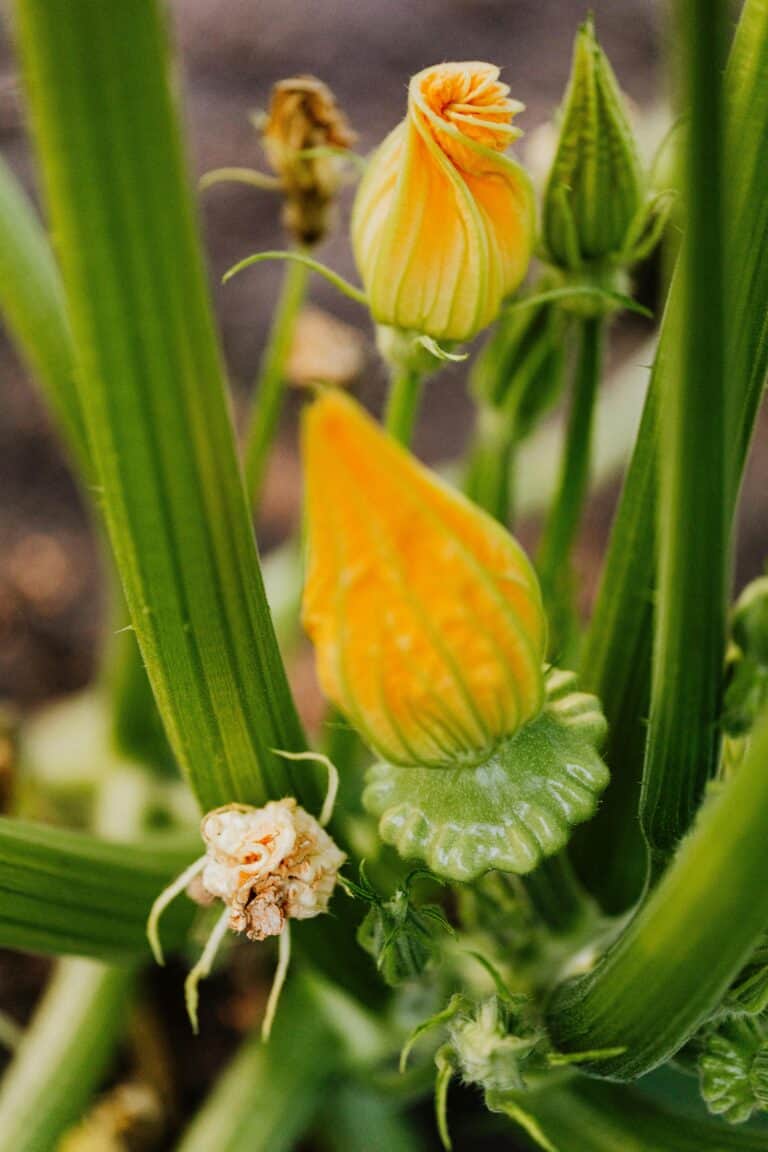
Many organic cucurbit producers use physical pest exclusion tactics, including installing fine-mesh row covers over mesotunnels during the growing season, however this also excludes native pollinators. Several strategies have emerged for managing pollination beneath row covers. This study compared the pest control and pollination efficacy of four different row cover management strategies for organic acorn squash.
Contact: Kathleen Fiske Pulliam, University of Kentucky
Keywords: Disease Management, Insect/Pest Management
Crop/Livestock Type: Cucurbits, Squash
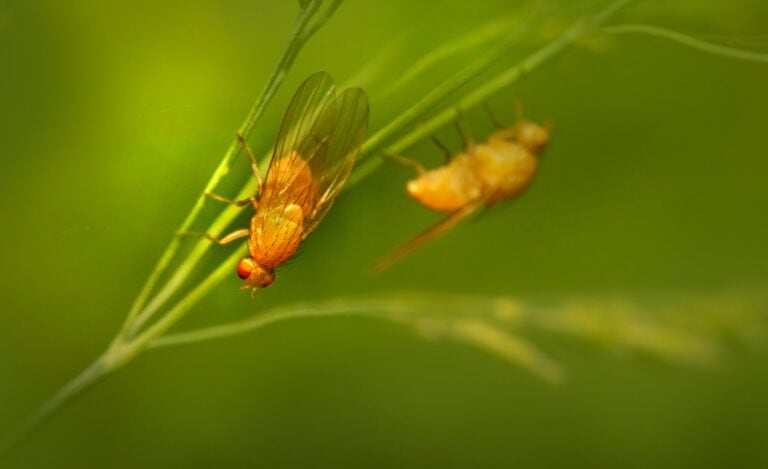
Spotted-wing drosophila (SWD) is a major economic pest of fruit and berry crops, and management options are limited for organic producers. This study, conducted in Florida and Georgia, tested different combinations of gel attractants and organically-approved insecticides (an ‘attract-and-kill’ tactic) for their efficacy in protecting blueberries against SWD.
Contact: Elena Rhodes, University of Florida
Keywords: Insect/Pest Management
Crop/Livestock Type: Blueberry
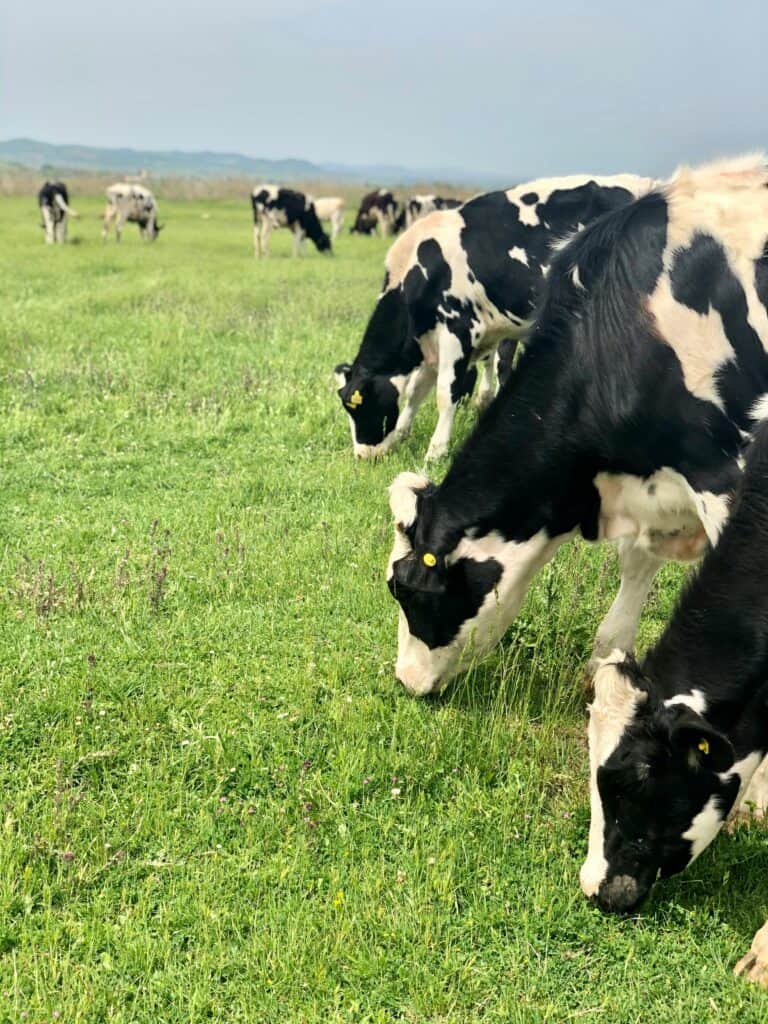
Feed costs represent one of the largest expenses on a dairy farm, and farmers must decide how to balance forages grown on the farm and supplemental feed purchased from off-farm sources. In this study, researchers from Kentucky and Tennessee designed an economic model to determine outcomes of different ration balances for an organic dairy farm in the Mid-South.
Contact: Kenneth Burdine, University of Kentucky
Keywords: Livestock Feeding, Livestock Well-Being
Crop/Livestock Type: Cattle
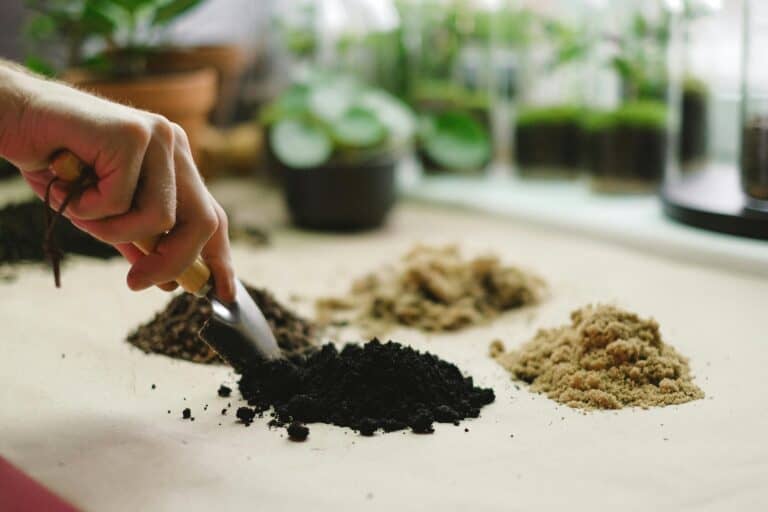
Soil amendments may be of particular importance in organic vegetable cropping systems in the Southeastern U.S., owing to the size of the vegetable industry, the growth of the organic sector, and the sandiness of coastal soils. This Florida study evaluated the effects of two mineral soil amendments on soil health properties and vegetable crop yield over two years.
Contact: Gabriel Maltais-Landry, University of Florida
Keywords: Soil Health, Crop Nutrient Management
Crop/Livestock Type: Cabbage, Carrot, Cover Crop, Sorghum, Sudangrass, Sunnhemp
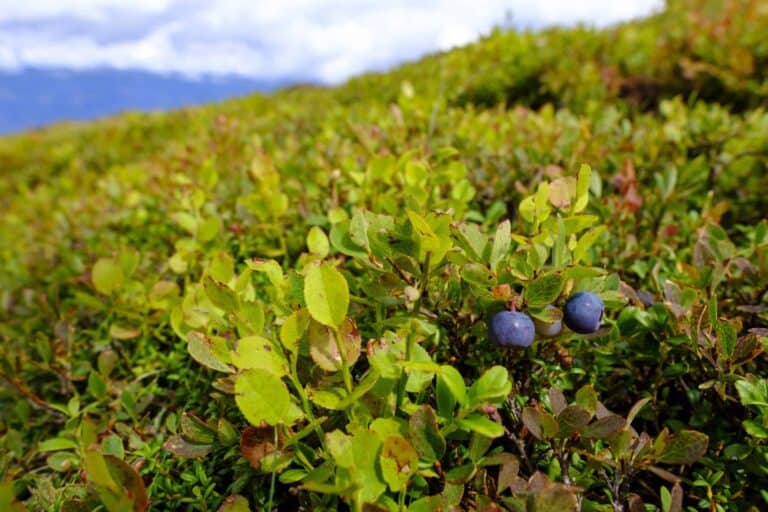
Blueberries are an important berry crop in the United States, with much of the national production occurring in the Pacific Northwest, where soils are acidic and organic matter content high. Recent research has investigated the ability of soil amendments to improve the suitability of sandier soils for organic blueberry production. This Oregon study evaluated the impact of several organic amendments on soil health indicators and microbial community structure.
Contact: Scott Lukas, Oregon State University
Keywords: Soil Health, Crop Nutrient Management
Crop/Livestock Type: Blueberry
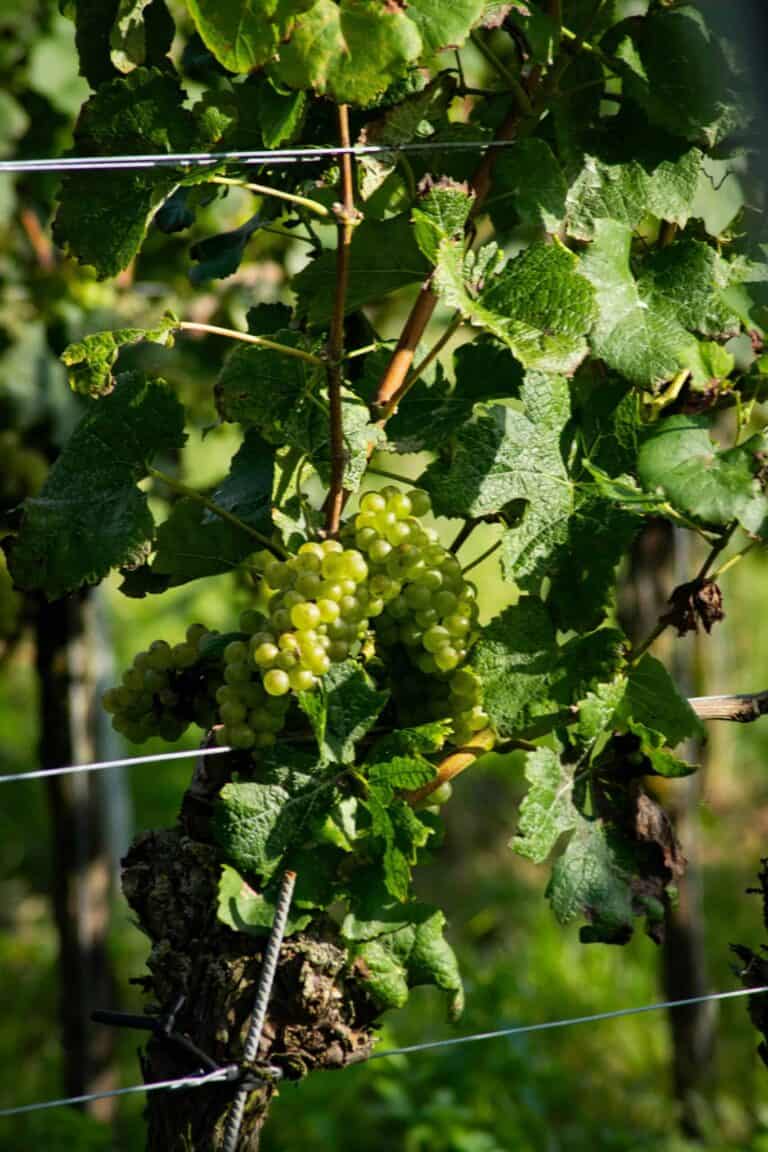
Kaolin clay is an organic pesticide known to be effective against multiple pests. It works by creating a particle film that coats plant surfaces, discouraging movement by insect pests across foliage or fruit surfaces. This study evaluated the efficacy of kaolin clay to control western grape leafhopper populations in winegrapes, as well as its potential to reduce sunburn.
Contact: Cody Copp, Oregon State University
Keywords: Disease Management, Insect/Pest Management
Crop/Livestock Type: Grape
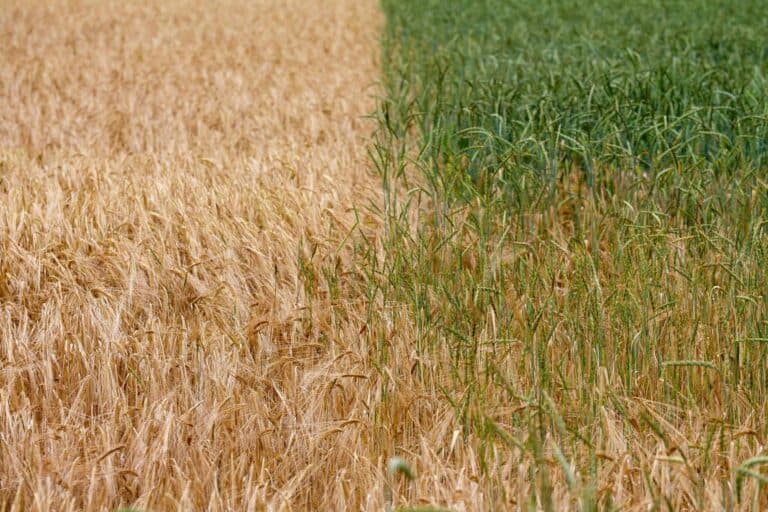
Winter cover crops are becoming an increasingly important cultural management practice against weeds. However, growers in more arid climates frequently express concerns about the effects of cover crops on soil moisture. In this study, researchers compared small grain winter cover crop species in New Mexico, and, identifying barley as a top-performer, evaluated barley’s impacts on weeds and soil water content.
Contact: Richard Pratt, New Mexico State University
Keywords: Crop Nutrient Management, Weed Management, Cropping Systems
Crop/Livestock Type: Cover Crop, Small Grains
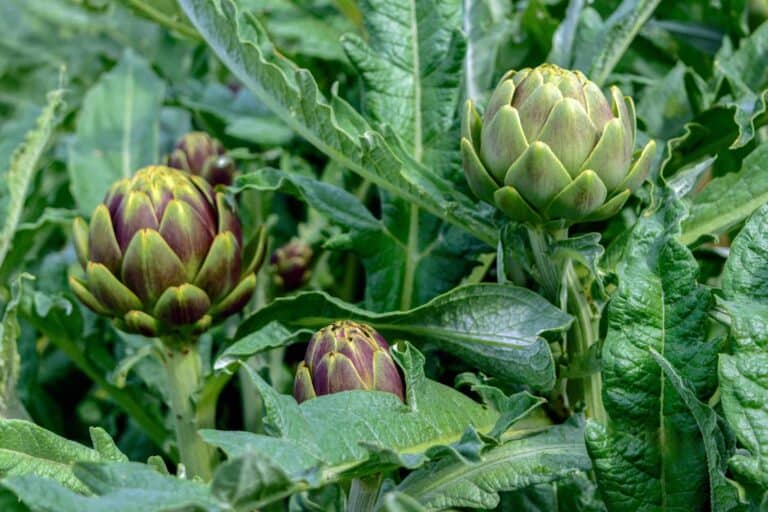
Ground cover management is an important tool for managing crop quality and sustainability within organic vegetable systems. Many organic growers use plastic mulch beneath their cash crops, but cover crops can be an effective, sustainable alternative. This Rodale study evaluated plastic mulch against three living mulch species and a crimped cover crop mulch in a small plot field experiment.
Contact: Arianna Bozzolo, Rodale Institute California Organic Center
Keywords: Soil Health, Crop Nutrient Management, Weed Management, Cropping Systems
Crop/Livestock Type: Artichoke, Cover Crop
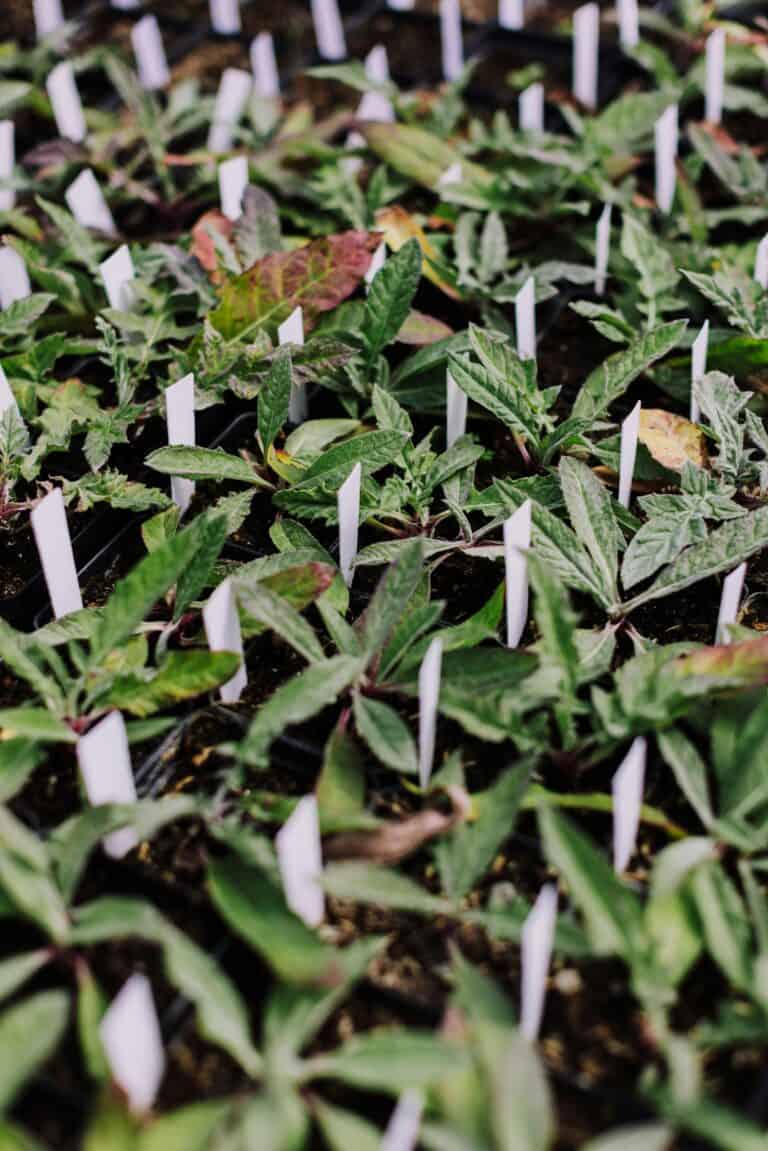
Growing media provide nutrient-rich substrates for seedling transplants in vegetable production systems. Certified organic growers are required to use growing media that meet NOP standards, which can be costly and vary widely in composition and effectiveness. Researchers at Purdue University established greenhouse and field trials to evaluate the efficacy of several commercially-available, organic growing media in a tomato production system.
Contact: Elizabeth Maynard, Purdue University
Keywords: Crop Nutrient Management, Plant Breeding, Varieties, and Seeds
Crop/Livestock Type: Tomato