Project Overview
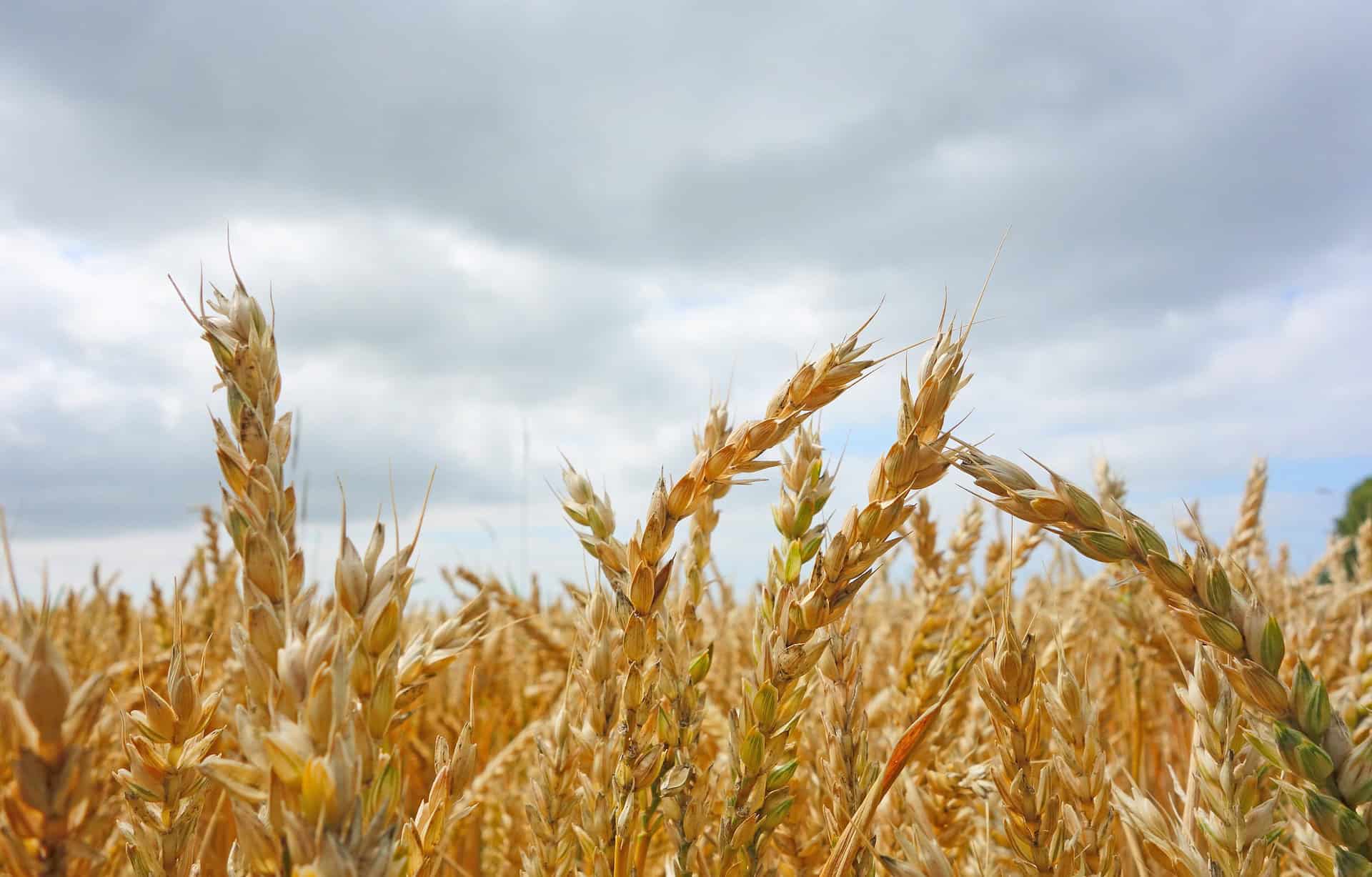
Winter cover crops are becoming an increasingly important cultural management practice against weeds. Small grain cover crops represent a robust and reliable option that creates an unfavorable environment for weeds while still providing good agronomic conditions for the subsequent cash crop. However, growers in more arid climates frequently express concerns about the effects of cover crops on soil moisture, particularly about direct water use by the cover crop. Thirsty cover crops have the potential to reduce irrigation efficiency and compete for water with cash crops; as such, growers in arid regions need targeted information about using cover crops as an organic weed management tool.
In this study, researchers from New Mexico State University established multi-year field experiments to identify optimal small grain cover crops for agronomic systems in New Mexico. They identified barley as a high-potential winter cover crop, and, in subsequent field experiments, evaluated barley’s abilities to suppress weeds and its impacts on soil water content.
Farmer Takeaways
- Barley, oats, wheat, and rye are all viable weed-suppressing winter cover crops for arid regions.
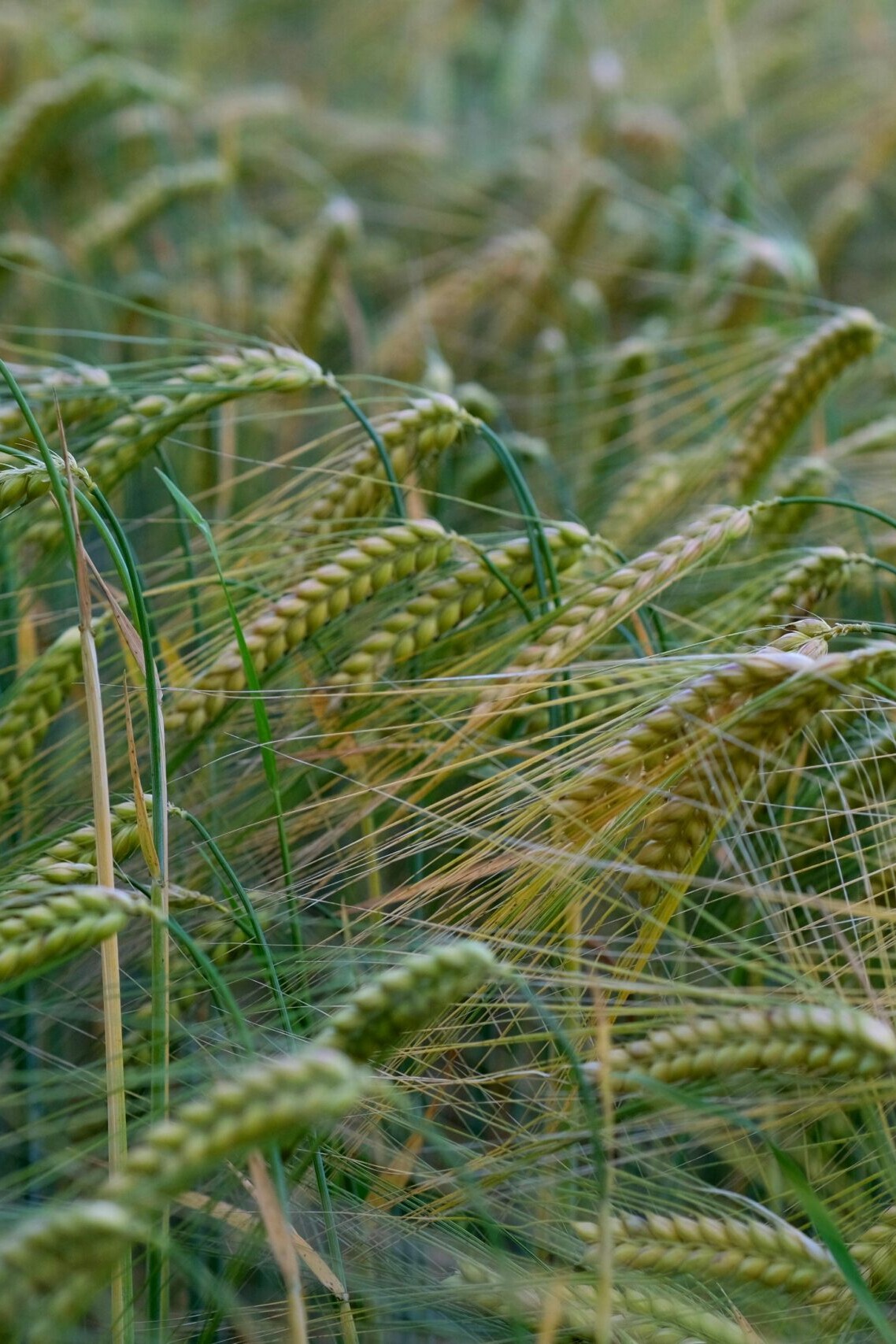
- Barley emerged as the top-performing weed-suppressing winter cover crop in this New Mexico study, and nearly every evaluated barley cultivar reduced spring weed emergence prior to cover crop termination.
- Planting barley as a winter cover crop can increase soil moisture by >40% compared to bare-ground plots, which is especially important in arid growing environments. Additional research is needed to determine whether these soil moisture and weed suppression benefits impact subsequent cash crop yields/performance.
Project Objectives and Approach
Compare small grain species for their viability as a weed-suppressing winter cover crop in New Mexico, and identify the optimal species
- Researchers at New Mexico State University established field experiments to test barley, oats, wheat, and rye as winter cover crops in an agronomic cropping system, between two summer sesbania cover crops. The goal was to find a cover crop rotation that could build soil health and preserve soil water content for farmers undergoing organic transition.
- Each small grain was drill-seeded at a rate of 80 lbs per acre in the fall. In the following spring, cover crops were terminated with a roller crimper.
- Before cover crop termination, the researchers counted weed populations and used quadrat sampling to measure cover crop and weed biomass in each plot.
-
- The cover crop weed index was calculated for each treatment by dividing cover crop biomass by weed biomass. Higher cover crop weed index values indicate better weed suppression, and researchers used this index to identify treatments with better weed control.
-
Evaluate varieties of the optimal cover crop species (as identified in Objective 1) for emergence, weed suppression, and effects on soil moisture
- Barley was identified as the top-performing small grain cover crop, per Objective 1. Following a similar methodology as the initial field trials, seven barley varieties were evaluated for their performance as weed-suppressing winter cover crops, with particular attention paid to impacts on soil moisture.
-
- Of the seven varieties evaluated, three (‘Robust’, ‘UC603’ and ‘P919’) were carried forward into a second year of study.
-
- Weed density was measured with quadrat sampling, while barley inflorescence development was observed prior to termination. Volumetric soil moisture content was measured using soil probes throughout the barley growing season at 2” and 12” depths.
Key Findings
Multiple small grain species performed well as weed-suppressing winter cover crops in arid conditions, but barley emerged as the optimal choice
- Of the four small grain species tested, barley was the most effective weed-suppressing winter cover crop. **It should be noted that all four small grain species achieved weed suppression of at least 47% compared to the control plots, emphasizing that small grain cover crops can be a viable weed management strategy in organic systems.
- Rye had somewhat reduced weed suppression compared to the other small grains, likely due to spotty emergence caused by dry conditions. Wheat was also somewhat variable. Barley and oats both had excellent weed suppression, though barley was relatively more effective at suppressing grass weeds.
All of the evaluated barley varieties effectively reduced weed populations and improved soil moisture
- All seven barley varieties reduced weed density by at least 85% compared to the untreated control, with the exception of one six-row, spring (non-vernalizing) variety called ‘UC937.’
- All seven barley varieties increased soil moisture at multiple depths throughout the duration of the experiment. The average increase in soil moisture was 46.5%, relative to nontreated controls.
- Different barley cultivars resulted in different levels of flowering around the time of cover crop termination, with rapidly maturing varieties creating more spikes. Different termination strategies and grower preferences may favor cover crops with different levels of flowering, and barley cultivars may be selected to achieve more or less flowering.
Resources
Pratt, R. C., Schutte, B. J., Idowu, O. J., Uchanski, M., & Grant, L. (2023). Fall-sown small grain cover crops for weed suppression and soil moisture management in an irrigated organic agroecosystem. Renewable Agriculture and Food Systems, 38, e1.
Read MoreLocation
New MexicoCollaborators
Brian Schutte, New Mexico State University
John Idowu, New Mexico State University
Mark Uchanski, New Mexico State University
Lois Grant, New Mexico State University
Region
West/Southwest
Topic
Crop Nutrient Management, Weed Management, Cropping Systems
Category
Grain and Field Crops
Year Published
2022