Project Overview
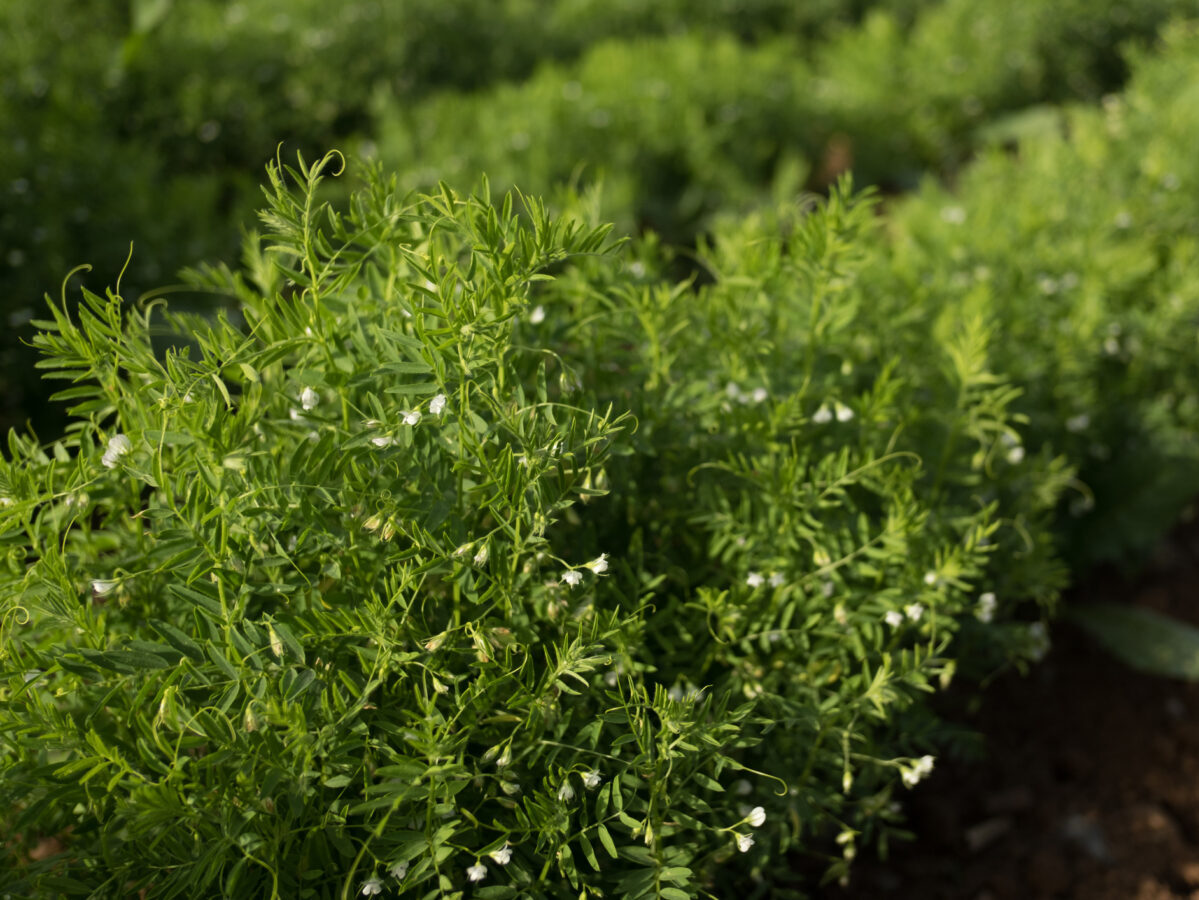
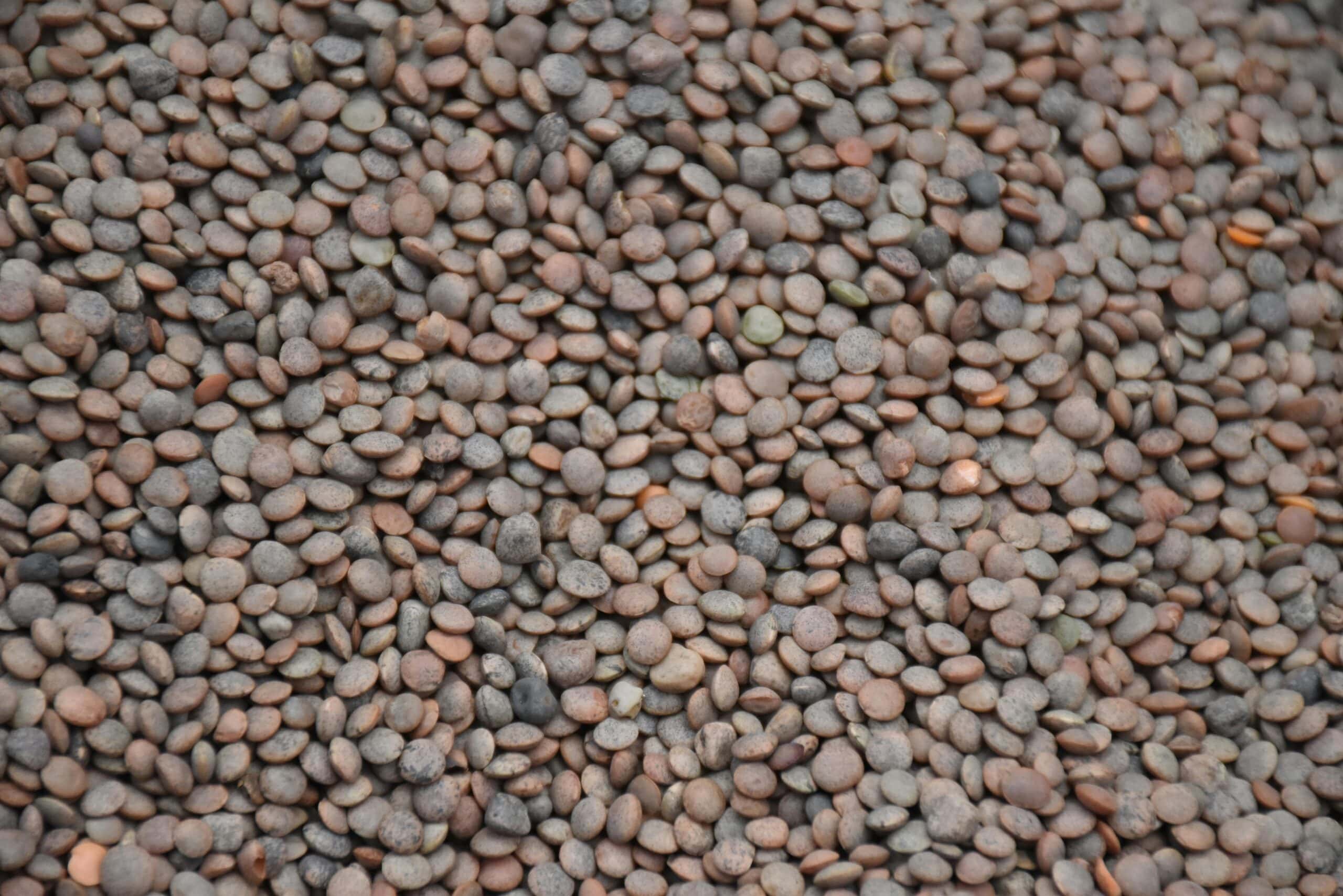
Lentils are an important legume crop that can diversify agronomic crop rotations. They are a cool-season species typically grown as a spring crop, and have been produced successfully in the Palouse and Northern Great Plains regions of the United States. Interest in lentil production in other regions (i.e., the Southeast) is growing, but producers need additional information about which lentil varieties perform well under warm/humid growing conditions.
In this study, researchers at Clemson University screened 238 lentil genotypes at research farms across South Carolina and evaluated lentil performance when grown as a winter crop in a humid, subtropical climate.

Farmer Takeaways
- Genotypes with high disease resistance may be particularly important for lentil production in the Southeastern U.S., as disease pressure (especially root rot) was the primary production constraint at both sites.
- Lentil genotypes with lower disease severities, taller plants, and/or fuller canopies tended to be correlated with higher crop yields and longer times to flowering and maturity.
- Of the 238 evaluated genotypes, 29 had favorable trait combinations of low disease severities and high plant heights/canopy covers.
Project Objectives and Approach
Evaluate the performance of different lentil genotypes when grown as an organic winter crop in the Southeastern U.S
- Researchers at Clemson University tested a diverse panel of 238 lentil genotypes, sourced from existing lentil breeding programs. Genotypes were chosen to represent diverse agronomic and nutritional traits.
- Lentil genotypes were grown in small-plot experiments at two certified-organic farms in South Carolina between 2022 and 2024.
- Lentil plots were drill-seeded or hand planted into tilled fields in February of each study year.
- Weed management with cultivation and hand weeding was carried out for the first 60 days of each growing season.
- No other mechanical treatments or inputs were used.
Measure key growth metrics and identify lentil genotypes with favorable trait combinations
- Throughout each growing season, data was collected on disease severity and incidence, plant height, canopy cover, days to flowering, days to maturity, lodging, and crop yield.
- Researchers performed statistical analyses to analyze correlations between traits and to identify lentil genotypes with good agronomic potential.
Key Findings
Lentil genotypes with high disease resistance may be particularly important for successful lentil production in warmer, humid Southeastern growing conditions
- Disease pressure was the primary production constraint at both sites. This finding emphasizes the importance of selecting lentil cultivars with high disease resistance (low disease severity scores) for production systems with warm/humid growing conditions, such as those found in the Southeastern U.S.
-
- Root rot was the most common disease across all genotypes, suggesting that lentils may be less-adapted to wetter, heavier soils.
-
- Lentil genotypes with lower disease severities, taller plants, and/or fuller canopies tended to be correlated with higher crop yields. These favorable agronomic traits were also associated with longer times to flowering and maturity, suggesting that lentil genotypes most-suited to Southeastern growing conditions may require a relatively long growing season.
-
- Of the 238 evaluated lentil genotypes, 29 had a favorable combination of low disease severity, high plant height and canopy, and low lodging. **Note: For more detailed information on individual lentil genotype performance, please refer to the original text.
-
Resources
Dempsey, M., Bridges, W., & Thavarajah, D. (2026). Lentil genotypes potentially suitable for organic production in the southeastern United States. Crop Science, 66(2), e70272.
Read MoreLocation
South CarolinaCollaborators
Mark Dempsey, Clemson University
William Bridges, Clemson University
Region
Southeast
Topic
Plant Breeding, Varieties, and Seeds
Year Published
2025