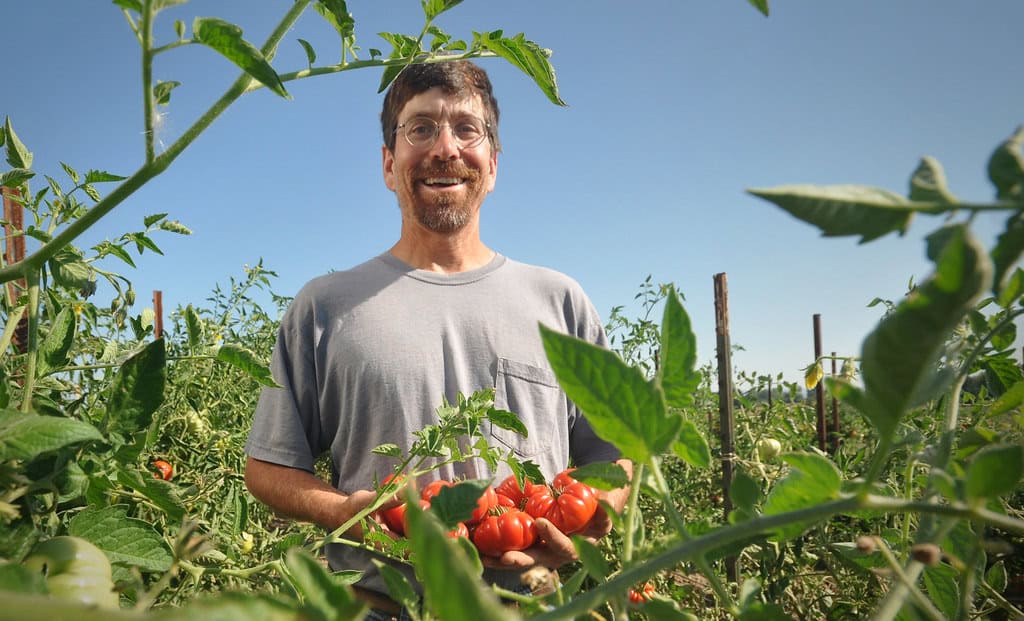
Organic Management of Bacterial Wilt of Tomato and Potato Caused by Ralstonia solanacearum
Bacterial wilt, caused by Ralstonia solanacearum, significantly affects potato and tomato crops. Learn the biology and…

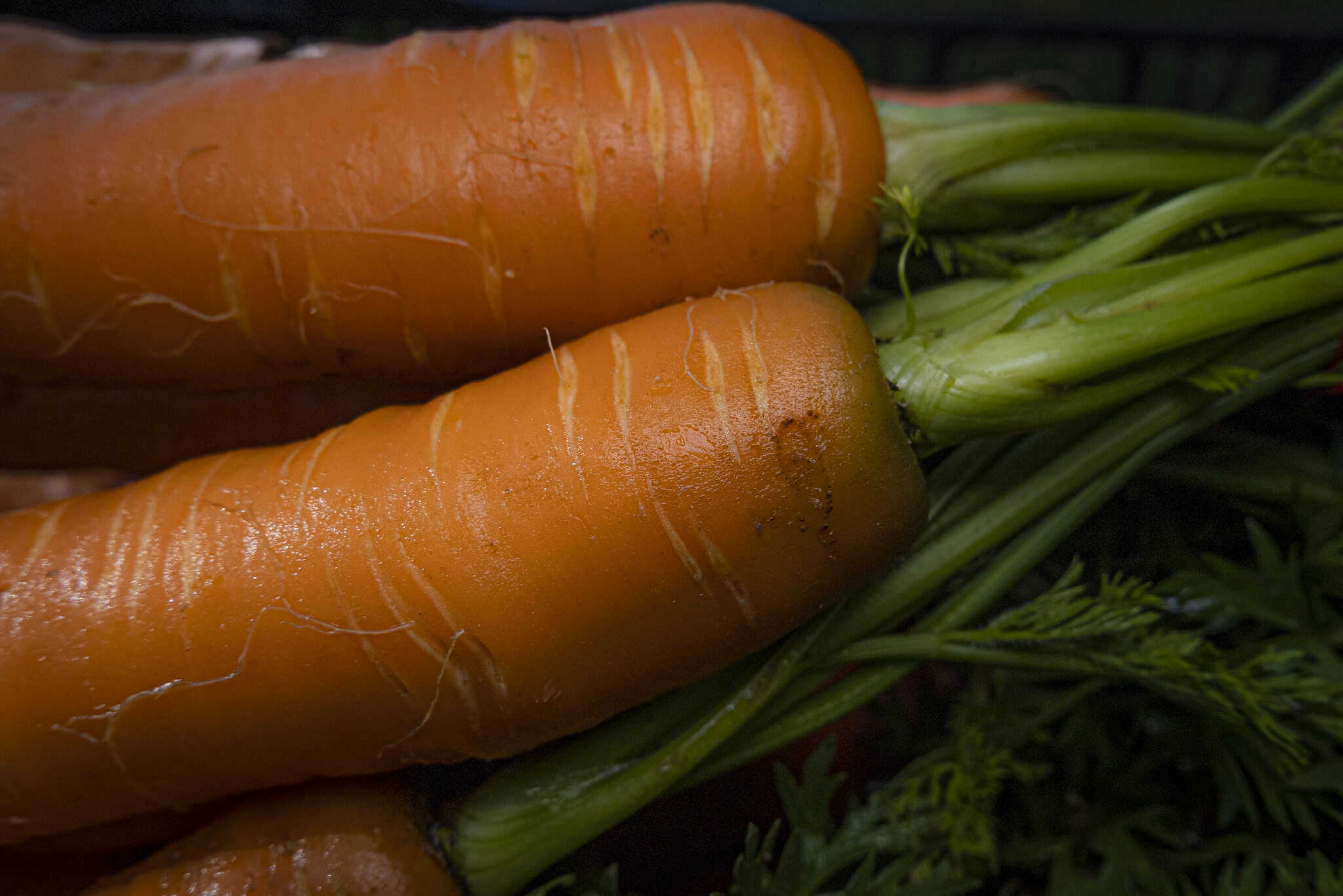
Hydromulching in Carrot: An Organic Weed Control Tool for Direct Seeded Crops
Explore the benefits of mulching for weed suppression and crop growth, including biodegradable options. Discover…

How to Use Paper Bags to Protect Organic Peaches from Insects and Diseases in the Southeastern United States
Explore the use of paper bags in disease and insect management in organic peach production.

Reusable Black Tarps Suppress Weeds and Make Organic Reduced Tillage More Viable
Explore the benefits of using black plastic tarps in organic vegetable farming to reduce intensive tillage, control…
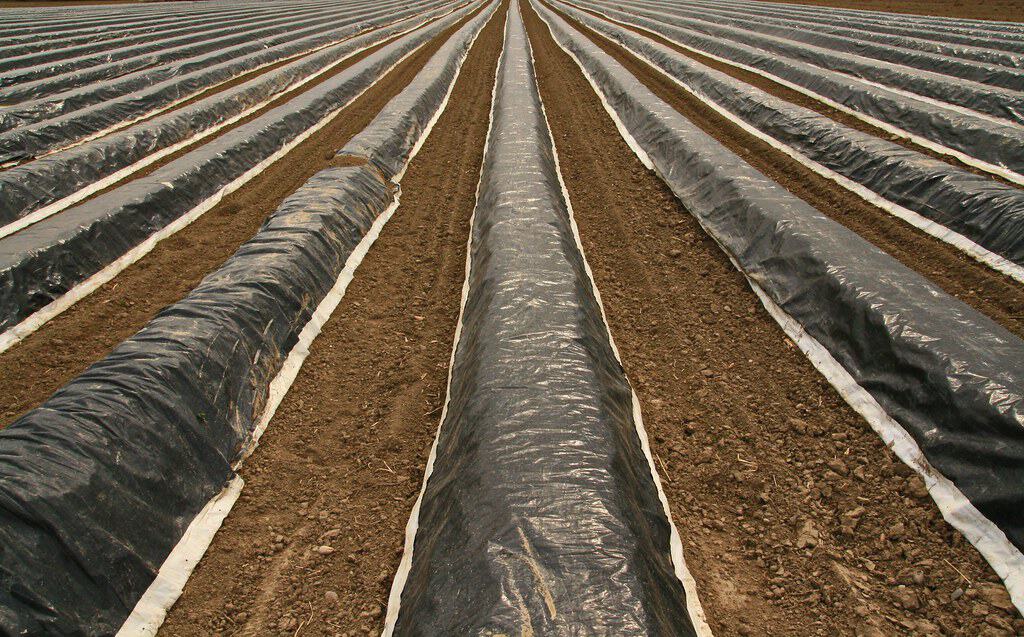
Solarization and Tarping for Weed Management on Organic Vegetable Farms in the Northeast USA
Mulching with plastic before planting reduces weed pressure, benefiting high-value crops. Both solarization and tarping…

Breaking Bad Habits: Integrating Crop Diversity into High Tunnel Production Systems
Explore innovative high tunnel production strategies for diverse crops beyond tomatoes, including strawberries and…
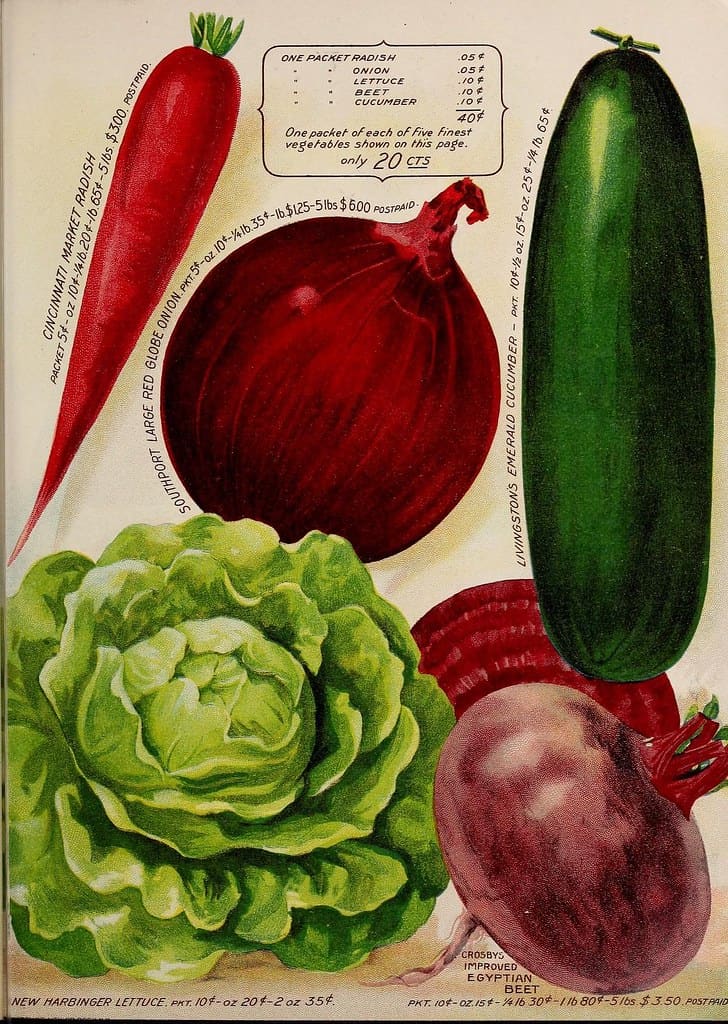
Seed Economics Toolkit for Organic Seed Growers
This resource offers essential training and tools for organic seed growers, focusing on enterprise budgeting, inventory…
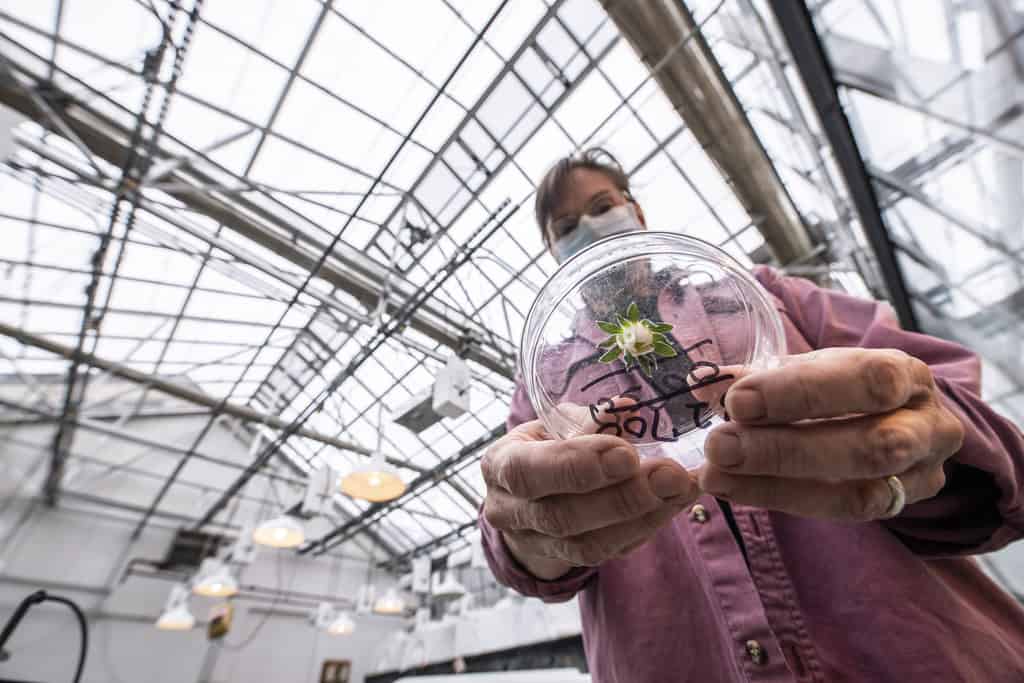
A Primer on Plant Breeding and Intellectual Property Rights in Organic Seed Systems
Explore the evolution of plant breeding, emphasizing the importance of genetic diversity for crop improvement and the…

Options for Including Cover Crops in High Tunnel Rotations in the Northern United States
High tunnels enhance growing seasons for organic produce, improving yield and quality. USDA-NRCS offers cost-share…
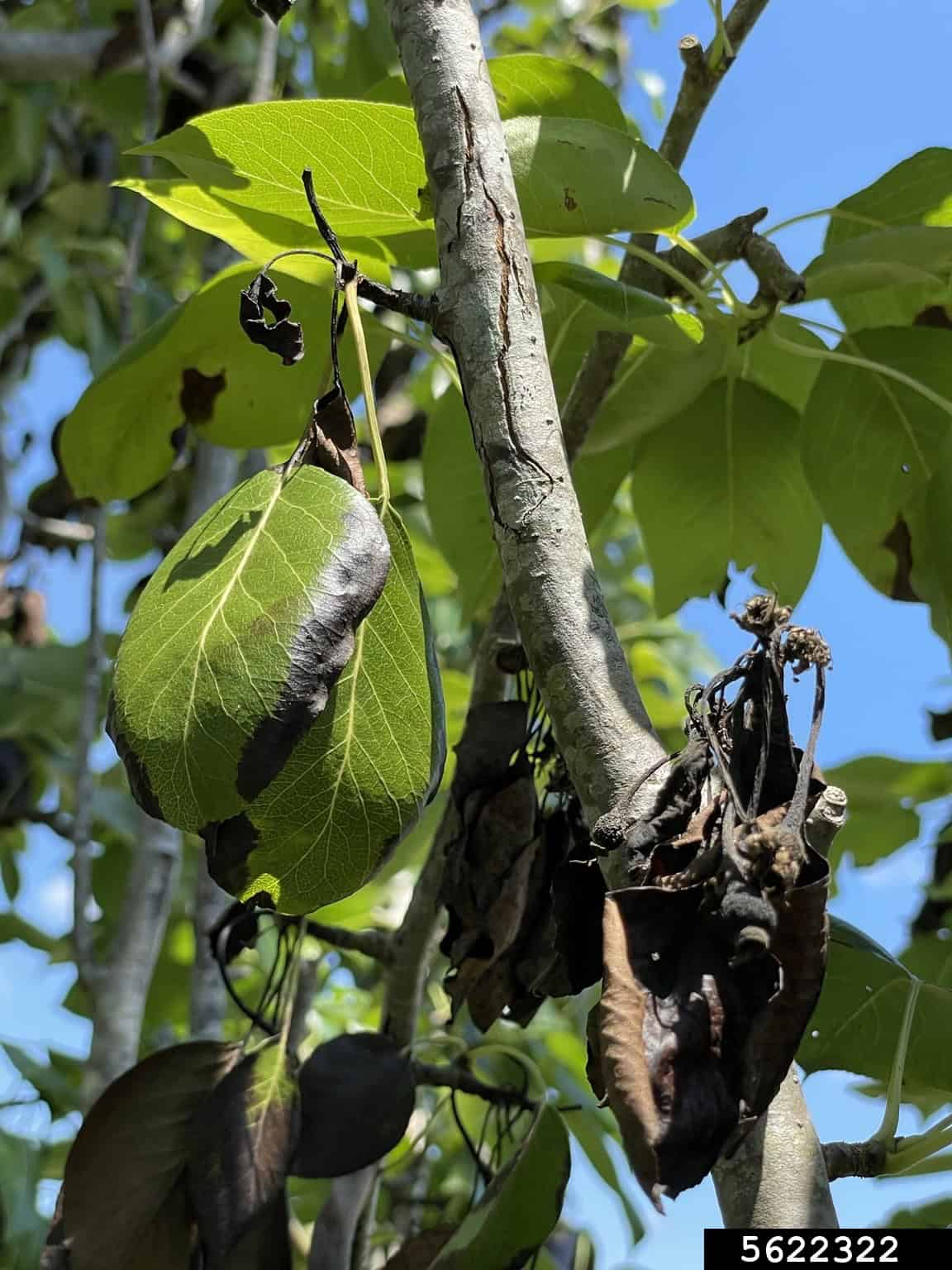
Organic Fire Blight Management in the Western U.S.
Fire blight outbreaks occur frequently, especially in the Pacific Northwest, impacting yields and necessitating…