Project Overview
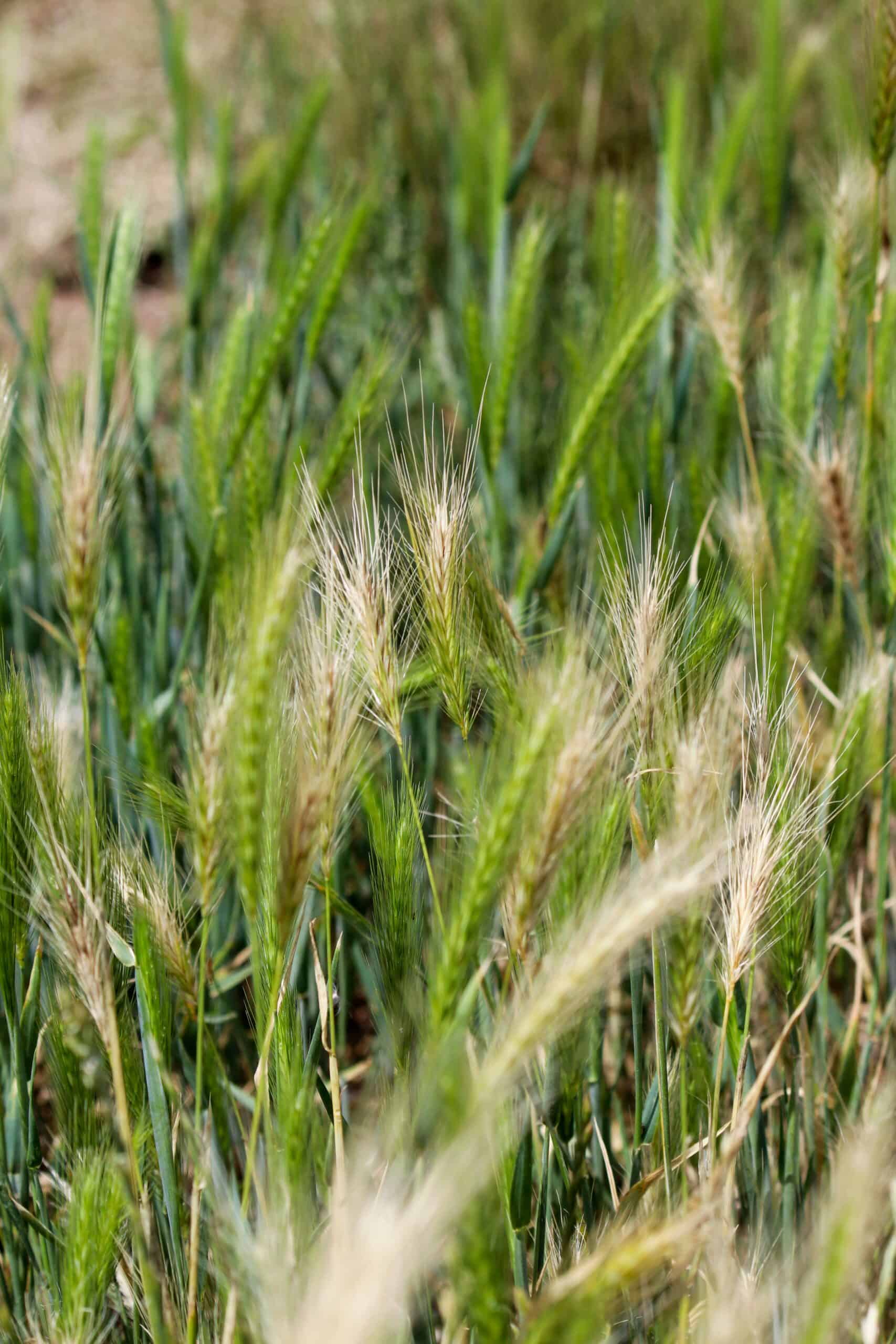
While a variety of species are used as cover crops, cereal species (such as cereal rye, winter wheat, oats, and triticale) are among the most popular across U.S. cropping systems, due to their predictable agronomic characteristics, high biomass production, and weed-suppressive capabilities. Despite the prevalence of cereal cover crops, little research has been done to differentiate the effects of different cereal species. Understanding the unique attributes of different cereal species could promote better management decisions.
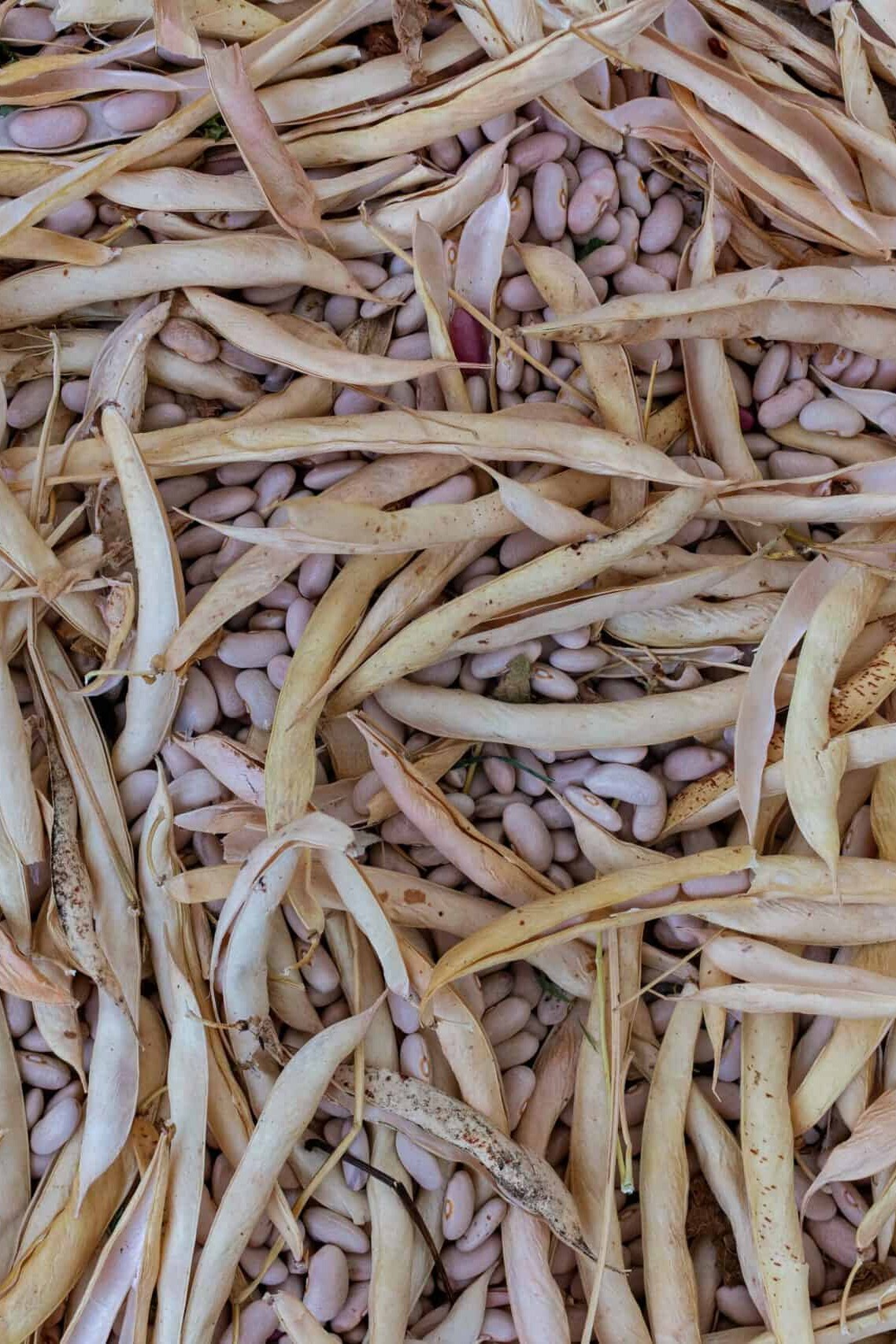
To better understand how different cereal grass species perform as weed-suppressing cover crops, researchers in Idaho established a series of field experiments evaluating wheat, barley, and triticale as winter cover crops in an organic and conventional specialty dry bean cropping system.
Farmer Takeaways
- Winter wheat, triticale, and barley cover crops can provide high weed suppression in organic and conventional dry bean production systems without reducing dry bean yields.
- Beyond weed suppression, cereal cover crops can increase soil carbon and microbial biomass, thereby improving short- and long-term soil health.
- Cover cropping with cereals can be a profitable management practice for dry bean production systems, particularly if cover crops are cut/harvested for forage.
Project Objectives and Approach
Compare biomass production, weed control, and profitability of different cereal cover crops in organic and conventional dry bean cropping systems
- Beginning in 2022, researchers at the University of Idaho established field experiments where barley, triticale, and winter wheat were planted in split-plot randomized complete block trials. All cover crops were direct-seeded in October of each year at a rate of 100 lbs/acre and terminated in the spring within two weeks of dry bean planting.
-
- Field experiments included a conventional trial, where cover crops were terminated either via spraying (with several types of synthetic herbicides) or via haying, as well as an organic trial, where cover crops were terminated exclusively via haying (cut/harvested for forage).
-
- In both trials, researchers assessed the effects of cover cropping on a following dry bean crop. Data were collected on weed biomass (~5 weeks after dry bean planting), dry bean stand density, and yield. An economic analysis was conducted to determine the profitability of each cover crop.
Evaluate the short-term impacts of cereal cover crop species on soil carbon and soil health
- Researchers collected soil samples from both trials (conventional and organic) to evaluate the short-term effects of each cover crop on soil health. These samples were collected before cover crop planting and after cover crop termination.
-
- All soil samples were sent to a commercial lab and analyzed for soil labile carbon, chemical and biological indicators, and microbial community structure.
-
Key Findings
Winter wheat, triticale, and barley all represent useful cover crop species in dry bean production systems
- All three cereal cover crop species provided immediate weed suppression benefits when grown as a winter cover between dry bean cash crops. Regardless of termination method (spraying vs. haying), all three cover crops reduced total weed biomass in the following dry bean crop, by 60-80% compared to controls. These findings suggest that winter wheat, triticale, and barley cover crops can provide high weed suppression in organic and conventional dry bean production systems.
- Cover crops reduced dry bean emergence in certain study locations but did not reduce dry bean yield. In the organic trial, dry bean stand density and seed yield were similar across treatments.
- Cover crop biomass varied across study sites, but on average, triticale was the most abundant, producing up to 28% more biomass than the other two cereal cover crop species.
Cereal cover crop species have the potential to build soil health and contribute to farm profitability
- In the organic trial, winter wheat and triticale resulted in moderate increases in microbial biomass (16% and 18%, respectively), whereas barley reduced microbial biomass (-31%).
- In the conventional trial, cover cropping tended to increase profits in the following dry bean crop.
- Terminating cover crops via haying tended to be more profitable than spraying, since the hayed cover crop could generate revenue.
- Additional long-term research is needed to substantiate the complex soil health and economic benefits demonstrated in this two-year study.
Resources
Cereal Cover Crops for Weed Control in Organic and Conventional Dry Bean Production Systems - Final Report for GW23-250. (2025). Sustainable Agriculture Research and Education (SARE) Projects.
Read MoreLocation
IdahoCollaborators
Prayusha Bhattarai, University of Idaho
Region
Northwest
Topic
Soil Health, Weed Management, Cropping Systems
Year Published
2025