Project Overview
Agricultural systems contribute to climate change through emissions of the greenhouse gasses carbon dioxide (CO2), nitrous oxide (N2O), and methane (CH4). In particular, the production of synthetic fertilizers and pesticides result in high greenhouse gas (GHG) emissions. Organic systems are prohibited from using these synthetic products and rely on plant and animal inputs to build soil health and crop productivity. Cotton production is well-suited to Texas but conventional cotton ranks third in the US for amount of pesticides applied annually. There is an opportunity to increase the amount of organic cotton being grown due to a growing interest in organic fibers for clothing and home furnishings. This study evaluated three cover crop species as monocultures and all three in a mixture prior to organic cotton, and the resulting effects on soil emissions of CO2, N2O, and CH4 as well as soil moisture and temperature, over three years in east central Texas.
Farmer Takeaways
- During active growth, cover crop monocultures had significantly lower CO2 emissions than the cover crop mixture.
- All cover crops reduced N2O emissions compared to no cover crop fallow.
- Cover crops tended to deplete soil moisture during their growing period, but leaving cover crop residues on the soil surface during the cotton growing season helped retain soil moisture.
- Weed pressure and drought can neutralize the effect of cover crops on emissions.
Project Objectives and Approach
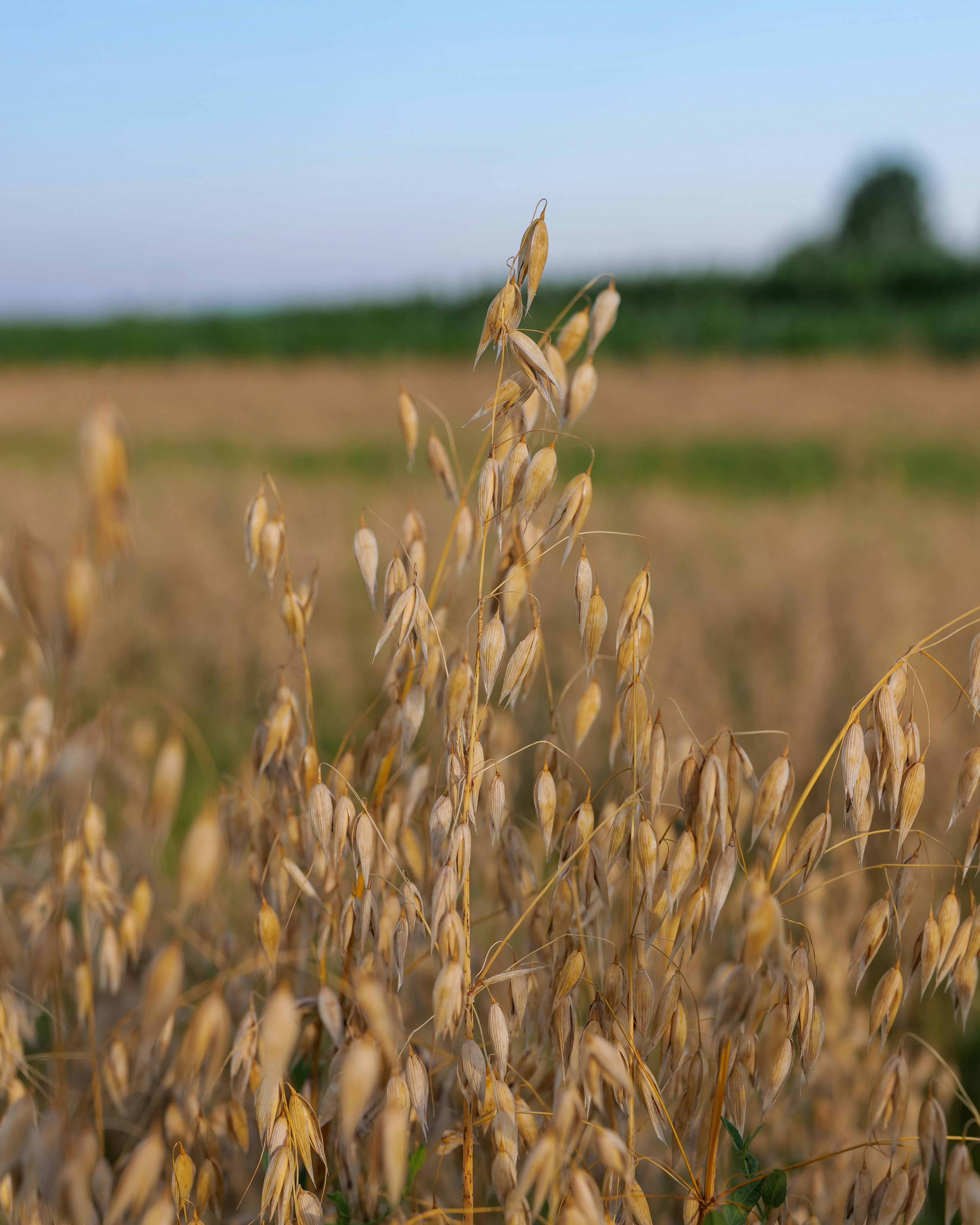
Compare the effects of oat (Avena sativa L.), Austrian winter pea (Pisum sativum L.), and turnip (Brassica rapa subsp. rapa) cover crop monocultures, a mixture of all three, and a fallow control on soil CO2, N2O, and CH4 emissions.
- Field experiments were conducted over three years at the Texas A&M University Research Farm in the east central Texas region. The three years coincided with the three-year transition to organic period.
- Treatments were applied using a randomized complete block design with four replications. Treatments included cover crop monocultures of Austrian winter pea, turnip, and oats; a mixture of all three cover crops, and a fallow control.
- Prior to cotton planting, cover crops were roll-crimped and poultry litter was applied across all treatments at a rate of 250 kg N/ha and incorporated by disking.
- Cover crop biomass was collected a few days before roller crimping to determine cover crop biomass yield. After biomass samples were dried and weighed, they were ground and sieved to determine cover crop C and N composition.
- Soil emissions of CO2, N2O, and CH4 were measured weekly using static gas chambers installed between cotton rows.
Evaluate soil moisture and temperature dynamics and their effect on greenhouse gas emissions.
- Soil water content and temperature were measured using reflectometer sensors which were installed 5-17 cm into the soil and approximately 15 cm away from the gas chambers. Sensors were programmed to measure water and temperature at 30 minute and daily intervals.
Key Findings
During the first year of organic transition, cover crop monocultures had 34-40% lower CO2 emissions compared to the cover crop mixture.
- The cover crop mixture produced more biomass and had a lower C:N, likely increasing soil microbe activity and therefore greater soil respiration.
- CO2 fluxes tended to be low early in the cover crop growth phase but increased near the end.
- All treatments saw higher CO2 fluxes approximately two weeks after poultry litter application due to soil disturbance at incorporation and mineralization of the amendment..
- No differences in CO2 emissions were observed among treatments during the cotton growing phase.
Cover crops, regardless of species, reduced N2O emissions by 53-77% compared to the fallow control.
- Cover crop treatments had much lower weed pressure than the fallow control, and this weed biomass in the control was incorporated into the soil with multiple tillage passes during the season.
- All treatments saw higher N2O fluxes approximately two weeks after poultry litter application due to soil disturbance at incorporation and mineralization of the amendment.
- N2O emissions increased in the fallow control and turnip cover crop after a heavy rain, likely caused by increased denitrification.
All treatments acted as a CH4 sink rather than source.
- While emissions or uptake of CH4 did vary at points in time, this was highly variable and cumulative values did not differ between treatments in both the cover crop and cotton growing phases.
The cover crop growing phase reduced soil moisture, but their residues helped retain moisture during the cotton growing phase.
- Soil moisture during the cover crop growing phase was highest in the fallow control > oats > turnip > Austrian winter pea and cover crop mix.
- During the cotton growing phase, plots that had been in the cover crop mixture had higher soil moisture, particularly during periods of drought.
The cover crop mixture and Austrian winter pea cover crop reduced soil temperature fluctuations compared to the fallow control.
- During the cover crop growing phase, the cover crop mixture and Austrian winter pea cover crop treatments had more stable soil temperatures, particularly during periods with very high or low air temperatures.
- No soil temperature differences were observed between treatments during the cotton growing phase.
Resources
Salehin, S.M.U., Rajan, N., Mowrer, J., Casey, K.D., Tomlinson, P., Somenahally, A., & Bagavathiannan, M. (2025). Cover crops in organic cotton influence greenhouse gas emissions and soil microclimate. Agronomy Journal, 117(1), e21735.
Read MoreLocation
TexasCollaborators
Nithya Rajan, Texas A&M University
Jake Mowrer, Texas A&M University
Kenneth Casey, Texas A&M AgriLife Research
Peter Tomlinson, Kansas State University
Anil Somenahally, Texas A&M AgriLife Research
Muthu Bagavathiannan, Texas A&M University
Region
West/Southwest
Topic
Soil Health, Climate Solutions
Category
Grain and Field Crops
Year Published
2024