Development and Evaluation of Biologically-Integrated Conservation Tillage Systems for Organic Vegetable Production
John Luna, Oregon State University
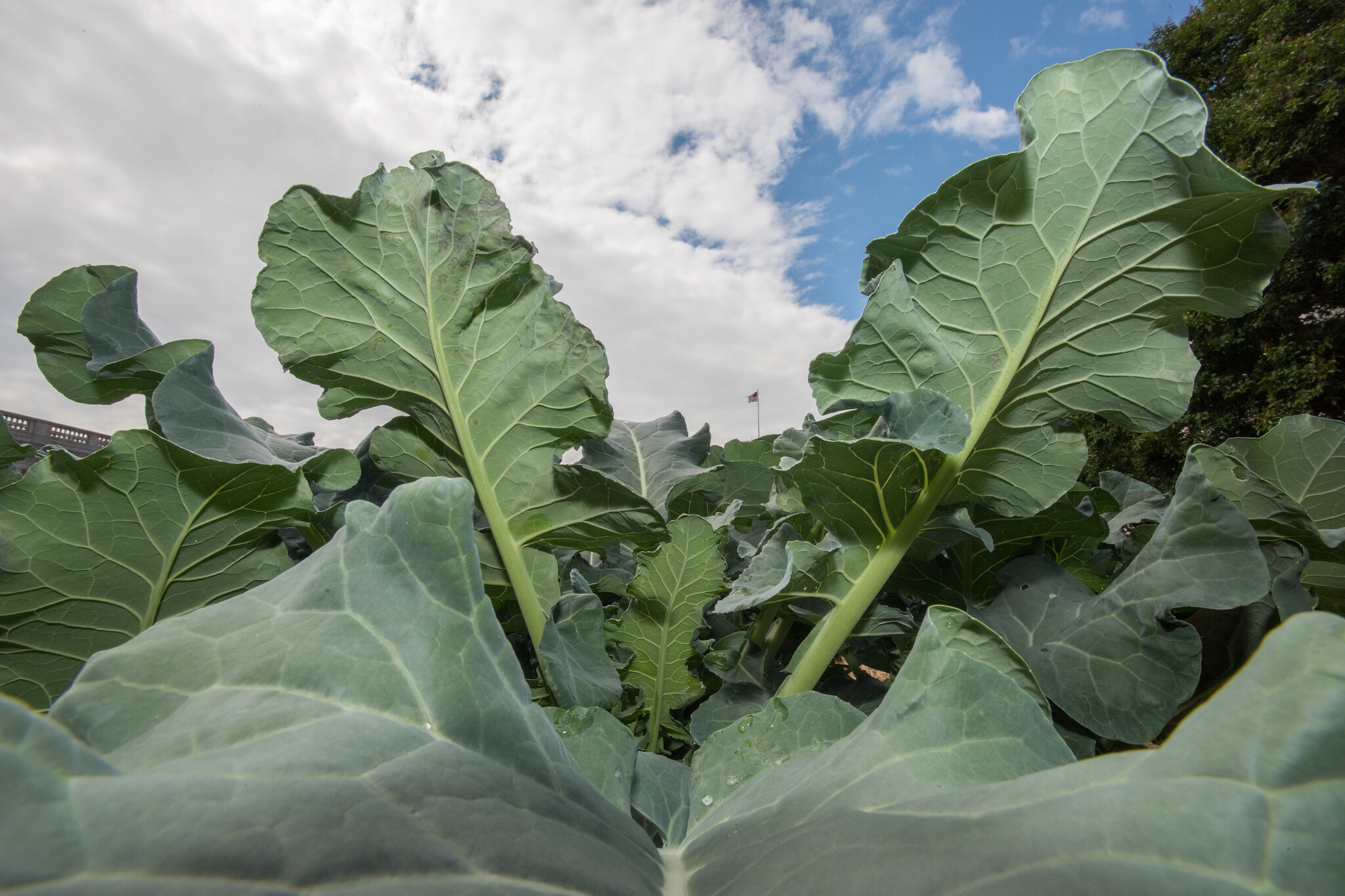
The development of environmentally sound and profitable farming systems aims to prevent soil degradation and erosion while enhancing soil quality through organic matter management. In the Willamette Valley, conventional tillage for vegetable production involves 5-8 field passes. Over the past four years, an integrated vegetable production system utilizing winter cover crops and rotary strip-tillage has been developed. This strip-till system requires only one pass and tills approximately 30% of the soil. Trials conducted in 1997-1998 showed an average profit increase of about $50 per acre for sweet corn growers using this method compared to standard practices, although herbicides were used to manage cover crops and weeds. This study evaluates the feasibility of strip-till vegetable production in organic systems without herbicides.
Cover crop biomass showed barley produced more than double that of triticale, while vetch and phacelia had similar biomass levels. Vetch contributed the most nitrogen, exceeding 70 kg N/ha. Soil nitrate levels ranged from 6.7 to 9.5 ppm, consistent with previous findings in conventional broccoli production. Conventional tillage (CT) exhibited higher soil nitrate levels in the broccoli row, particularly with barley cover crops.
Broccoli leaf nitrogen content ranged from 3.6% to 5.2%, with CT showing higher levels than strip-till (ST) treatments. While the total number of usable broccoli heads was similar across treatments, CT yielded nearly one ton/ha more than ST, with a greater proportion of No.1 grade heads.
Weed density was higher in CT plots compared to ST, with specific weeds like purslane and hairy nightshade more abundant despite repeated cultivations in CT. The reduced tillage in ST likely lowered weed germination, though annual bluegrass persisted.
Flea beetle abundance was significantly higher in CT plots, causing noticeable leaf damage, but beetles vanished after early summer. There were no notable treatment effects on pest or beneficial insect populations throughout the growing season, nor was there significant contamination of broccoli heads by insects.
Overall findings indicate the potential benefits of integrating biologically-based conservation tillage practices in organic vegetable production.
Region
Northwest
Topic
Weed Management, Cropping Systems
Category
Vegetables/Fruits
Date Range
2000 and earlier
Funding Amount
$4,825
Funding Year
1999Location
Corvallis, Oregon
Collaborators
Mary Staben, Oregon State University