Project Overview
Grazing plays an important role in milk production systems, especially organic dairies, which require at least 120 grazing days per year for lactating cows and replacement heifers. However, ensuring sufficient dry matter intake (DMI) in grazing dairy cows remains a challenge for organic producers, with organic dairies often observing lower milk production than conventional dairies.
Increasing dry matter intake and improving feed efficiency (the relative ability of a cow to convert feed into growth or milk) is increasingly important in pasture-based dairy systems. Existing research suggests that certain dairy cow breeds may be more efficient grazers than others, and that introducing legumes into grass pastures can improve forage nutritive value and cattle performance.
This study, conducted by researchers at Utah State University, evaluated the impacts of dairy cow breed and pasture type on dry matter intake and feed efficiency in organic heifers.
Farmer Takeaways
- Dry matter intake (DMI) was higher in the grass-legume pasture treatment than in the grass-only pasture treatment for all dairy cow breeds, suggesting that all breeds were equally well-adapted to low- and high-quality pastures.
- Of the dairy cow breeds assessed, Jersey cows tended to have the highest feed conversion efficiency (FCE), although comparison between breeds using FCE may have its limitations due to inherent differences in body sizes.
- On average, heifers on grass-only pastures were more efficient in converting DMI to body weight gain than those on grass-legume pastures.
Project Objectives and Approach
Evaluate the impacts of dairy cow breed and pasture type (grass-only vs. grass-legume mixtures) on dry matter intake and feed efficiency in organic heifers
- A 3-year experiment was conducted at the Utah State University Intermountain Pasture Research Farm (Lewiston, UT).
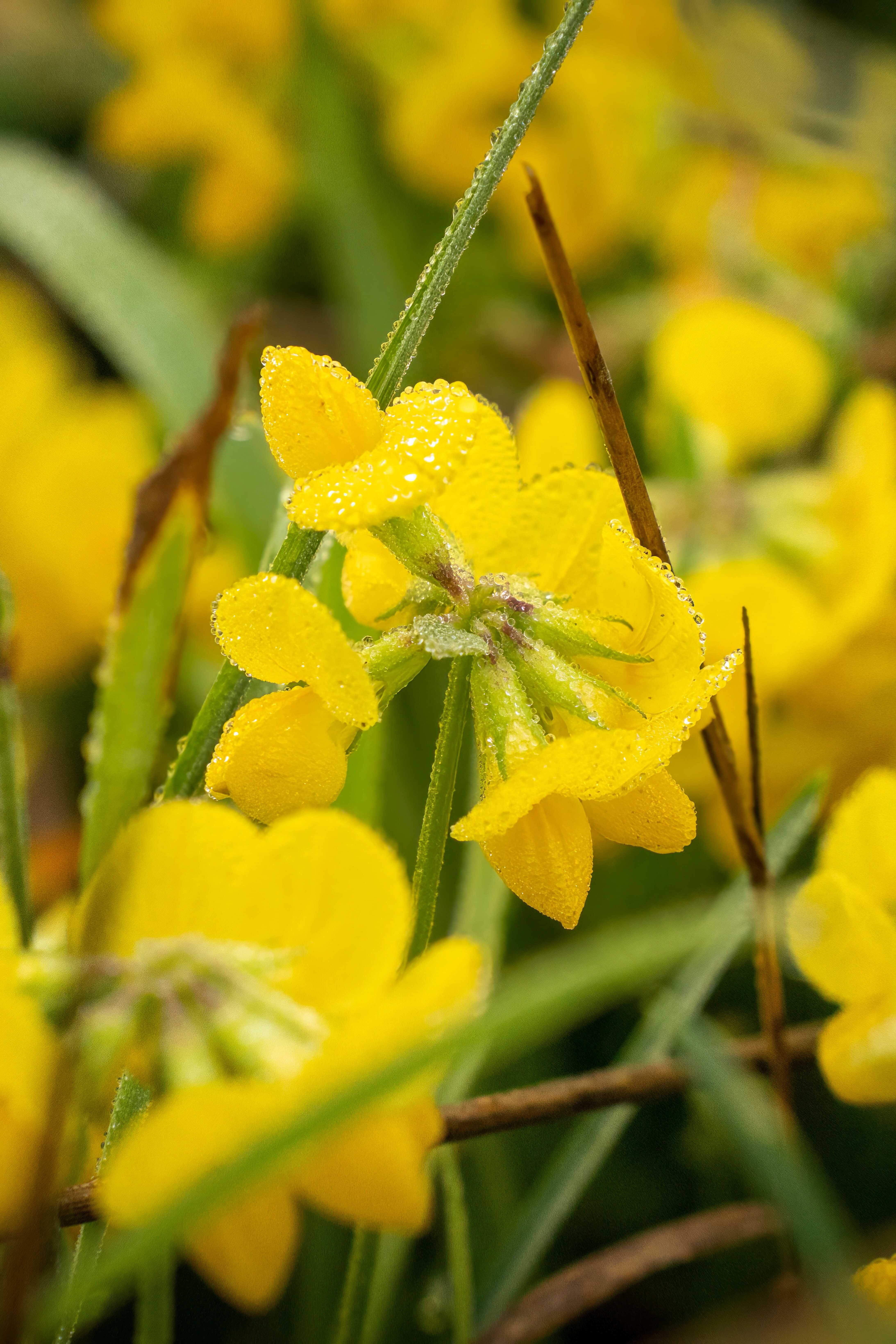
- Pasture treatments included: (1) a grass-only pasture, containing four grass species: tall fescue, meadow bromegrass, high-sugar orchardgrass, and high-sugar perennial ryegrass; and (2) a grass-legume pasture, containing binary mixtures of birdsfoot trefoil (a non-bloating legume) and the four aforementioned grass species.
-
- All pastures had been managed using organic dairy protocols since 2015, so no treatments received any synthetic fertilizers or pesticides. Pastures received organic nitrogen in the form of Chilean nitrate (2019) and feather-, meat- and bloodmeal (2020 and 2021), and were sprinkler-irrigated every 14 days from mid-May to September.
-
- Dairy cow treatments included: (1) Jersey, (2) Holstein, (3) Holstein-Jersey crossbreds, and (4) 3-breed rotational crossbreds of Montbeliarde/Viking Red/Holstein.
- Grazing was initiated on the same calendar date for all treatments, when grasses reached ~25cm in height. A fixed stocking rate of 4 heifers/pasture was used throughout the study, with the objective of ensuring excess herbage.
-
- Pastures were established for each pasture type x breed combination, and each pasture was subdivided into 10 paddocks.
- Each paddock was grazed for 3.5 days, then allowed to rest for 31.5 days (full rotation cycle of 35 days). Three complete rotation cycles took place per year.
-
- Pre- and post-grazing herbage samples were collected/weighed, and standing sward heights were measured.
- All heifers were individually weighed at the beginning of the study and again after each 35-day grazing rotation cycle to determine body weight (BW) and average daily gain (ADG).
- Dry matter intake (DMI) was calculated, and feed conversion efficiency (FCE) was estimated as the ratio of weight gain to dry matter intake.
Key Findings
Herbage Utilization, Dry Matter Intake, and Grazing Rate
- Herbage utilization (the proportion of forage removed by cattle via grazing, relative to total available forage) did not differ by pasture type, but did differ by breed, with the 2 crossbreds utilizing slightly greater percentages of available pasture (47.7% on average) than either the Holsteins (46.1%) or Jerseys (44.9%).
- On average, dry matter intake (DMI) and grazing rate in the grass-legume pasture treatment were greater than in the grass-only pasture treatment.
-
- DMI and grazing rate were highest in Holsteins, intermediate in the two crossbreds, and lowest in Jerseys. **Note: When DMI was standardized per 100kg body weight (to account for breed-specific differences in size and growth requirements), Jersey cows ranked highest, indicating that Jersey cows consume more as a percentage of their body weight.
- Grazing rate tended to be greatest during the first 24 hours after entering a new paddock.
-
Feed Conversion Efficiency
- In grass-only pastures, Jersey cows were the most efficient dairy cow breed (had the highest feed conversion efficiency). In grass-legume pastures, Jersey cows were more efficient than either crossbred, but did not differ significantly from Holstein cows. These results suggest that – despite a lower grazing rate and herbage utilization – Jersey cows may be more efficient at converting grazed forage into body weight gains.
- On average, heifers on grass-only pastures were more efficient in converting DMI to body weight gain than those on grass-legume pastures.
Resources
Greenland, M. S., Waldron, B. L., Isom, S. C., Fonnesbeck, S. D., Peel, M. D., Rood, K. A., Thornton, K. J., Miller, R. L., Hadfield, J. A., Henderson, B., & Creech, J. E. (2023). Dry matter intake and feed efficiency of heifers from 4 dairy breed types grazing organic grass and grass-birdsfoot trefoil mixed pastures. Journal of Dairy Science, 106(6), 3918–3931.
Read MoreLocation
UtahCollaborators
Michael Greenland, Utah State University
Clay Isom, Utah State University
Sawyer Fonnesbeck, Utah State University
Michael Peel, USDA Agricultural Research Service
Kerry Rood, Utah State University
Kara Thornton, Utah State University
Rhonda Miller, Utah State University
Jacob Hadfield, Utah State University
Bracken Henderson, University of Idaho Extension
Earl Creech, Utah State University
Region
West/Southwest
Topic
Livestock Feeding
Year Published
2023