Project Overview
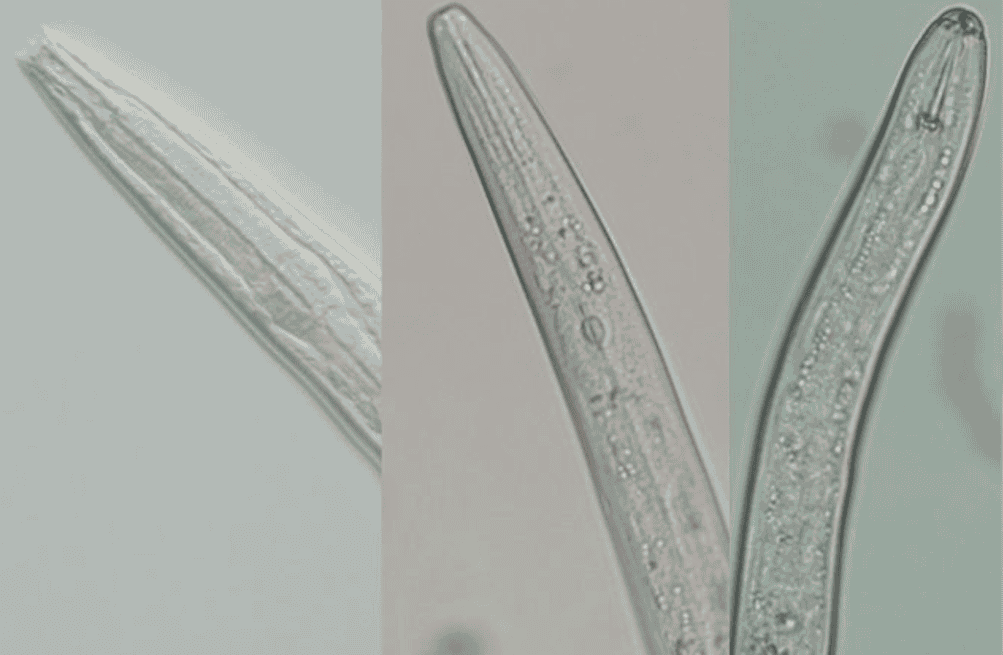
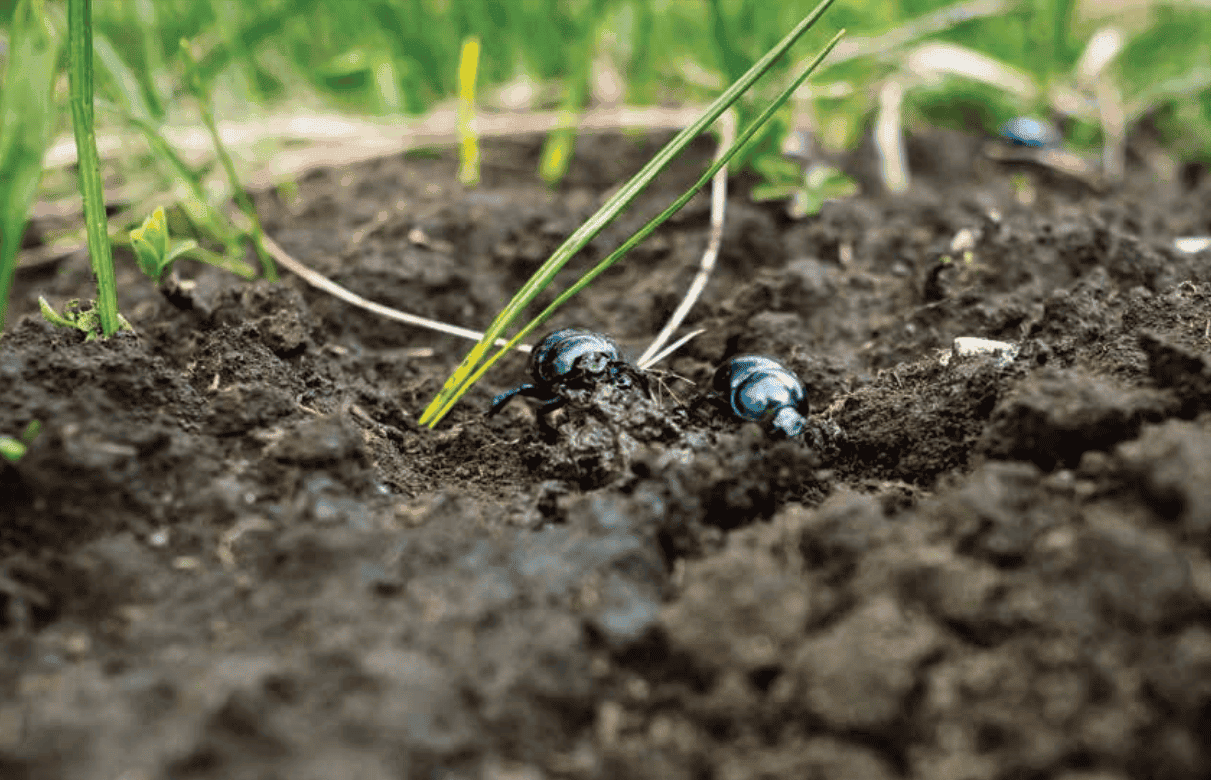
Nematodes are an important, yet frequently misunderstood, component of healthy, living soils. They can play a multitude of roles in the complex soil food web; while plant-parasitic nematodes can cause damage to crops, free-living nematodes are generally desirable, increasing crop productivity and enhancing soil nutrient cycling.
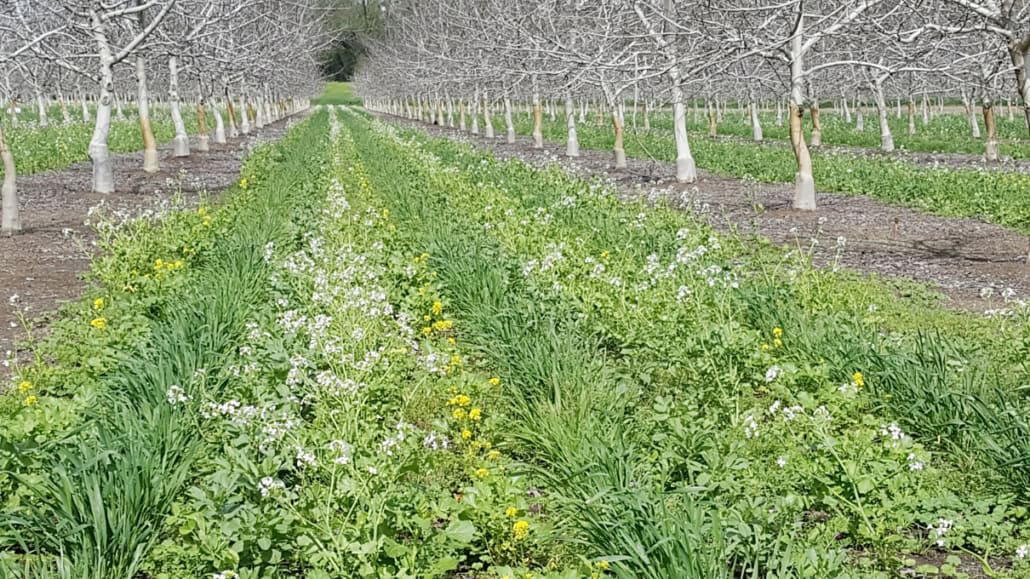
Understanding nematode diversity can help farmers make strategic management decisions that preserve beneficial nematode populations and their affiliated soil health benefits. In this study, nematode communities were evaluated in soil samples collected from Colorado orchards and vineyards, with the goal of better understanding how crop type and management practices influence natural soil nematode communities. Nematode communities were compared across multiple orchard and vineyard systems, as well as in conventional and organic orchard research plots.
Farmer Takeaways
- Soil nematode community structure varied across the different orchard/vineyard production systems, with certain crop types fostering more species/genera of plant-parasitic nematodes. Certain fruit crops (i.e., prunes, plums) may be at a higher risk for damage by plant-parasitic nematode species.
- In general, peach and apple orchard soils under organic management supported larger nematode populations (both plant-parasitic and free-living) and greater soil biodiversity than soils under conventional management.
- Management practice (organic vs. conventional) and fruit crop type can influence soil nematode community composition/size.
Project Objectives and Approach
Assess soil nematode populations (plant-parasitic and beneficial) in different orchard and vineyard cropping systems across western Colorado
- Researchers collected soil samples from 18 sites across western Colorado, spanning eight different orchard/vineyard production systems, including peach, cherry, apple, prune, apricot, and pear orchards, and several grape vineyards.
-
- At each site, a minimum of 10 soil cores were collected to a depth of 16″ and combined into a single composite soil sample.
-
- Nematodes were harvested from each soil sample. Plant-parasitic and beneficial (free-living) nematodes were identified by genus and counted under a microscope.
Understand the impact of organic and conventional production practices on soil nematode communities in peach and apple orchards
- Nematode communities were monitored in mature peach and apple research plots under conventional or organic management.
-
- Organic treatments were maintained with poultry litter fertilizer and mechanical weed management, whereas conventional treatments received mineral fertilizer, with herbicides and mowing for weed control.
-
- Soil samples were collected from each orchard treatment, and nematodes (plant-parasitic and free-living) were identified/counted.
Key Findings
Nematode community structure varied across the different orchard/vineyard production systems, with certain crop types fostering higher levels of plant-parasitic nematodes
- Across the different fruit production systems, 16 distinct taxonomic genera of plant-parasitic nematodes were identified in soils.
- The number of plant-parasitic nematode genera in soils varied by crop type, with plums, prunes, and apricots fostering the largest number (11 genera), and apples fostering the lowest number (7 genera). Overall, prunes had the highest total population of plant-parasitic nematodes.
-
- These findings indicate that crop type in orchards/vineyards may influence soil nematode populations, and that certain fruit crops (i.e., prunes, plums) may be at a higher risk for damage by plant-parasitic nematode species. Preventative management practices can be taken by farmers producing these higher-risk fruit crops to mitigate crop damage.
-
- Dagger, root lesion, and root knot nematodes (three common classifications of plant-parasitic nematodes) were common across nearly all soil samples.
-
- Some nematodes, such as ring nematodes, were found at low levels across all fruit crops, while several nematode genera were unique to particular host species.
-
Peach and apple orchard soils under organic management contained larger nematode populations and greater soil biodiversity
Peach Orchards:
- A total of 24 nematode genera were identified in soils collected from peach orchard research plots. Of these 24 genera, 17 were present in conventional plots and 23 were present in organic plots.
- Total nematode abundance tended to be significantly higher in organic soils than in conventional soils. This observation was true for both plant-parasitic and free-living nematode genera.
-
- These findings indicate that organic peach orchard management practices support significantly larger soil nematode populations (both beneficial and detrimental), along with greater nematode community diversity. Additional research is needed to understand whether these differences in soil nematode community composition/size translate to overall benefits or drawbacks for the crop.
-
Apple Orchards:
- A total of 32 nematode genera were identified in soils collected from apple orchard research plots. Of these 32 genera, 23 were present in conventional plots and 27 were present in organic plots.
- Total nematode abundance tended to be numerically higher in organic soils than in conventional soils, although this difference was not statistically significant for plant-parasitic nematodes. In other words, organic management practices in apple orchards increased the abundance of certain soil nematode populations (including several genera of beneficial, free-living nematodes), but did not significantly increase the abundance of plant-parasitic nematodes.
-
- These findings suggest that both management practice (organic vs. conventional) and crop type can influence soil nematode community composition/size.
-
Resources
Pokharel, R., Marahatta, S. P., Handoo, Z. A., & Chitwood, D. J. (2015). Nematode community structures in different deciduous tree fruits and grape in Colorado, USA and impact of organic peach and apple production practices. European Journal of Soil Biology, 67, 59–68.
Read MoreLocation
ColoradoCollaborators
Sharad Marahatta, University of Hawaii
Zafar Handoo, USDA Agricultural Research Service
David Chitwood, USDA Agricultural Research Service
Region
Plains
Topic
Soil Health, Insect/Pest Management, Cropping Systems
Year Published
2015