OFRF Farmer-Led Trials: Comparing a Living Clover Mulch to Landscape Fabric in Organic Strawberry Production
Mike Lucas and Rollin Baker, Farmacea
Farm Trial Overview
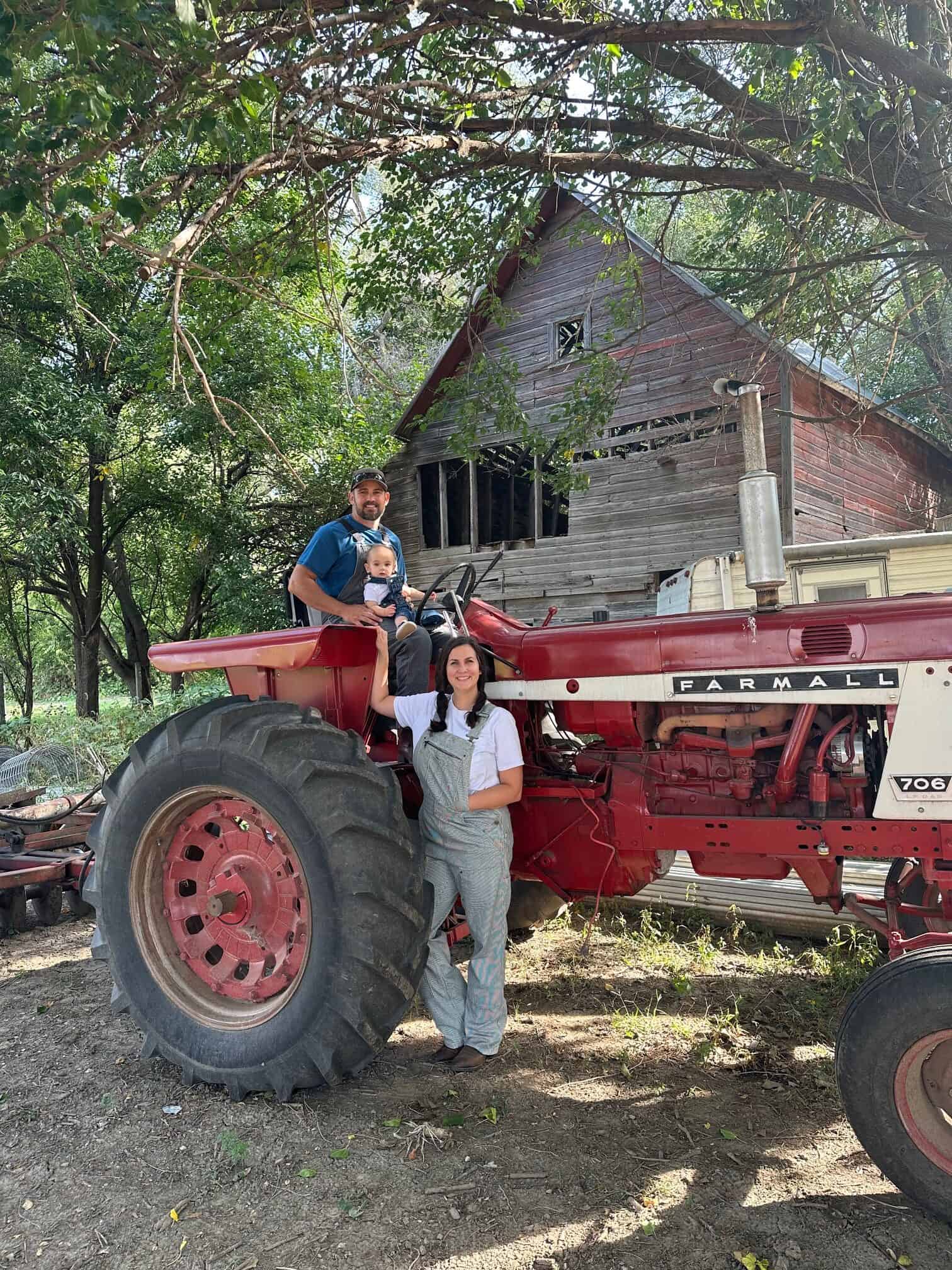
Farmacea sits on 31 acres in Munith, Michigan, land that had been dedicated to conventional corn production for decades. Run by Mike Lucas and Rollin Baker, the farm has spent the past two years converting roughly 2 acres into arable, organically managed ground, incorporating leaf mold and other organic materials to rebuild soil quality.
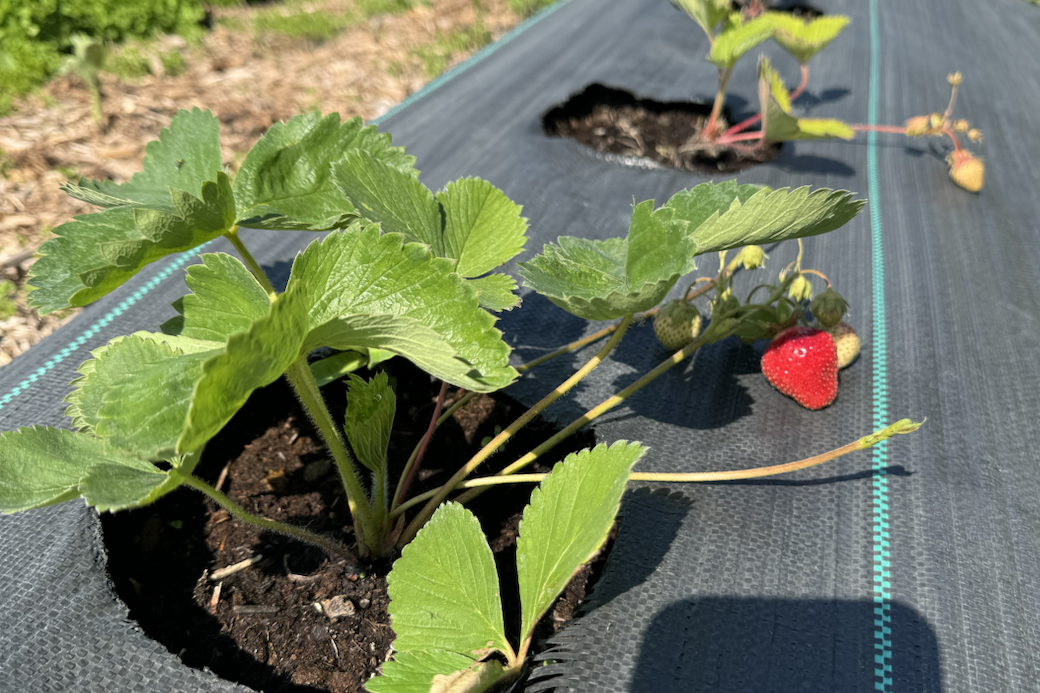
The duo were interested in moving away from plastic mulch for several reasons: reducing reliance on nonrenewable, petroleum-based materials, preventing microplastic buildup in their soil, and cutting down on manual weeding labor over time. They were interested in two alternatives to plastic: 1. landscape fabric, and 2. utilizing a living mulch of white Dutch clover (Trifolium repens). They set out to compare the two systems, and find one that could suppress weeds, build soil structure, and reduce the farm’s plastic footprint, provided it didn’t come at too steep a cost to yield.
For full details on the study’s methodology and results, read the final report linked here.
Funding Amount
$1,500
Funding Year
2025Location
Munith, Michigan
Collaborators
Organic Farming Research Foundation
Key Findings
- Compared to white clover, the landscape fabric produced dramatically higher average yields (239 vs. 34 berries/plot, respectively), and was also easier to manage due to more upright plants, lower pest pressure, and minimal rot.
- Clover living mulch increased the need for weeding and harvest labor, invited slug pressure, and led to more rotten berries.
- The clover established well, but competed with the strawberries in the low growing canopy. A different cash crop with a more upright growth habit may be a better match for a white clover mulch system.
Region
Midwest
Topic
Weed Management, Cropping Systems
Year Published
2026