OFRF Farmer-Led Trials: The Impact of Seeding Rate on Cover Crop Performance
Anthony Reyes, Oxbow Farm and Conservation Center
Farm Trial Overview
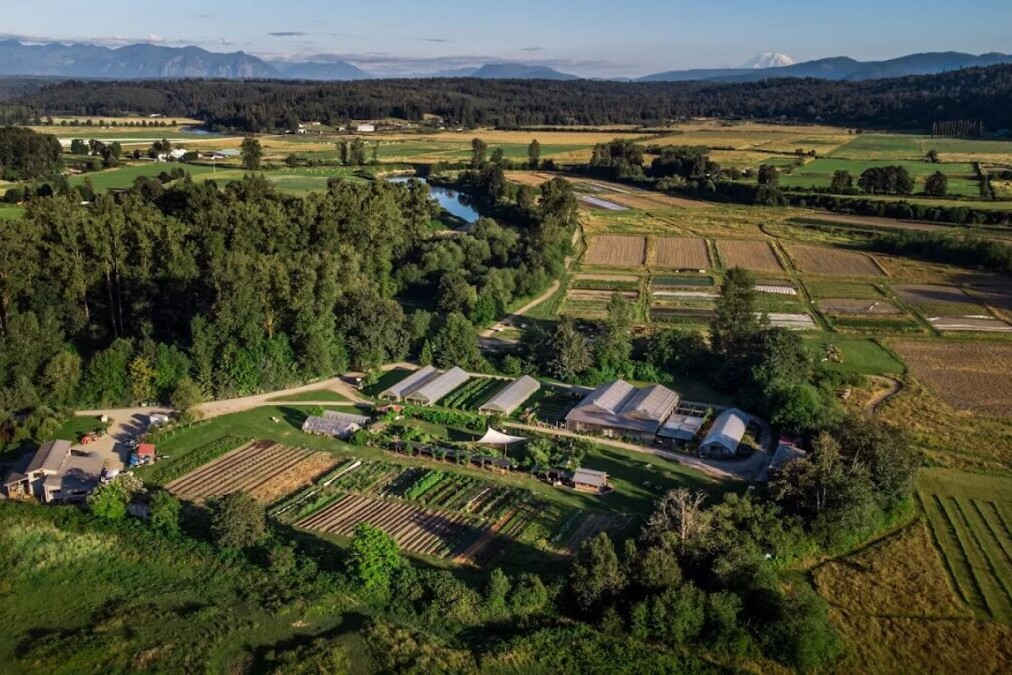
The Oxbow Farm and Conservation Center is a nonprofit farm in the floodplains of Snoqualmie Valley, Washington. Anthony Reyes, the Agricultural Program Manager, manages 81 acres of certified organic land by experimenting and trialing climate adaptive and resilient agricultural practices.
For this Famer-Led Trial project, Anthony wanted to find a cover crop that would meet the needs of the farm – managing climatic challenges, erosion, and weed pressure. Ideally, anything that would be planted would help add biomass and could withstand drought conditions. In addition to testing a few new cover crops, Anthony was interested in manipulating the seeding rate of the cover crops to achieve better soil cover, and was curious to know if the recommended seeding rate was adequate for their soil and growing conditions.
The farm trial investigated the performance of three cover crops at two seeding rates: German Foxtail Millet, Pearl Millet, and Sudex were chosen as cover crops that would be drought tolerant and help with weed suppression, while also adding biomass. Each of these crops were seeded at 100% and 125% of the recommended seeding rate.
For full details on the study’s methodology and results, check out the OFRF Farmer Led Trials Blog, or read the final report linked here.
Funding Amount
$1,500
Funding Year
2025Location
Carnation, Washington
Collaborators
Organic Farming Research Foundation
Key Findings
- German Foxtail Millet and Sudex were identified as high yielding cover crops in this trial. There
was an early season drought, which likely affected the cover crops, especially Pearl Millet. - Sudex demonstrated the most vigor and produced more tillers, while the German Foxtail Millet
was shorter and more upright, and did not form a closed canopy. - Under these conditions, higher seeding rates were unnecessary, as the 125% rate offered no yield benefit and diluted nitrogen concentration, making the standard 100% rate more cost-effective.
Region
Northwest
Topic
Soil Health, Weed Management, Cropping Systems
Year Published
2026