Project Overview
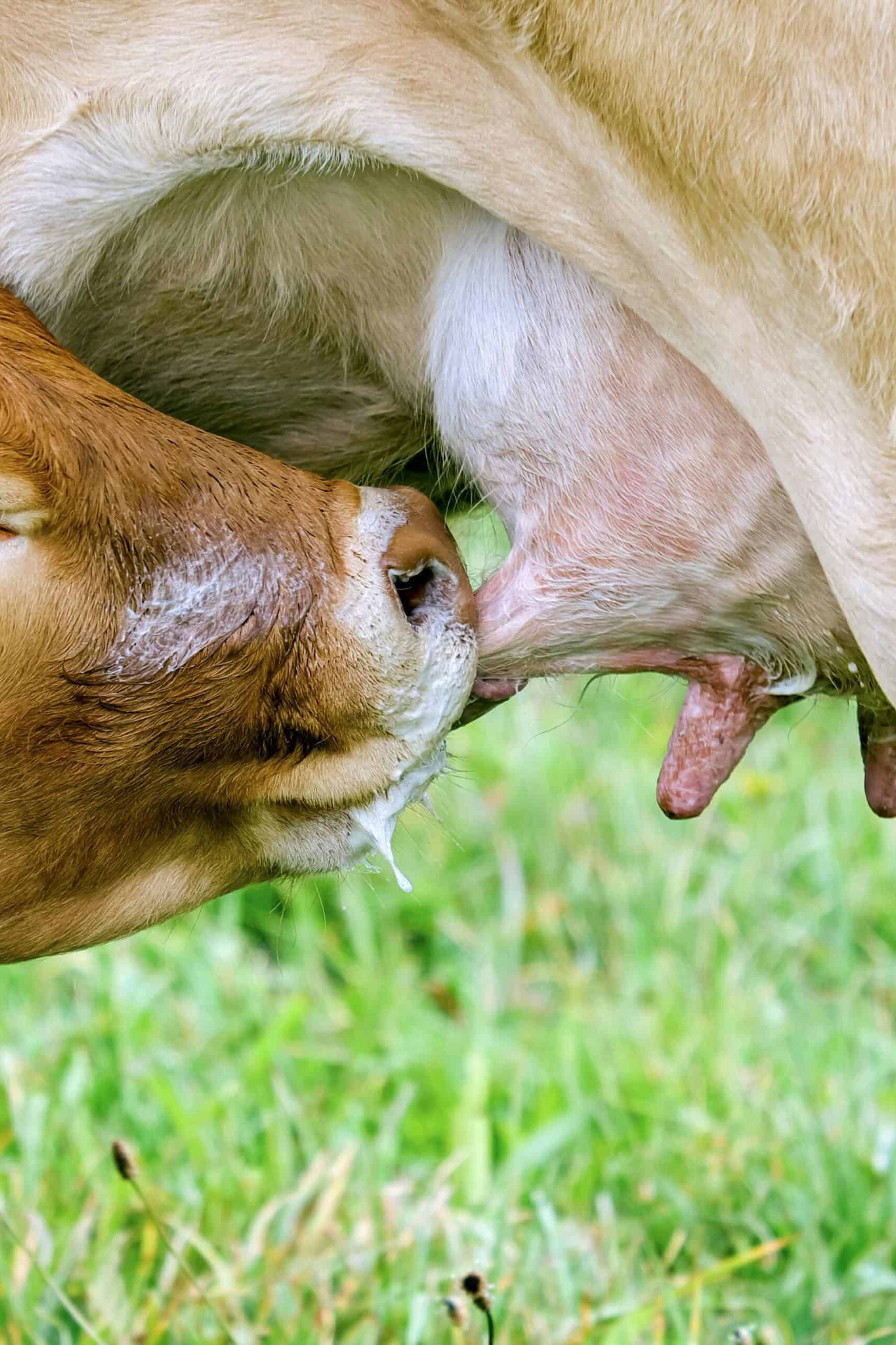
Colostrum is the nutrient-dense first milk produced by a cow in the first days after giving birth. Colostrum is rich in proteins that activate a calf’s immune system, and the dam passes immunity to the calf through colostrum. If a calf does not receive enough colostral immunoglobulin G after birth, they risk a condition known as failure of transfer of passive immunity. This condition can lead to preweaning issues and mortality, and it occurs in about 12% of calves across U.S. dairy farms. Organic dairy herds have been found to have higher rates of failure of transfer of passive immunity, though more information is needed to understand the prevalence of this condition and its causes.
To understand how calves acquire passive immunity, organic and conventional dairy farmers in California provided calves from which blood samples were collected. Researchers analyzed these blood samples for the concentration of immune-related proteins, including immunoglobulin G. Organic farmers also participated in a survey to describe colostrum management practices, such as colostrum pooling, use of colostrum replacers, calf age at first colostrum feeding, and colostrum feeding method. The researchers then combined blood sample data and survey data to evaluate the incidence of failure of transfer of passive immunity and if it can be overcome with certain management practices.
Farmer Takeaways
- Colostrum is essential for healthy immune system development in calves. Calves that do not receive enough colostrum after birth are at risk of developing a condition known as ‘failure of transfer of passive immunity.’
- Organic dairy calves are 2.5 times more likely to experience issues with passive immunity transfer than calves on conventional farms.
- Feeding calves at least 4 liters of colostrum within the first 24 hours after birth can significantly improve passive immunity outcomes.
- Better monitoring, assessment, and recordkeeping of calf feeding after birth can help organic farmers improve colostrum management and immunity-related outcomes.
Project Objectives and Approach
Compare the prevalence of failure of transfer of passive immunity on organic and conventional dairy farms in California
- Researchers in California undertook a cross-sectional study of dairies in Central and Northern California. Because of the structure of the California dairy industry, most of these dairy herds were fairly large, and almost all of the herds were composed of Holstein cows (20% of the organic dairies raised Jersey or Jersey cross cows).
- Researchers drew blood samples from heifer calves between 2 and 10 days old, including at least seven calves from each farm. On the farm, researchers used a handheld refractometer to test serum total protein. In the lab, researchers used radial immunodiffusion methods to measure immunoglobulin G concentrations.
- Immunoglobulin G concentrations were used to determine the level of immunity transfer, and researchers used these immunity data to create statistical models describing the prevalence of failure of transfer of passive immunity on different farm types and in combination with management data (see below).
Understand if any post-birth management practices can help dairy calves on organic farms receive the colostrum (and immunity) that they need
- At the blood sampling farm visits, researchers asked organic farmers to respond to a verbal questionnaire to assess colostrum management practices. This study was focused on management practices on organic farms, so the survey was not administered to conventional dairy managers.
- The survey included questions about colostral quality assessment, method of feeding colostrum to newborn calves, assessment of passive transfer status in calves, number of calves born per year, frequency of veterinary visits to assess calf health, and calf morbidity and mortality.
Key Findings
Organic dairy calves are 2.5 times more likely to experience issues with passive immunity transfer, compared to calves on conventional farms
- Passive immunity was measured through serum immunoglobulin G concentrations. At the lowest concentration thresholds, 20.5% of calves from organic farms and 10.4% of calves from conventional dairies experienced failure of transfer of passive immunity. At higher immunity thresholds, prevalence of transfer failure was 45.1% and 35.2% for organic and conventional herds, respectively.
- Though this study mostly included larger herds composed of Holsteins, the researchers controlled for herd size and breed. Neither of these factors consistently affected transfer of immunity, though herd size was a predictor for the highest levels of passive immunity.
Organic dairy farmers can improve passive immunity by ensuring that calves receive at least four liters of colostrum in the first 24 hours after birth and by monitoring colostrum management
- Colostrum feeding method and volume were the best predictors of passive immunity. Calves had the best outcomes when fed at least four liters of colostrum in the first 24 hours of life. Calves who nurse from the dam in addition to bottle or intubation feeding had better outcomes than those who were only bottle fed or intubated.
- Colostrum management practices, including colostrum pooling and colostrum heating, were not significant predictors of failure of transfer of passive immunity.
- Organic dairy farmers can improve passive immunity outcomes by monitoring colostrum quality and transfer, such as through using refractometers to analyze colostrum concentration or testing calves for passive immunity status.
Resources
Chigerwe, M., Laurence, H. M., Rayburn, M. C., & Karle, B. M. (2024). Promoting higher levels of immunity from colostrum among calves on organic dairy farms. California Agriculture: The Journal of UC Agriculture and Natural Resources, 78(3–4).
Read MoreLocation
CaliforniaCollaborators
Hannah Laurence, Colorado State University
Maire Rayburn, Stanford University
Betsy Karle, University of California (UC) Cooperative Extension
Region
West/Southwest
Topic
Livestock Well-Being
Year Published
2024