Project Overview
High tunnel (HT) systems can increase crop yields, improve crop quality, and increase profitability by lengthening the growing season of profitable cash crops. In warmer climates, high tunnels can support two subsequent cash crop plantings: one in the summer, followed immediately by one in the winter. This intensive form of production can be harsh on the soil, owing to frequent tillage and high crop nutrient demands. In colder climates, high tunnels can only support one cash crop season (summer), resulting in soil left bare/fallow during the winter.
Organic producers are required under the USDA National Organic Program (NOP) to incorporate soil-building practices into their management plan. One option for organic producers using high tunnels to comply is to incorporate cover crops into their crop rotation. However, the economics of incorporating cover crops into high tunnel rotations have not been well studied, and some researchers believe that the existing literature has failed to account for factors including the full cost of cover crop planting, maintenance, and termination, as well as the opportunity costs associated with planting a cover crop in place of an alternative cash crop, as would likely be the case in warmer-climate high tunnel systems.
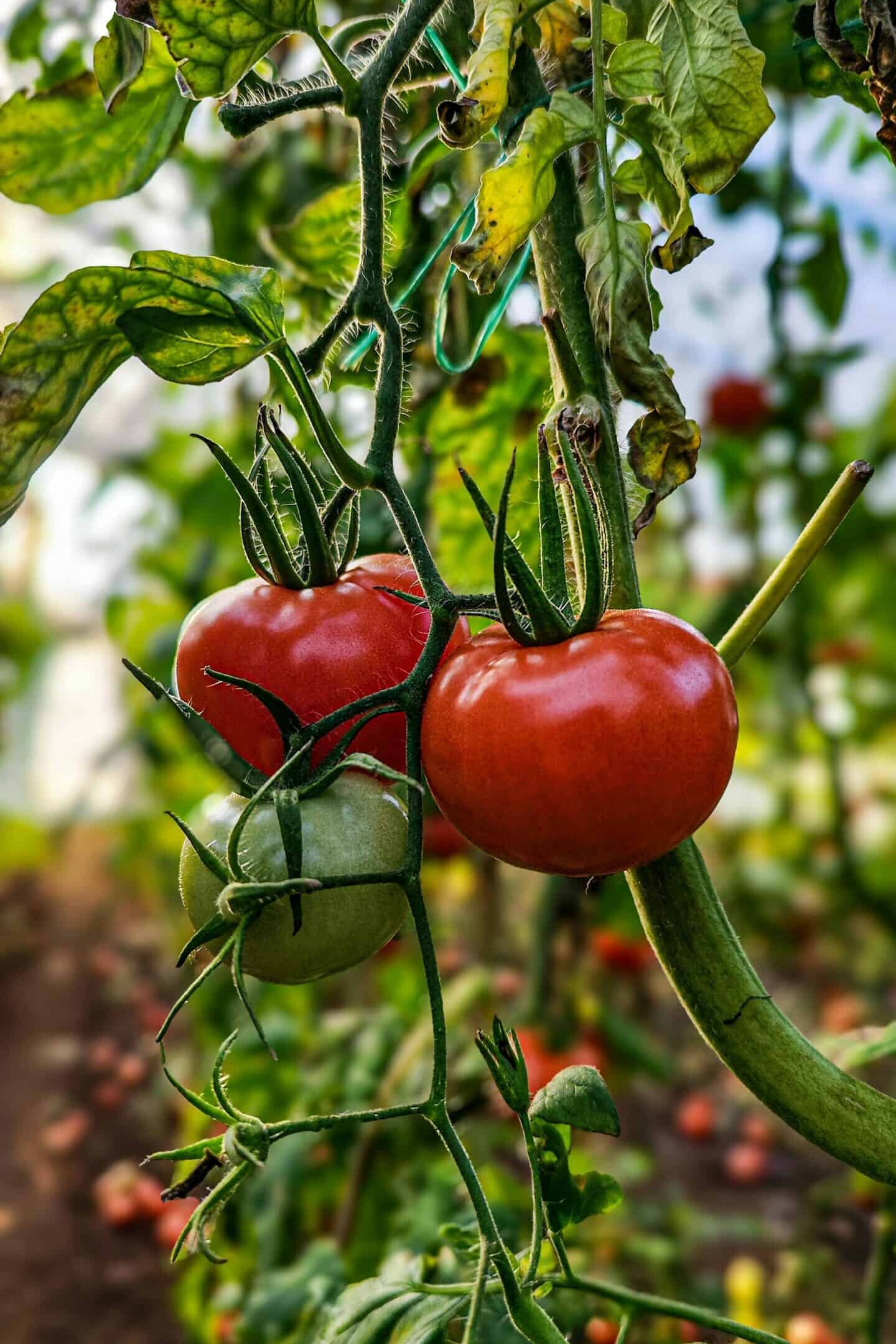
This study, conducted across several regions in the United States, compared the full economic costs and benefits of growing a leguminous winter cover crop (hairy vetch) in organic high tunnels between vegetable cash crop (tomato) seasons.
Farmer Takeaways
- Hairy vetch, when grown as a winter cover crop between tomato cash crop plantings in organic high tunnels, did not significantly impact tomato yields when compared to non-cover crop controls.
- Despite offsetting a significant amount of N fertilizer, the modest conservation payments and economic benefits associated with cover crop use were not sufficient to offset the costs of planting, maintaining, and terminating the cover crops.
- Winter cover cropping in high tunnels may not be profitable for organic producers in the short-term.
- Additional research is needed to understand the potential long-term impacts of cover cropping in high tunnels.
Project Objectives and Approach
Objectives
- Compile an enterprise budget, including direct material costs and overhead expenses, for producing a leguminous winter cover crop (hairy vetch) between summer cash crop (tomato) plantings in organic high tunnels.
- Calculate the indirect economic benefits of N fixation and the opportunity costs associated with growing a leguminous winter cover crop in place of a winter cash crop or fallow ground.
- Compare the economic costs and benefits of growing a cover crop in organic high tunnels.
Approach
- Partial budgeting methods were used to compare changes in net returns following the introduction of the cover crop at each site. The partial budget was structured into two parts:
-
- Negative Economic Effects: This budget evaluated any/all negative economic effects associated with planting a hairy vetch winter cover crop in place of a winter cash crop (spinach) at the Kansas and Kentucky sites, and in place of fallow ground at the Minnesota site. Examples of negative economic effects include added material and labor costs of planting, maintaining, and terminating the cover crop, as well as any additional costs associated with changes to prior/subsequent tomato harvests (i.e., reduced yield, higher operational costs).
- Positive Economic Effects: Examples of positive economic effects include increased returns due to improved marketable tomato yields and cover crop incentive payments from government conservation programs, as well as reduced costs due to the foregone winter cash crop (spinach) at the Kansas and Kentucky sites and any reduced material and labor costs observed during the tomato cash crop growing seasons (i.e., fertilizer reductions).
-
- High tunnel trials were established in Kansas, Kentucky, and Minnesota. These sites/states were selected due to their differences in climate, farm typology, and farm economy. Experimental treatments included: (1) a hairy vetch/tomato integrated rotation; (2) an intensive control consisting of a standard rotation of tomato production, followed either by cool-season spinach (KY and KS) or bare fallow (MN).
-
- For the cover crop treatment, hairy vetch was seeded in October, terminated at all sites after approximately 180 days using a walk-behind tractor with a flail mower attachment, and incorporated into the soil. For the intensive control treatment, spinach was seeded at roughly the same time in October.
- After cover crop termination, beds were prepared for tomato planting, and organic granular fertilizer was applied. Control treatment plots received the full recommended N rate for tomato (112kg N/ha) via granular fertilizer, but fertilizer application rates were adjusted for the cover crop plots to account for estimated N contributions from hairy vetch.
- Tomatoes were hand-harvested for several weeks between June and October at the three sites, and tomato yield and quality were measured by recording the number and weight of total fruit and marketable fruit.
-
- Both spinach and tomatoes were valued using three-year average retail prices and used to calculate the break-even tomato volume needed to offset cover crop expenses.
- Labor activities were timed using a stop watch and valued using average regional hourly wage rates for field workers.
Key Findings
Cover Crop Benefits
- Total and marketable tomato yields did not differ by treatment, indicating that – regardless of regional/site differences – growing a winter hairy vetch cover crop between tomato cash crop plantings in organic high tunnels neither enhances nor diminishes tomato yields.
- Biomass sampling indicated that the hairy vetch cover crop successfully offset a significant amount of N fertilizer in Kansas and Minnesota (42% and 32%, respectively, of the tomato crop’s target N needs), and a lesser amount (13%) in Kentucky.
-
- With organic fertilizer valued at $1.43/kg, the vetch cover crop offset direct fertilizer expenses by an estimated $0.03-$0.08 per square meter.
-
Cover Crop Costs
- The 3-year average cost of producing the hairy vetch cover crop ranged from $2.35 (KS) to $2.98 (MN) to $3.54 (KY) per square meter. Labor accounted for the majority of cover crop expenses, averaging 72% across all sites for the study period. Of the material inputs, water was the largest expense in all three states, and certified organic seed costs accounted for ~1% or less of total expenses.
- Gross returns for the hairy vetch/tomato plots averaged $26.29 (KS), $32.97 (KY), and $46.82 (MN) per square meter. The regional disparity in gross returns is primarily due to differences in regional retail tomato prices.
Budget Results & Financial Review
- When evaluating the negative vs. positive economic partial budgets, all three states observed a negative net change in benefits (-$3.65 (KS), -$2.42 (KY), and -$3.15 (MN) per square meter), indicating that even before accounting for opportunity costs (foregone income from a second (spinach) cash crop), cover crop treatments did not break even. After accounting for opportunity costs, the net change in income was further reduced.
- When exploring the impact of different marketing channel prices (local premiums vs. wholesale), even when local premium prices are factored in, growers would need to produce significantly more tomatoes to make up for cover crop costs.
Resources
DiGiacomo, G., Gieske, M., Grossman, J., Jacobsen, K., Peterson, H., & Rivard, C. (2023). Economic trade-offs: Analysis of hairy vetch (Vicia villosa) cover crop use in organic tomato (Solanum lycopersicum L.) high tunnel systems across multiple regions. Renewable Agriculture and Food Systems, 38, e10.
Read MoreLocation
Collaborators
Gigi DiGiacomo, University of Minnesota, Saint Paul
Miriam Gieske, University of Minnesota, Morris
Krista Jacobsen, University of Kentucky
Hikaru Peterson, University of Minnesota, Saint Paul
Cary Rivard, Kansas State University
Region
Midwest, Plains
Topic
Soil Health, Crop Nutrient Management, Business and Marketing, Season Extension
Category
Vegetables/Fruits, Grain and Field Crops
Year Published
2023