
Basics of Organic Certification & Standards for Extension Agents
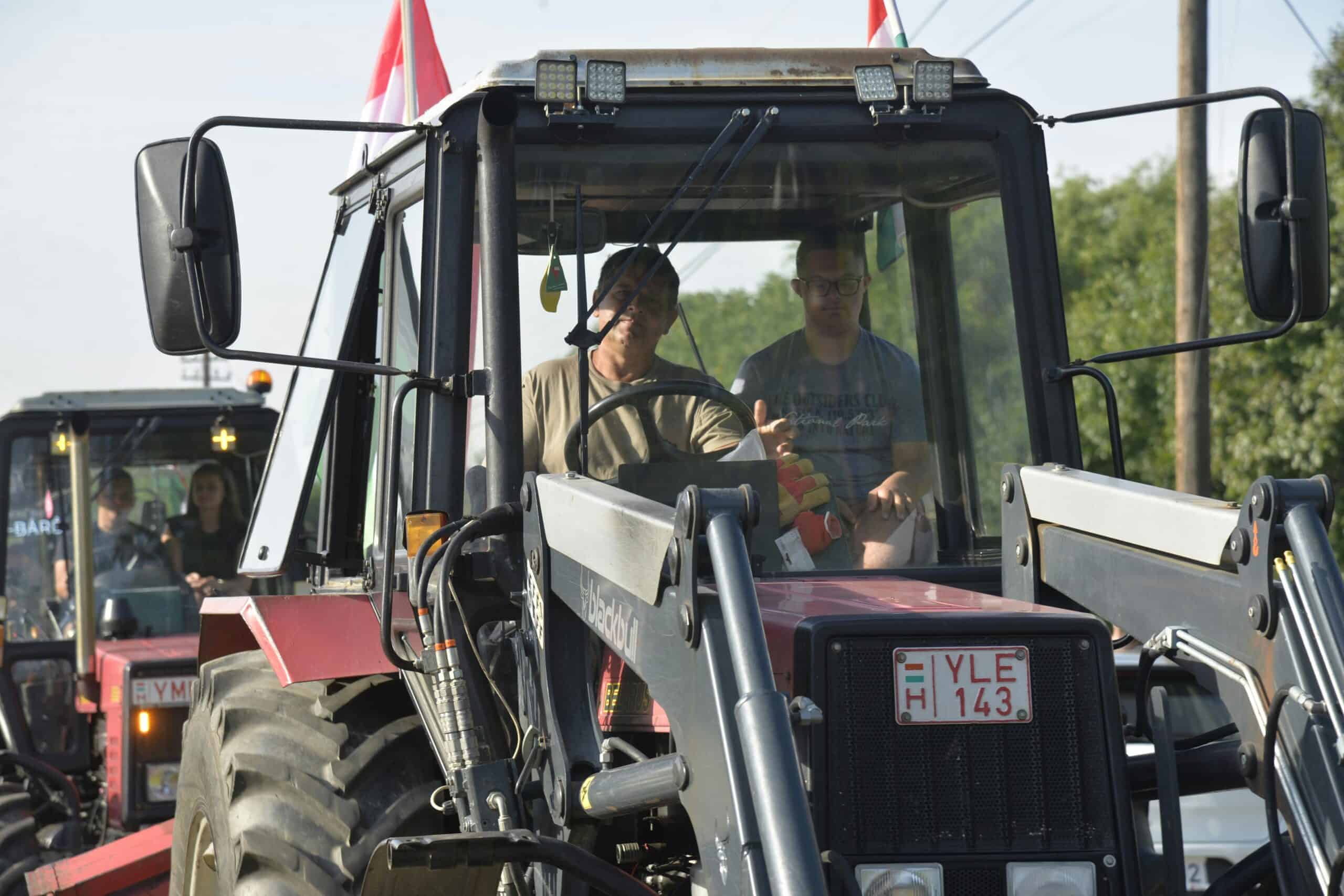
This factsheet, produced by the Organic Farming Research Foundation (OFRF), provides a concise overview of the USDA National Organic Program (NOP) regulations, designed to help producers effectively support farmers navigating organic certification and the 36-month transition period. Topics covered include the certification roadmap, recordkeeping essentials, crop and land standards, and requirements for livestock/pasture.
A Guide to On-Farm Processing for Organic Producers
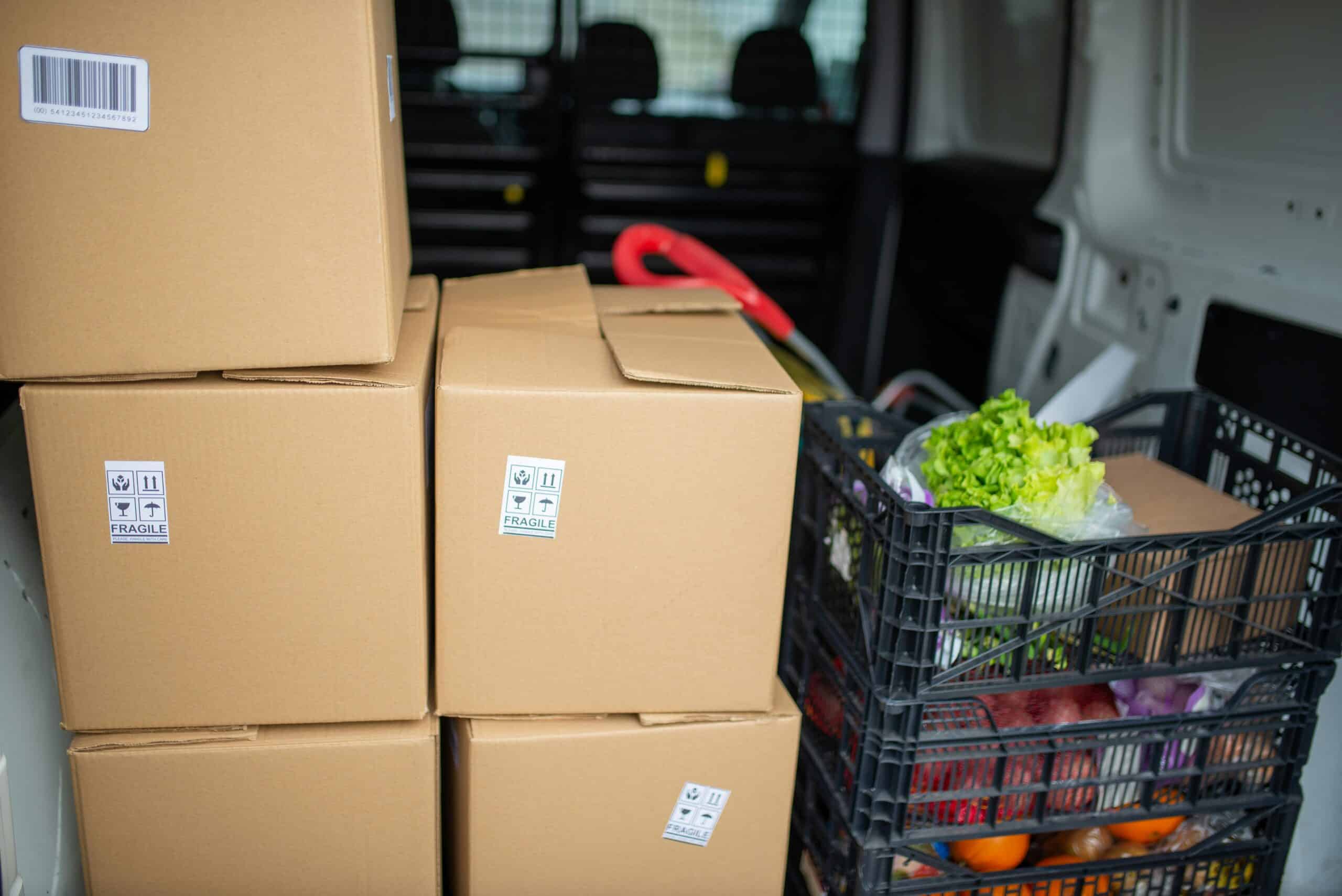
This publication, produced by the Kerr Center for Sustainable Agriculture and ATTRA, provides guidance for farmers wanting to add value to their crops and livestock through on-farm processing. It details USDA organic regulations, food safety rules, and business planning for value-added products, ensuring compliance for organic certification.
Cover Cropping for Pollinators and Beneficial Insects
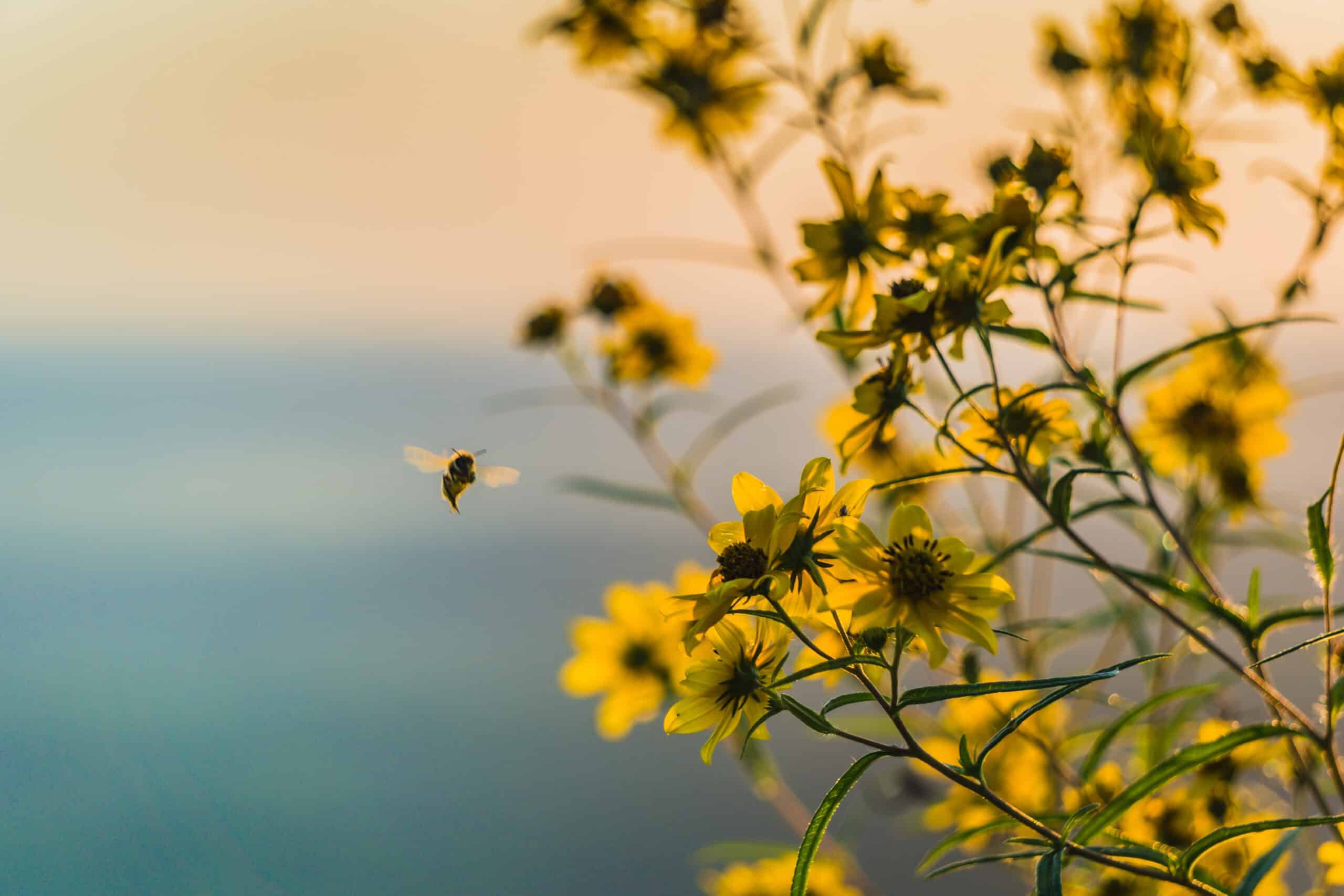
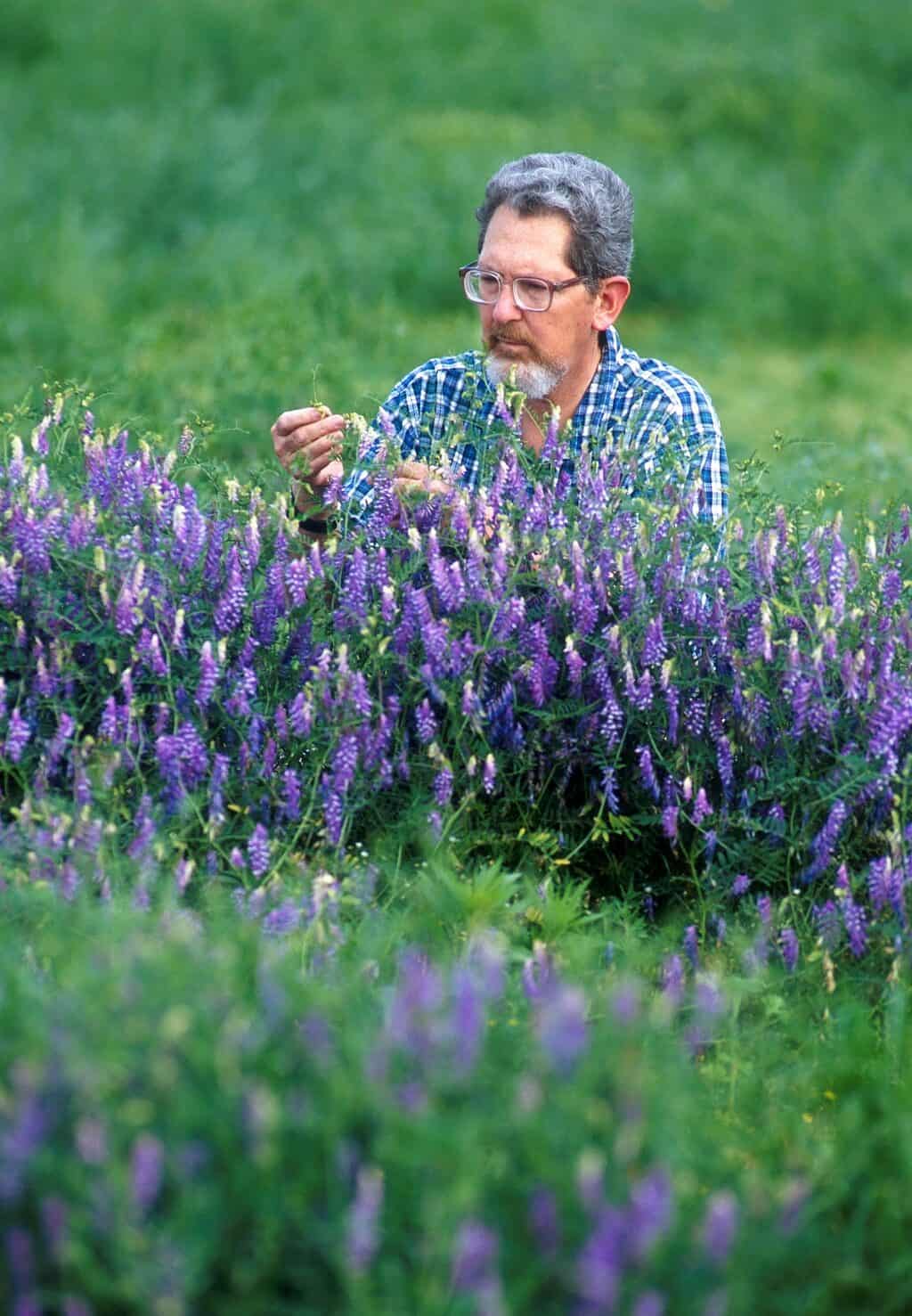
This guidebook, produced by Sustainable Agriculture Research & Education (SARE), will help producers use cover crops to encourage populations of pollinators and beneficial insects on the farm. It begins with a broad overview of pollinator and beneficial insect ecology, then describes cover crop selection and management, how to make cover crops work on your farm, and helpful and proven crop rotations.
Managing Cover Crops Profitably
This guidebook, produced by Sustainable Agriculture Research & Education (SARE), explores how and why cover crops work, and provides all the information needed to build cover crops into any farming operation. Along with detailed management information on the most commonly used species, the guide offers chapters on the role of cover crops in broader topics such as crop rotations, pests, and conservation tillage.
Cover Crops Database
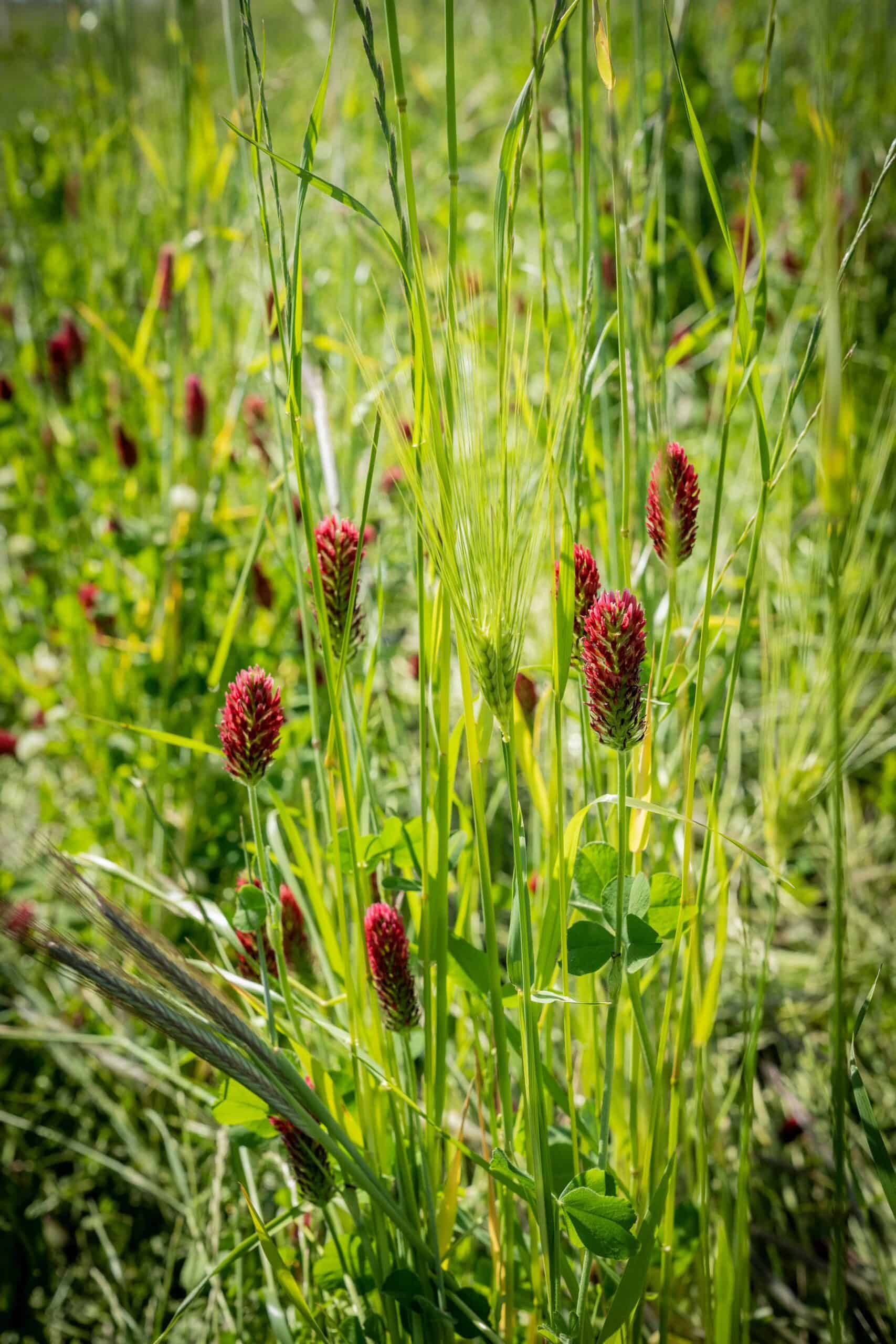
The UC SAREP cover crop database, first released in 1999, provides detailed information on over 40 cover crop species commonly grown in California. The database helps growers understand each species' unique characteristics, including planting requirements, management details, nutrient contributions, and pest interactions, enabling informed decisions about cover crop integration.
Building Soils for Better Crops: Ecological Management for Healthy Soils
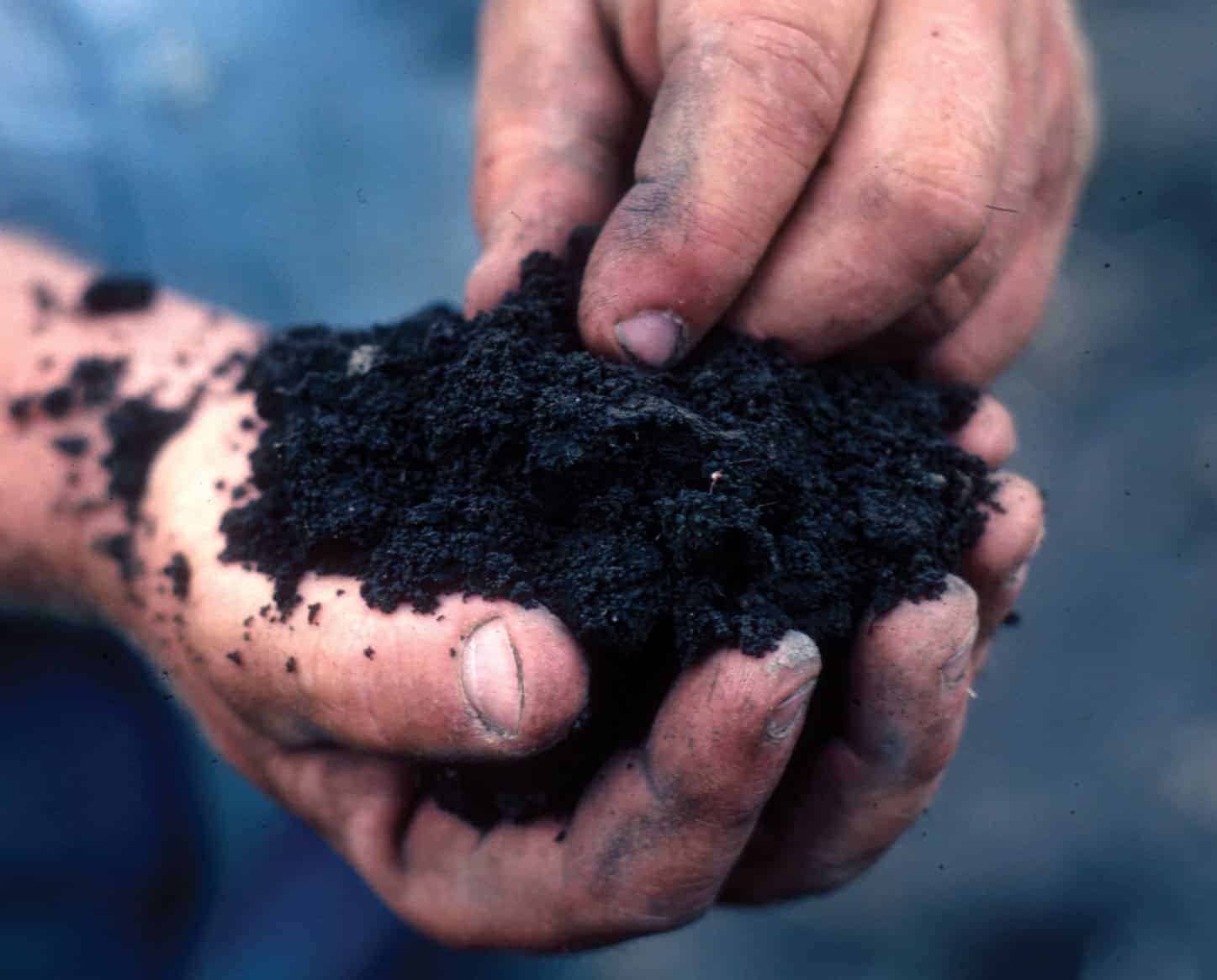
This guidebook, produced by Sustainable Agriculture Research & Education (SARE), is a practical guide to sustainable soil management. It covers soil organic matter, physical properties, nutrient cycles, and ecological practices including cover crops, composting, crop rotations, and tillage reduction. The guide also addresses soil health assessment, water management, urban soils, and strategies for building long-term farm sustainability.
Winter Rye: A Reliable Cover Crop
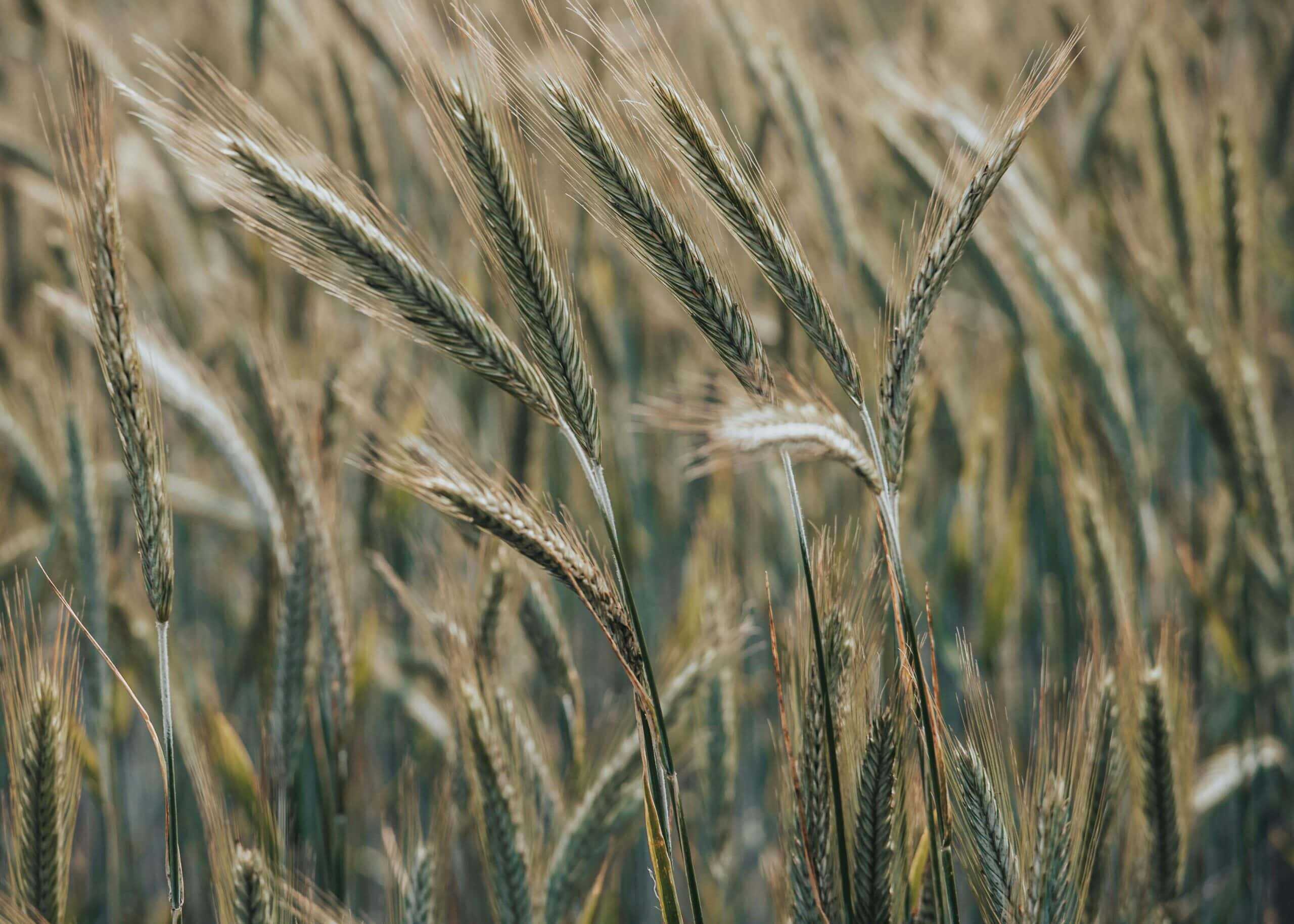
This University of Vermont Extension publication highlights winter rye as a versatile and reliable cover crop. It covers rye's soil-protecting qualities, growth requirements, seeding rates, and nitrogen-scavenging ability. The publication also addresses rye's allelopathic effects on weeds and small-seeded crops, its use in grain-legume mixtures with hairy vetch or crimson clover, and its suitability for no-till systems and on-farm mulch production.
Webinar: Cover Crops: Selection and Management
Join Mark Schonbeck and Diana Jerkins for Part 4 of the “Soil Health and Organic Farming” webinar series by the Organic Farming Research Foundation (OFRF) and eOrganic. Learn about selecting the best cover crops, mixes, and management methods for soil health, including crop rotations and cropping system biodiversity.
Webinar: Plant Genetics: Plant Breeding and Variety Selection
Join Mark Schonbeck and Diana Jerkins for Part 5 of the “Soil Health and Organic Farming” webinar series by the Organic Farming Research Foundation (OFRF) and eOrganic. Learn about plant breeding and variety selection for performance in sustainable organic systems, including nutrient and moisture use efficiency, competitiveness toward weeds, and enhanced interactions with beneficial soil biota.