
Building a Resilient Organic Hemp Industry: Survey and Focus Groups Assess Research, Extension, and Education Needs
Project Overview
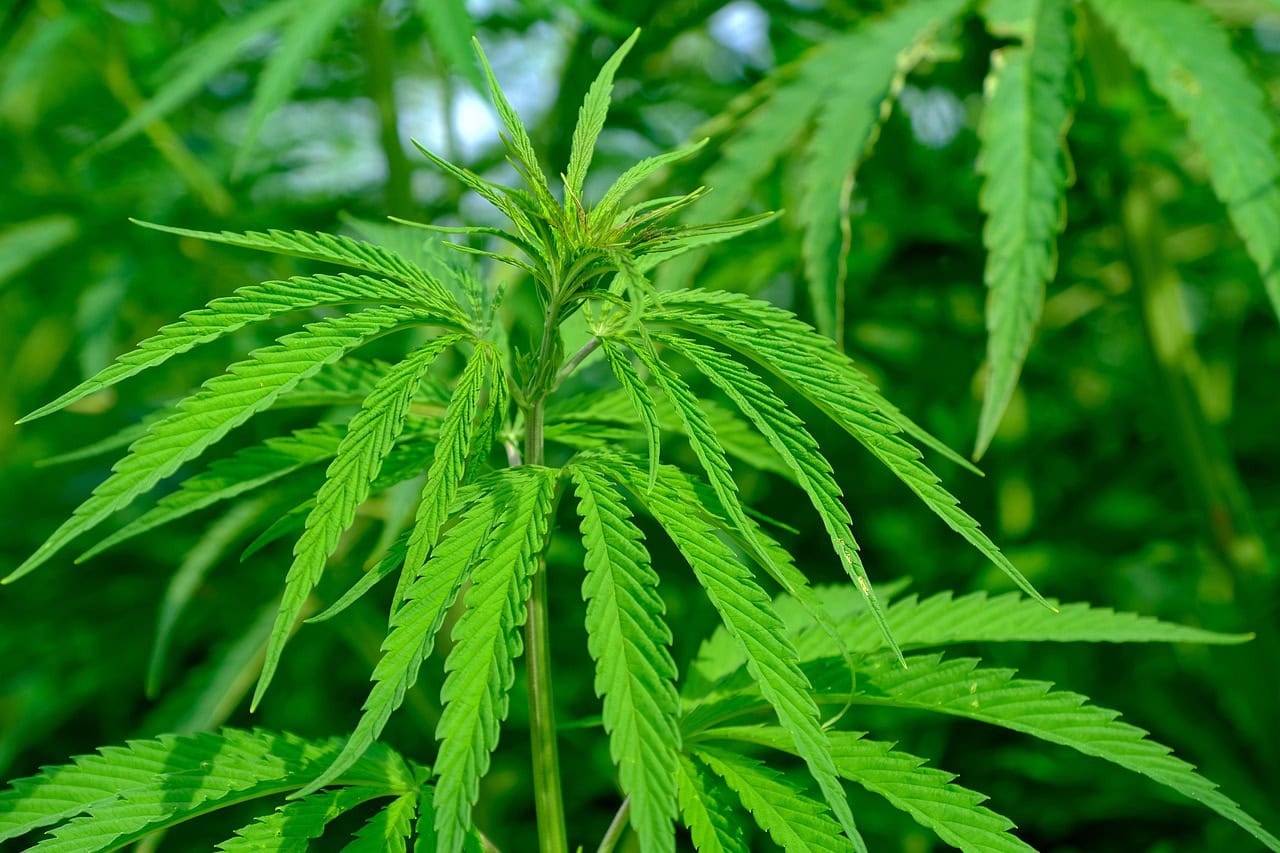
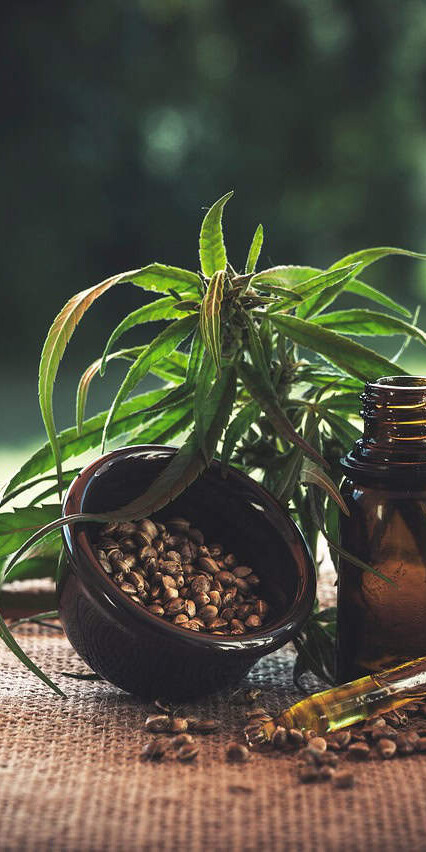
Hemp (Cannabis sativa L.) is an attractive crop to producers because of its versatility. Some of the crop’s uses include fiber, seeds, oil, biofuel, beauty products, clothing, paper, and construction materials. After hemp’s legalization in the United States in 2018, production and acreage skyrocketed; however, significant knowledge gaps and production barriers persist, particularly with weed and disease management, nutrient management, and lingering legality issues in supply and distribution chains.
In this study, researchers from several academic institutions (Cornell, University of Wisconsin-Madison, Texas A&M, and North Carolina State) developed a national survey and organized focus groups with hemp researchers, extension agents, industry stakeholders, and organic hemp growers to determine the predominant knowledge gaps and industry barriers to U.S hemp production.
Farmer Takeaways
- Most U.S hemp producers currently grow hemp for cannabinoids, but are interested in exploring other hemp markets (i.e., fiber, seed).
- Organic hemp producers identified their top challenges as marketing/sales, regulations, and production costs (i.e., product testing and lending/banking costs).
- Focus groups revealed that hemp varieties with better traits (i.e., biomass potential and pest resistance) and regional adaptation were important for the future of organic hemp.
- Focus groups identified needing additional research on weed, insect, and disease management, as well as best practices on incorporating hemp into existing crop rotations.
Project Objectives and Approach
Conduct a national survey of current and prospective hemp growers to determine major hemp production challenges and identify resources needed within the industry.
- National survey questions were developed using information from peer-reviewed literature and consultations with hemp producers, researchers, and extension agents.
- The survey included 31 questions and a variety of question formats, including multiple choice, fill-in-the-blank, likert-scale, and open-ended.
- The survey was sent to farmers in the Organic Integrity Database who listed ‘hemp’ as a crop produced on their farm (n= 686), as well as to farmers in the database who listed ‘major row crops’ (n= 2900).
Conduct a series of focus groups to gain insight into the hemp industry, with participants representing growers, educators, researchers, extension agents, business owners, and advocates.
- Focus groups were conducted both in-person and virtually and were split by hemp growers, industry professionals, and hemp educators. Questions were tailored to fit these specific groups (for example: grower focus groups were asked about barriers to adoption, industry focus groups were asked about market challenges, and education focus groups were asked about the inclusion of organic practices for hemp in their curricula).
Key Findings
Cannabinoids are the current end-use focus of the majority of hemp growers surveyed, although many are interested in other markets.
- 77% of respondents were currently growing hemp for cannabinoids.
- Approximately 25% of respondents indicated they were interested in growing the crop for other end uses in the future, such as fiber and seed.
Many challenges still exist in the hemp industry, ranging from physical production challenges (i.e., pest/nutrient management) to market/finance difficulties.
- Top challenges included low demand/saturated markets and sales, regulations, product testing, financing, and agronomic challenges (such as pest and nutrient management).
Organic hemp could benefit from breeding efforts to develop regional adaptations/traits to complement existing crop rotations.
- Farmers were interested in adding hemp into their existing crop rotation, but needed more research and extension information on best practices.
- Hemp varieties with greater biomass potential are needed, as are varieties with regional insect and disease resistance.
Resources
Moore, V., Fratz, E.,Baltensperger, D., Ellison, S., Grab, H., Sosnoskie, L., Suchoff, D., & Vergara, D. (2025). Building a resilient organic hemp industry: survey and focus groups assess research, extension, and education needs. Agrosystems, Geosciences & Environment, 8, e70018.
Read MoreLocation
New YorkCollaborators
Emily Fratz, Cornell University
David Baltensperger, Texas A&M University
Shelby Ellison, University of Wisconsin-Madison
Heather Grab, Cornell University
Lynn Sosnoskie, Cornell University
David Suchoff, North Carolina State University
Daniela Vergara, Cornell Cooperative Extension


Organic Grain Market Outlook and Strategies - What’s Really Moving the Organic Grain Market in 2025?
This article, published by the Organic Agronomy Training Service (OATS), provides guidance to farmers seeking to understand both short- and long-term market data for the organic grain market.
Podcast Series: Organic Advisor Call Series
Welcome to the Organic Advisor Call Series — quick-hit conversations on the hottest topics in organic field crops. Whether you're tuning in from your desk, truck, or tractor, you'll spend one hour each episode learning about emerging issues from expert farmers and industry leaders.
Organic Weed Management in Soybeans
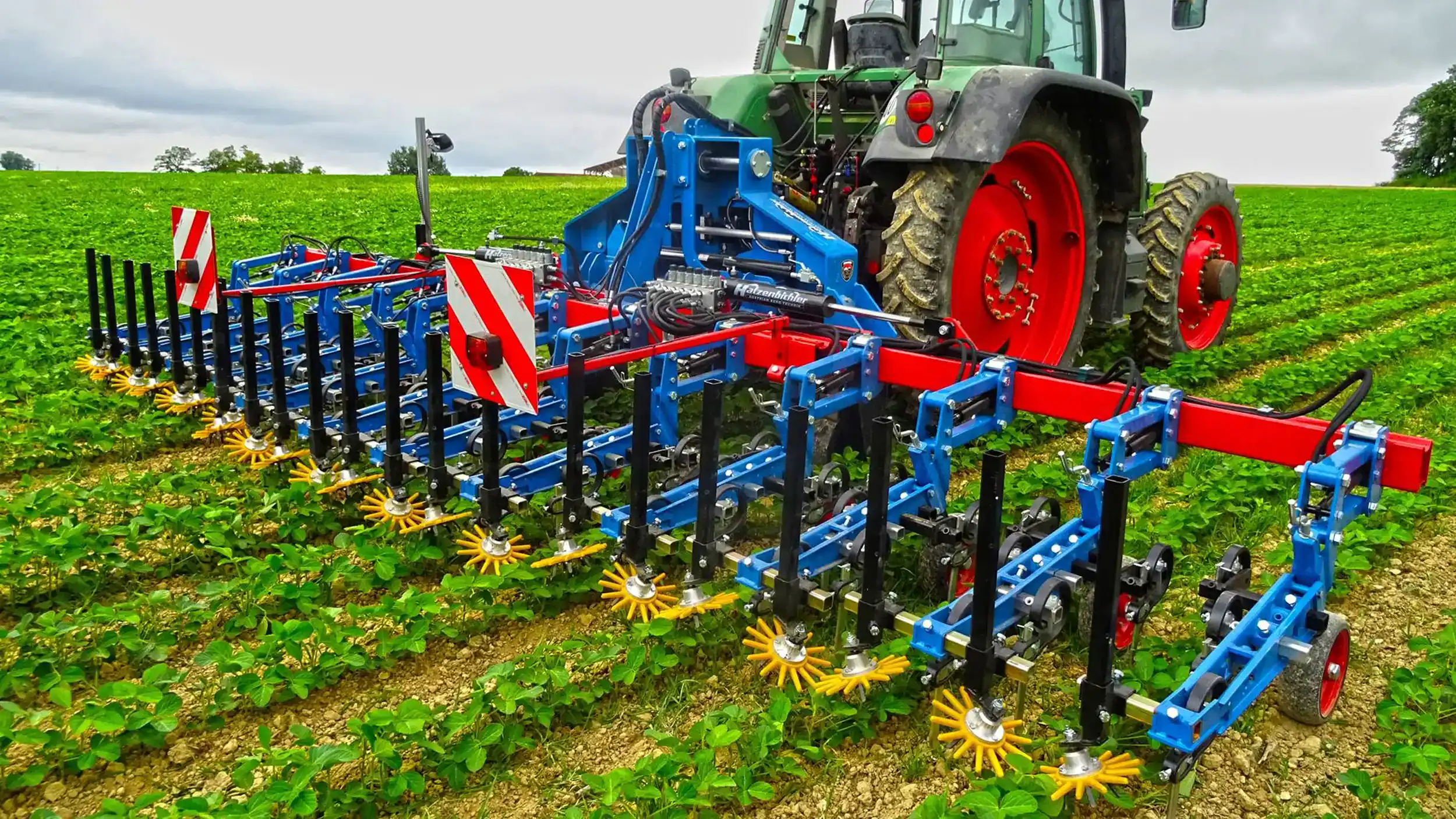
This article, published by Organic Agronomy Training Service (OATS), outlines a holistic approach to organic weed management in soybeans, emphasizing that effective control begins long before planting through rotation design, seedbank reduction, and sound agronomy.
Podcast: The Soil Health Cycle with Dr. Bijesh Maharjan
Join Dr. Bijesh Maharjan, Professor of Agronomy & Horticulture at the University of Nebraska-Lincoln, for a discussion about the soil health cycle. Learn about what the soil health cycle is, why fostering healthy soils is so important, and how the soil health cycle relates to human health.
Podcast: Life Cycle Analyses and Greenhouse Gases with Dr. Hoyoung Kwon
Join Dr. Hoyoung Kwon, Environmental Analyst at the Argonne National Laboratory, for a discussion about how life cycle analyses (LCAs) can be used to identify major agricultural greenhouse gas contributors and to develop ways of reducing the agriculture sector’s contribution to the climate crisis.
Video Series: Fearless Farm Finances
This 13-video series, produced by Marbleseed, is a one-of-a-kind course packed with instructions, tips, and tools for setting up and managing a farm’s financial system. It includes real-life examples from successful farmers and sample data to show how forms and records should look.

Organic Certification and Tips for Choosing an Organic Certifier
This factsheet, produced by Marbleseed, provides guidance on the organic certification process and how to select an organic certifier. Learn about record-keeping, applying for certification, selecting a certifier, and more.
Video Series: Organic Certification Made Simple
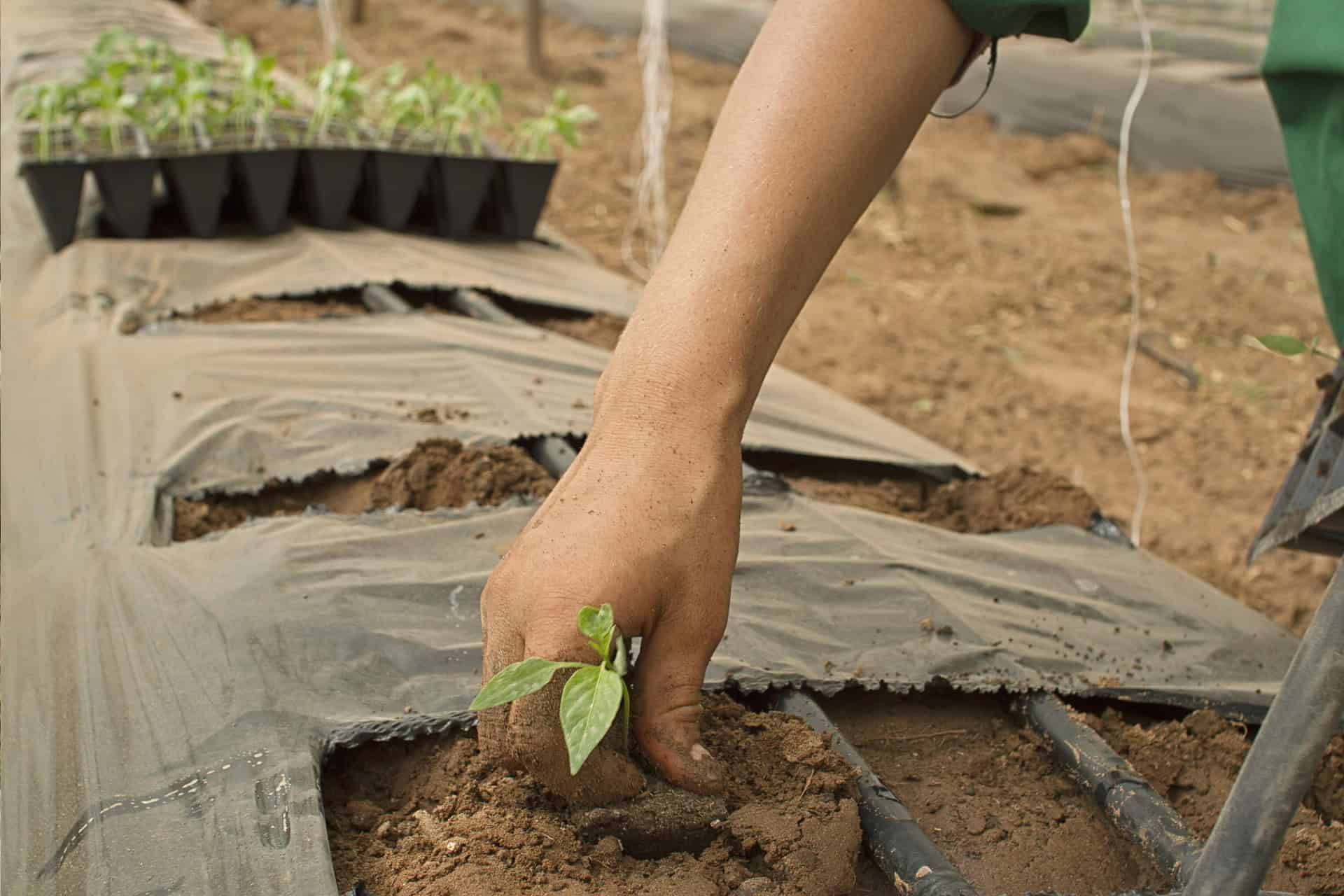
This video series, produced by the USDA Agricultural Marketing Service, provides a step-by-step overview of organic production requirements and the process of organic certification. Made by farmers, for farmers, this series is broken down into “bite-sized” videos that highlight the benefits of organic certification, demystify perceived barriers, and outline how farmers can overcome real-life challenges.