West/Southwest
Arizona, California, Hawaii, Nevada, New Mexico, Utah, and Texas
Use the filters below to search for Resources, Experts, and Grant Projects from these states
604 resources found

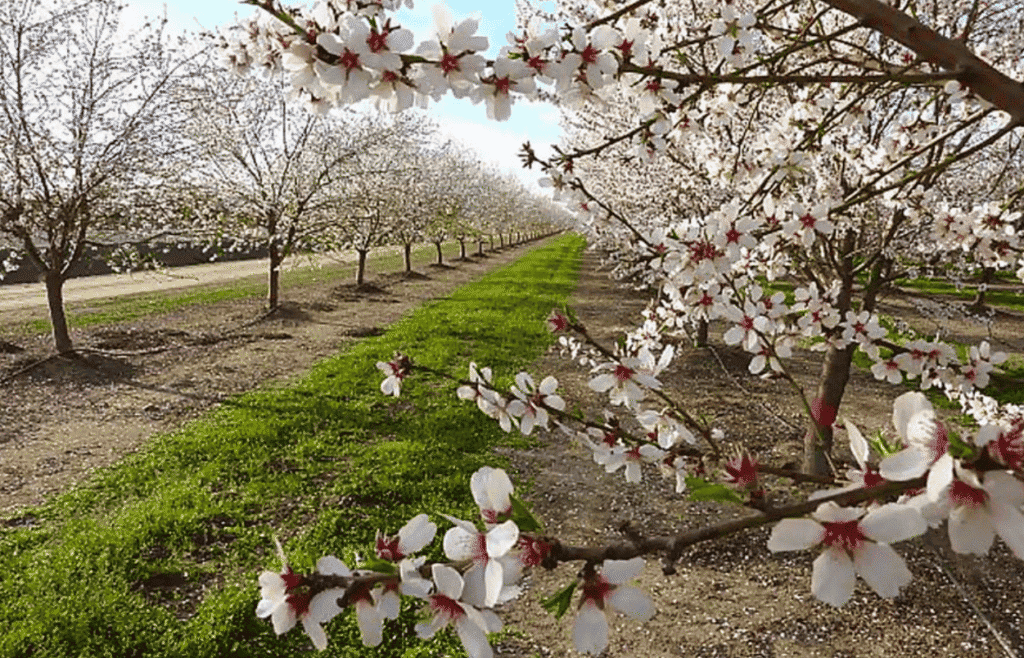
Climate Change and Perennial Fruit and Nut Production: Investing in Resilience in Uncertain Times
This guide, produced by ATTRA NCAT, examines climate-related challenges facing perennial fruit and nut growers, including drought, flooding, frost timing shifts, inadequate…
Climate Change and Perennial Fruit and Nut Production: Investing in Resilience in Uncertain Times
This guide, produced by ATTRA NCAT, examines climate-related challenges facing perennial fruit and nut growers, including drought, flooding, frost timing shifts, inadequate chilling hours, and extreme heat. It outlines four key strategies for building resilience — diversification into new cultivars and species, water stewardship, soil building through organic matter improvement, and adoption of appropriate technology and policy.
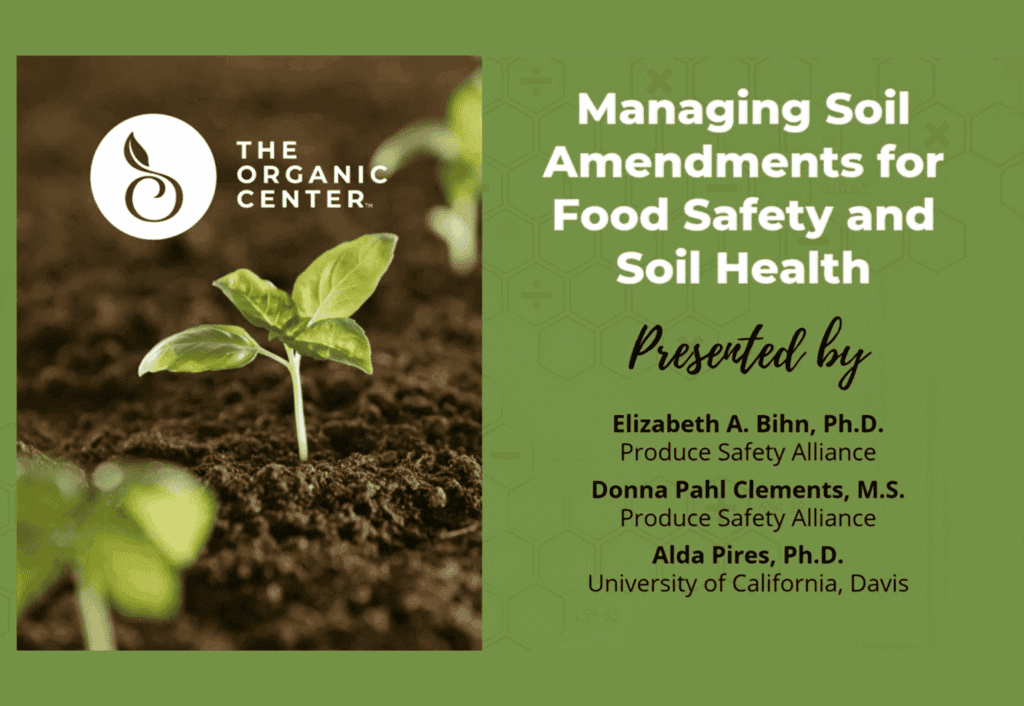
Webinar: Managing Soil Amendments for Food Safety and Soil Health
Biological soil amendments of animal origin (BSAA) are commonly used to provide nutrients and build soil organic matter; however, they can present…
Webinar: Managing Soil Amendments for Food Safety and Soil Health
Biological soil amendments of animal origin (BSAA) are commonly used to provide nutrients and build soil organic matter; however, they can present a microbial food safety risk. This webinar, produced by The Organic Center, is Part 1 of a two-part series outlining the benefits and risk reduction practices when using manure, compost, and other BSAAOs.
Organic Certification and Farmer Resiliency: How Can Farmers Overcome Transition Barriers and Remain Organic?
This research-based guide, produced by ATTRA NCAT, examines the economic sustainability of certified organic farms. Drawing on academic literature and farmer focus…
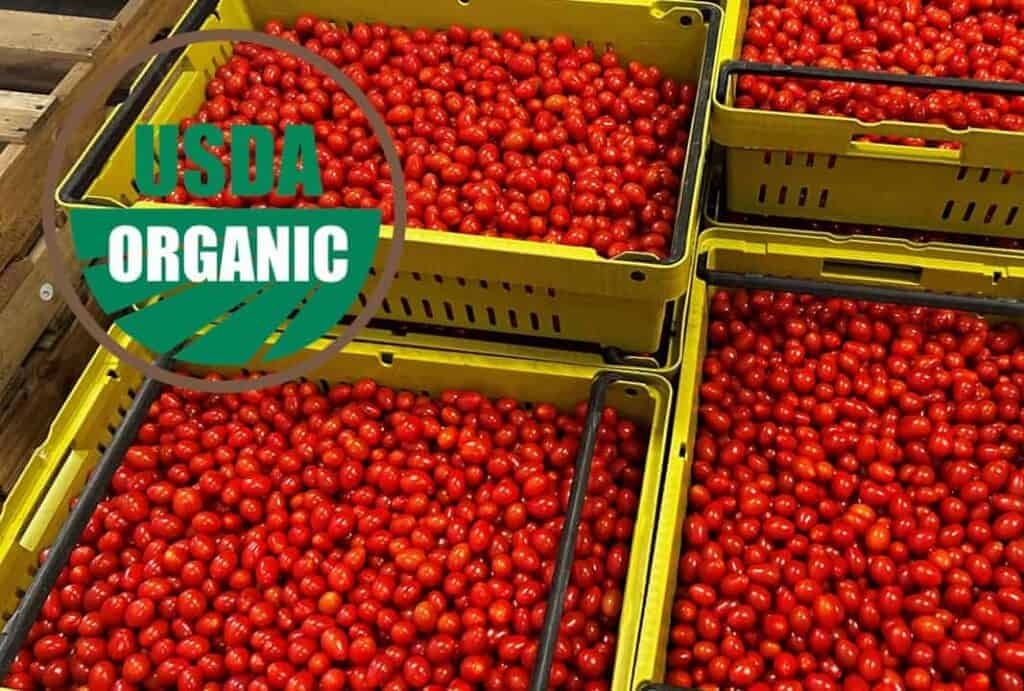
Organic Certification and Farmer Resiliency: How Can Farmers Overcome Transition Barriers and Remain Organic?
This research-based guide, produced by ATTRA NCAT, examines the economic sustainability of certified organic farms. Drawing on academic literature and farmer focus groups, it identifies barriers to organic transition and certification, explores profitability patterns, supply chain relationships, risk management strategies, and offers practical recommendations to help farmers overcome challenges and remain economically viable.

Webinar: Science-Based Composting Practices
This webinar, produced by The Organic Center, is Part 2 of a two-part series outlining the benefits and risk reduction practices when…
Webinar: Science-Based Composting Practices
This webinar, produced by The Organic Center, is Part 2 of a two-part series outlining the benefits and risk reduction practices when using manure, compost, and other biological soil amendments of animal origin (BSAAO). In this session, learn about science-based composting practices that growers can use to minimize microbial food safety risks, as well as documentation requirements for several BSAAOs.

Organic IPM Field Guide
This pictorial field guide, produced by ATTRA NCAT, covers ecologically-based organic IPM strategies for farmers. Organized into five sections covering beneficial insects…

Organic IPM Field Guide
This pictorial field guide, produced by ATTRA NCAT, covers ecologically-based organic IPM strategies for farmers. Organized into five sections covering beneficial insects and habitat, plant disease, weed management, and vertebrate pests, it emphasizes prevention-first approaches and was designed to be printed, laminated, and used directly in the field as a practical reference tool.
Webinar: Citrus Greening Disease: The Quest for an Organic Management Solution
The Organic Center has collaborated with University of Florida researchers to publish a study that outlines a rigorous, multi-faceted approach to protecting…
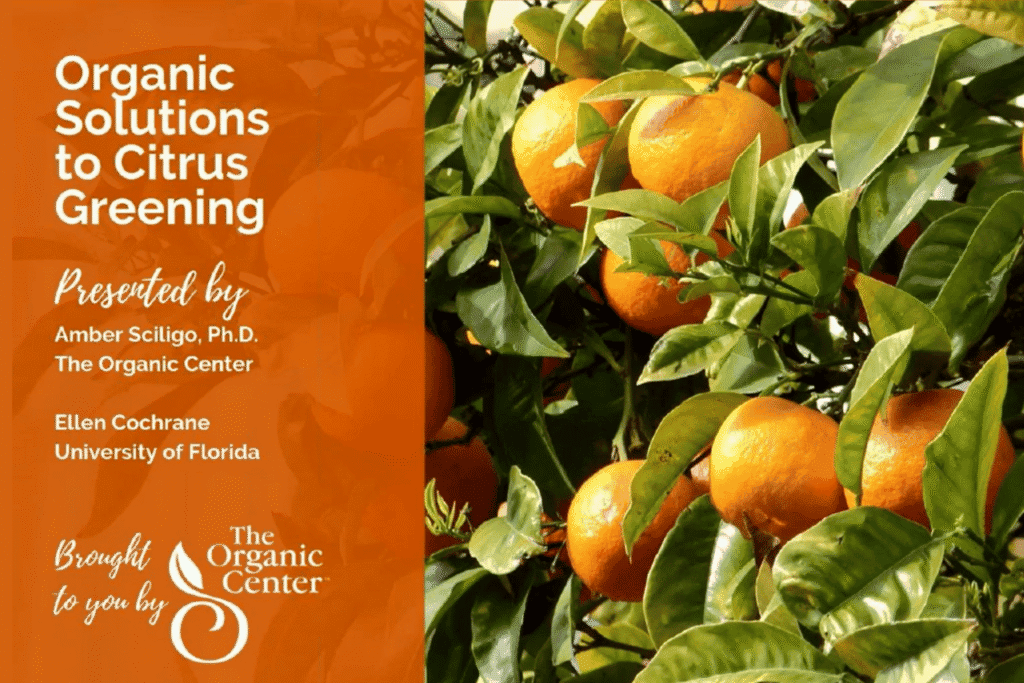
Webinar: Citrus Greening Disease: The Quest for an Organic Management Solution
The Organic Center has collaborated with University of Florida researchers to publish a study that outlines a rigorous, multi-faceted approach to protecting citrus trees in organic systems from citrus greening, a devastating disease. Join a panel of experts for a discussion on this important research.
Tipsheet: Living Conditions, Facilities, and Handling for Organic Livestock
This tipsheet, produced by ATTRA NCAT, outlines USDA National Organic Program requirements for livestock living conditions, facilities, and handling. It covers outdoor…
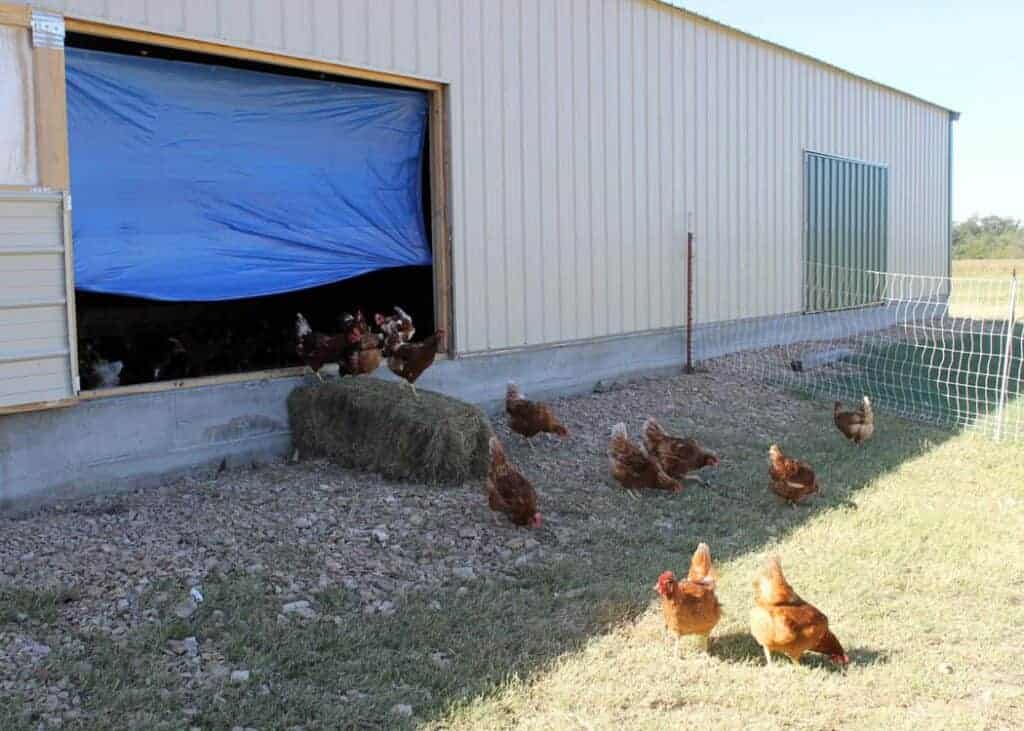
Tipsheet: Living Conditions, Facilities, and Handling for Organic Livestock
This tipsheet, produced by ATTRA NCAT, outlines USDA National Organic Program requirements for livestock living conditions, facilities, and handling. It covers outdoor access, temporary confinement provisions, shelter standards, structural pest management, low-stress handling practices, and materials restrictions, and includes a compliance checklist to help organic producers assess whether their operations meet regulatory requirements.
Webinar: The Biodiversity Calculator: A Simple Tool for Tracking and Managing Biodiversity for NOP Compliance
Biodiversity is critical for healthy, functioning organic farms, and is central to the NOP Guidance on Natural Resources and Biodiversity Conservation. However,…

Webinar: The Biodiversity Calculator: A Simple Tool for Tracking and Managing Biodiversity for NOP Compliance
Biodiversity is critical for healthy, functioning organic farms, and is central to the NOP Guidance on Natural Resources and Biodiversity Conservation. However, the burden of designing and implementing biodiversity plans often still falls on the farmer. This virtual workshop highlights a farmer-friendly tool that can aid farmers in making technical decisions to increase on-farm biodiversity.
Farm Food Safety Organic Federal Co-Compliance Chart for Crop Producers
This chart, produced by ATTRA NCAT, helps crop producers understand and navigate both the FDA FSMA Produce Safety Rule and USDA Organic…
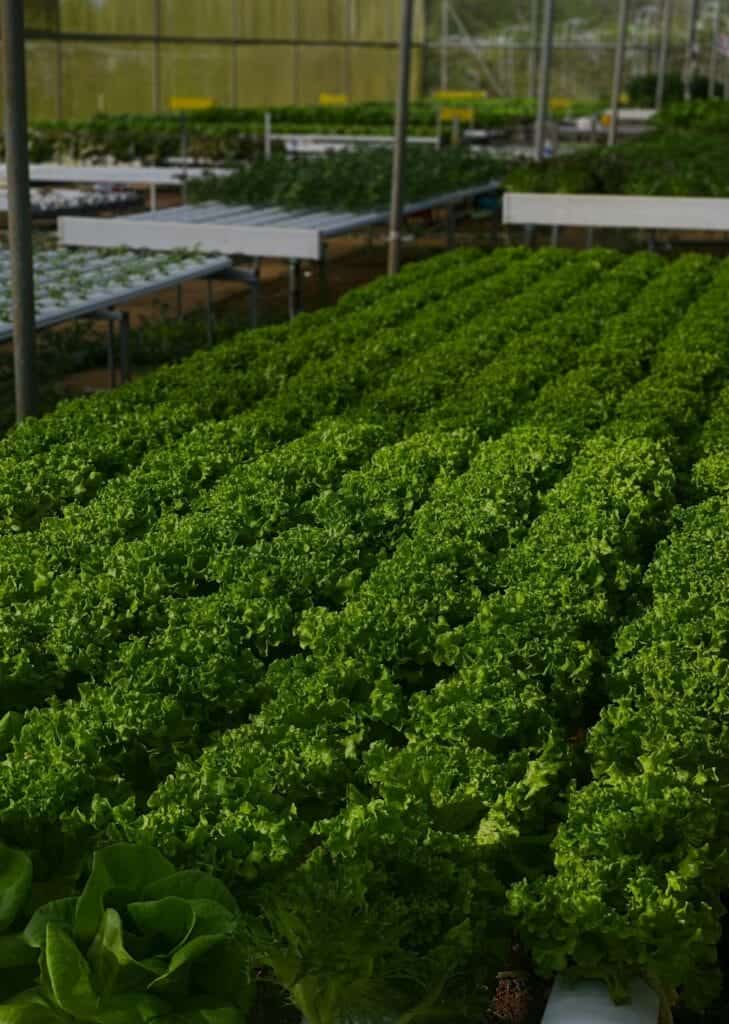
Farm Food Safety Organic Federal Co-Compliance Chart for Crop Producers
This chart, produced by ATTRA NCAT, helps crop producers understand and navigate both the FDA FSMA Produce Safety Rule and USDA Organic Regulations simultaneously. It compares requirements side by side across key topics including written plans, recordkeeping, land use, worker hygiene, soil amendments, pest management, water quality, and harvest handling, highlighting where the two regulatory frameworks align or differ.
Online Course: Supporting Organic Producers in Your Extension Role | What is TOPP and How Can Farmers Use It?
This webinar, produced by the University of Missouri, is part of a multi-part video series tailored to Extension providers. In this session,…
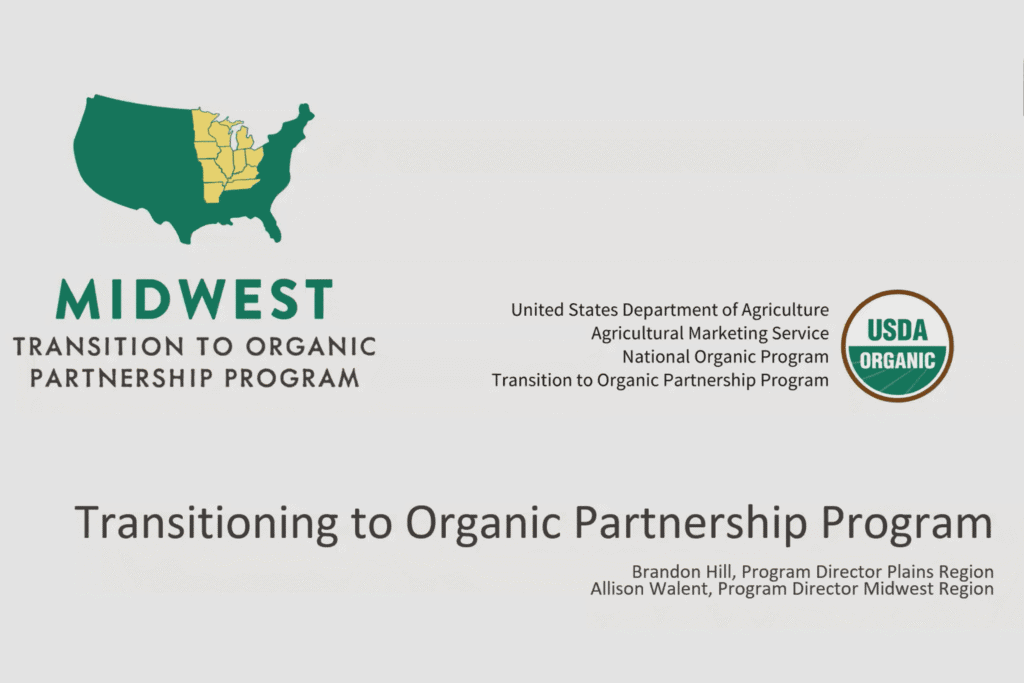
Online Course: Supporting Organic Producers in Your Extension Role | What is TOPP and How Can Farmers Use It?
This webinar, produced by the University of Missouri, is part of a multi-part video series tailored to Extension providers. In this session, receive an overview of the USDA Transition to Organic Partnership Program (TOPP). Learn about the initiatives, goals, and priorities of the TOPP program, and how to assist organic producers navigating the program.
Tipsheet: Organic Pig Production
This tipsheet, produced by ATTRA NCAT, covers key considerations for USDA-certified organic pig production, including animal sourcing, feed requirements, allowed and prohibited…
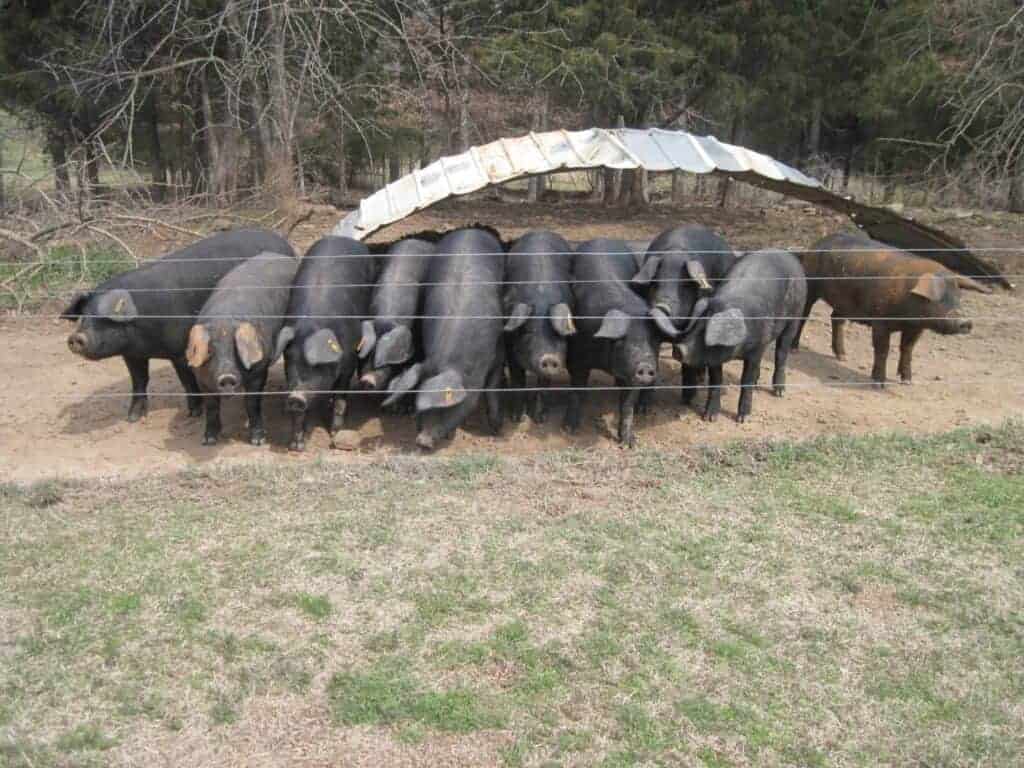
Tipsheet: Organic Pig Production
This tipsheet, produced by ATTRA NCAT, covers key considerations for USDA-certified organic pig production, including animal sourcing, feed requirements, allowed and prohibited health care practices, living conditions, and processing options. It outlines the regulatory requirements producers must meet under USDA organic regulations and raises important economic questions.
Webinar: Can Cover Crop Mixes of Legumes & Non-Legumes Reduce Nitrate Leaching and Protect Water Quality?
Cover crop mixtures of legumes and non-legumes can help farmers add organic matter to their soil and improve nutrient management in vegetable…
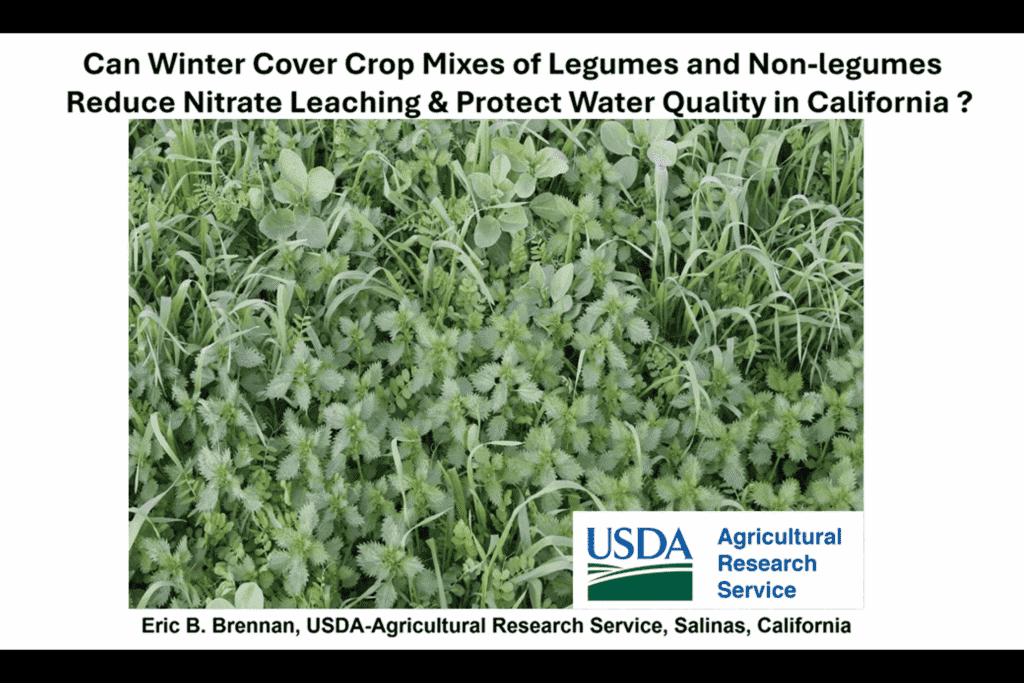
Webinar: Can Cover Crop Mixes of Legumes & Non-Legumes Reduce Nitrate Leaching and Protect Water Quality?
Cover crop mixtures of legumes and non-legumes can help farmers add organic matter to their soil and improve nutrient management in vegetable production systems. In this webinar, Dr. Eric Brennan (USDA-ARS) discusses the complexity of these mixtures, their advantages and disadvantages, and uses scientific data to answer an important question: Can cover crop mixes of legumes & non-legume reduce nitrate leaching & protect water quality?
604 resources found