Project Overview
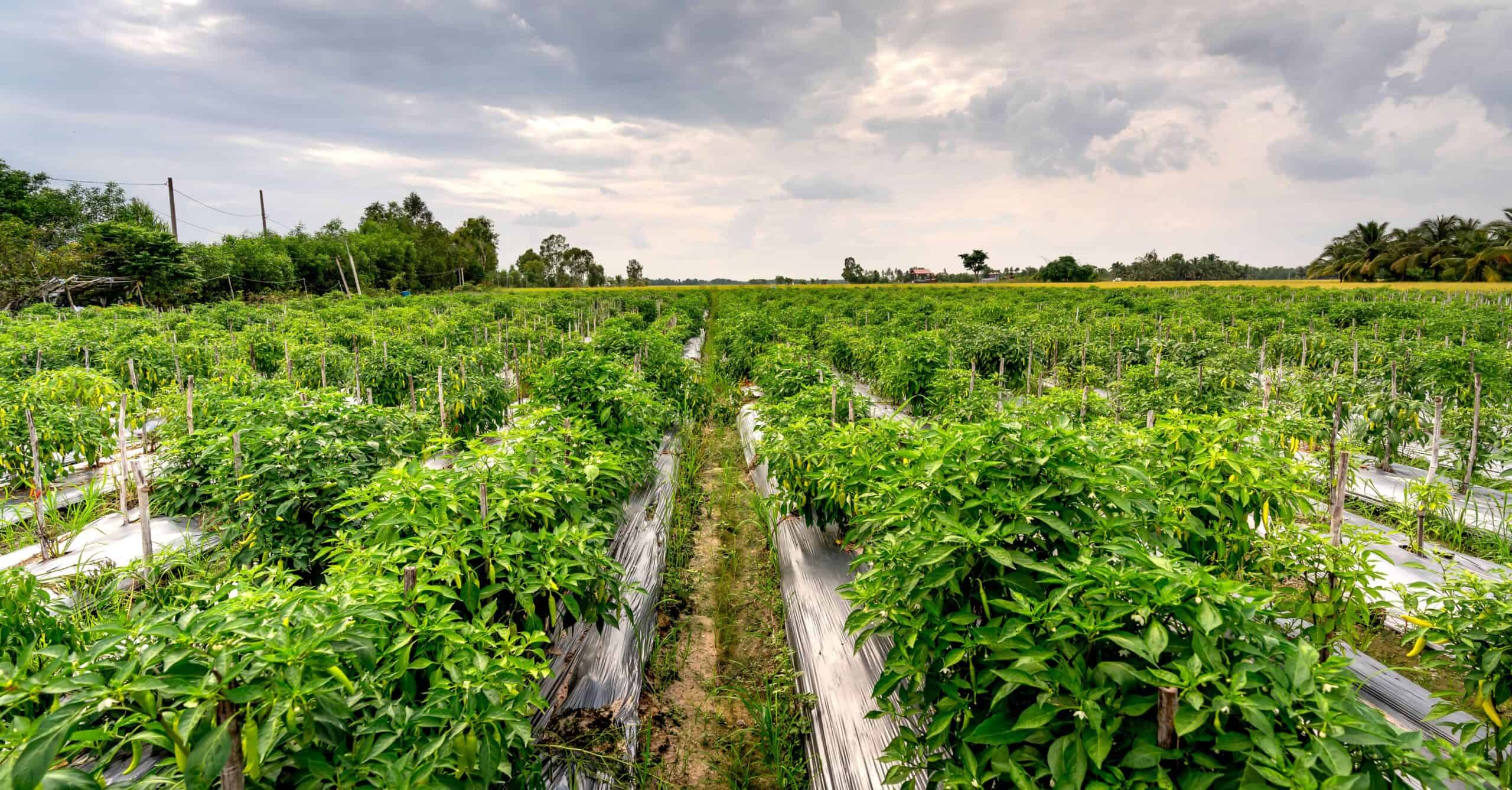
Nutrient management is an important component of building healthy soils. Organic fertilizers, many of which supply crop-essential nutrients in a slow-release manner, are known to improve soil health but can be difficult to implement, due to complexities timing nutrient availability with critical crop growth stages. Additionally, many organic fertilizers have a low nitrogen to phosphorus ratio relative to crop needs, which can result in the accumulation of excess phosphorus in the soil. An integrated fertilization program that pairs organic fertilizers with cover crops may better balance nutrient inputs from organic fertilizers with crop needs.
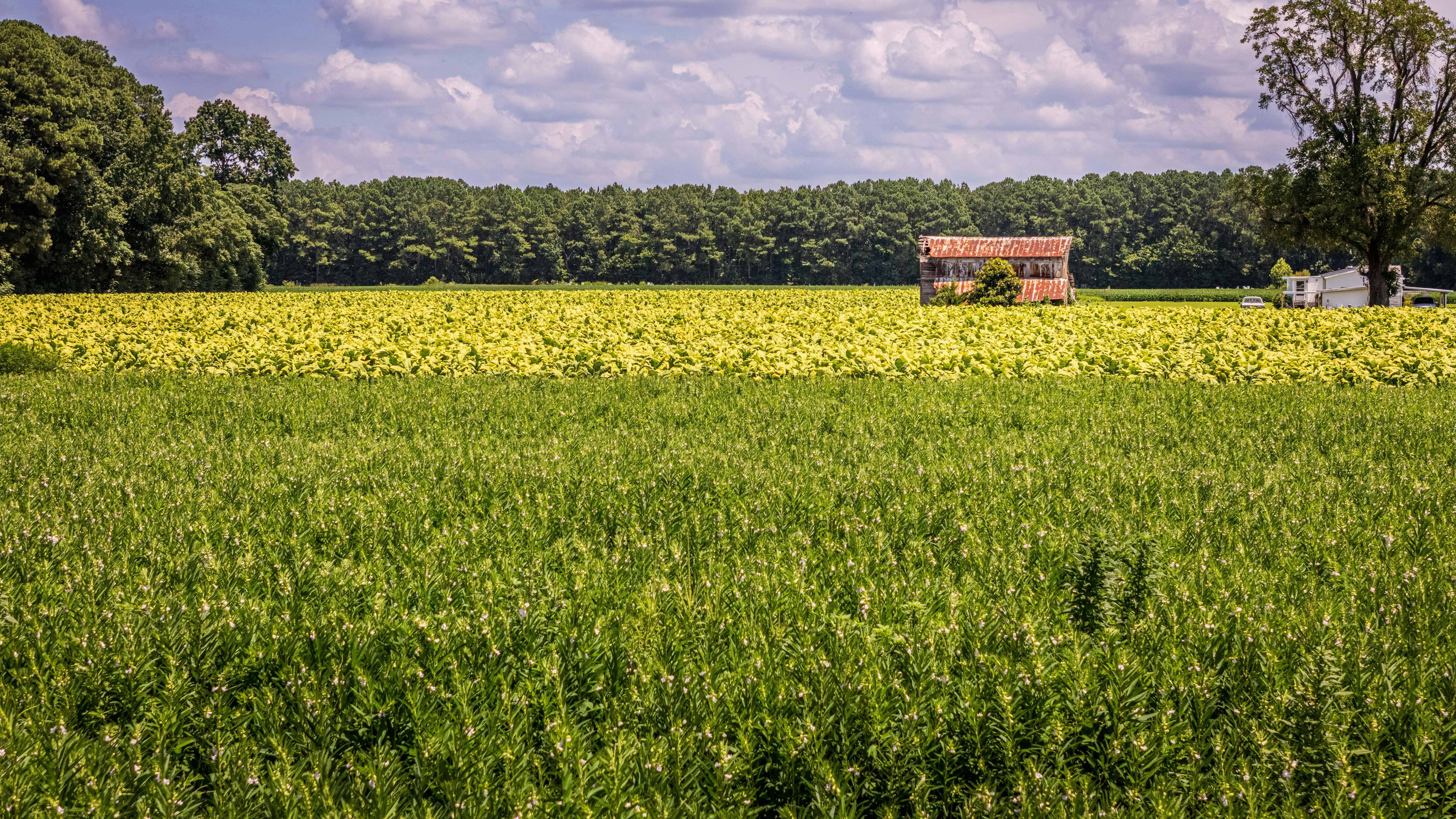
In this study, University of Florida scientists tested several integrated fertilizer/cover crop programs in organic vegetables. They evaluated the impacts of integrating summer cover crops with traditional organic slow-release fertilizers on biomass production and in-season vegetable growth.
Farmer Takeaways
- Summer cover crops had little-to-no impact on growth indicators for subsequent vegetable crops, despite accumulating significant cover crop biomass during the summer season.
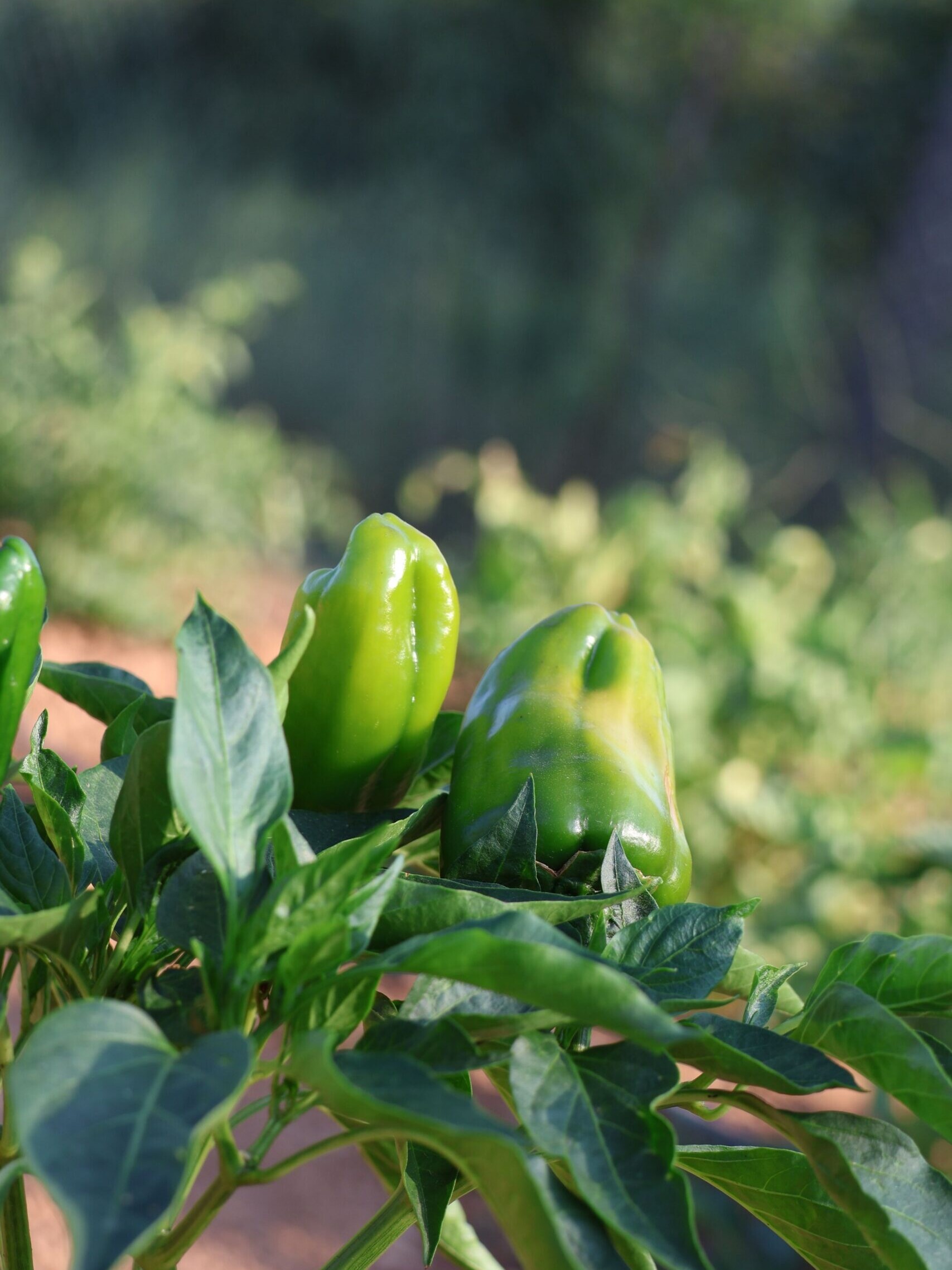
- Fertilization treatments had more of an impact on vegetable crop growth, with the pre-plant fertilization treatment producing taller/thicker zucchini and bell pepper plants during Year 1 than the integrated pre-plant/in-season fertigation treatment.
- Vegetables with longer growing seasons (i.e., pepper, zucchini) may perform better with larger, less-frequent fertilization events.
Project Objectives and Approach
Evaluate how organic fertilization approaches interact with summer cover crop mixes to affect vegetable crop growth and cover crop biomass
- A two-year, split-plot experiment was established in 2021 at the University of Florida Plant Science Research and Education Unit (Citra, FL) on three certified-organic vegetable fields. Three vegetable crops were grown (one crop type per field): bell pepper, zucchini, and bok choy. Treatments were repeated for each vegetable type and consisted of five summer cover crop mixes (whole-plot factor) and two organic fertilizer programs (sub-plot factor):
-
- Summer Cover Crop Treatments:
-
- Sunnhemp monoculture
- Sunnhemp + browntop millet biculture
- Sunnhemp + sorghum sudangrass biculture
- Sunnhemp + browntop millet + sorghum sudangrass + cowpea mixture
- Fallow (control)
-
- Organic Fertilizer Treatments:
-
- Pre-Plant: Organic N was supplied as heat-processed poultry manure and granular fertilizer during bed preparation to meet the crop’s full N demand.
- Integrated: 50% of the vegetable crop’s N demand was supplied as manure and granular fertilizer during bed preparation before planting, and the remaining 50% was supplied through in-season fertigation.
**Note: N requirements were calculated based on vegetable crop type and estimated inorganic plant-available N per fertilizer source
-
- Summer Cover Crop Treatments:
-
-
- Summer cover crops were seeded at staggered times to ensure termination dates that corresponded with planting dates for the subsequent vegetable crop. At cover crop termination, residues were incorporated into the soil via rototiller, and vegetable seedlings were transplanted into the prepared plots.
-
- **Note: To reduce pest and disease occurrence, crops were rotated among the three fields between years to prevent the same crop type from being grown in the same field consecutively.
-
- Data was collected on summer cover crop biomass, vegetable plant height, vegetable stem diameter, and relative chlorophyll content.
-
- **Note: Vegetable crop yield data was also collected, but was reported in a separate study.
-
- After the fall vegetable crop season, a winter rye cover crop was planted/grown to termination, followed by a spring chard crop.
Key Findings
Summer cover crops had little-to-no impact on growth indicators for subsequent vegetable crops, despite accumulating significant cover crop biomass during the summer season
- Every summer cover crop treatment grew well, producing thousands of pounds of biomass per acre. However, none of the cover crop treatments consistently improved height, stem diameter, or chlorophyll content for the following vegetable crops (bell pepper, zucchini, bok choy).
-
- Despite their limited effects on vegetable crop growth indicators, summer cover crops were effective at reducing summer weeds.
-
- Of the evaluated summer cover crop treatments, the sunnhemp + sorghum sudangrass biculture consistently produced the most biomass (sometimes by up to 60%), indicating that this cover crop mixture may perform particularly well under Florida growing conditions.
Preplant fertilizer improved zucchini and pepper growth indicators but did not affect bok choy growth
- In Year 1, the pre-plant fertilization treatment produced taller zucchini and pepper plants and thicker stems than the integrated fertilization treatment.
-
- **Note: For Year 2, the researchers adjusted the fertigation schedule in the integrated treatment so that fertilizer was applied fewer times throughout the growing season, but at correspondingly higher rates. This method seemed to perform better, and the differences in vegetable crop growth indicators between fertilization treatments decreased in Year 2.
- These findings emphasize the importance of fertilization timing and rate; if fertilizers are applied at frequent, small doses throughout the growing season, highly leachable nutrients may be be lost before plant roots can utilize them. For vegetable crops with longer growing seasons (i.e. bell pepper, zucchini), larger, less-frequent fertilization events may perform better.
-
- Bok choy performed similarly under both fertilizer treatments. The researchers postulated that bok choy (which has a shorter growing season than bell peppers or zucchini) may have received sufficient N from the granular pre-plant fertilization, before fertigation was even introduced to the integrated fertilizer treatment. These findings indicate that an integrated pre-plant/in-season fertilization strategy may be more suitable for short-season vegetable crops than long-season ones.
Resources
Freidenreich, A., Xu, N., Vincent, I., Ferreira, J. B.-N., Zhao, X., & Maltais-Landry, G. (2026). How Cover Crop Mixtures of Different Diversity and Fertilization Approaches Affect Organic Vegetable Production in Florida—Part 1: Cover Crop Biomass Production and In-season Vegetable Growth.
Read MoreLocation
FloridaCollaborators
Ariel Freidenreich, University of Florida
Nan Xu, University of Florida
Isaac Vincent, University of Florida
Julia Barro-Netto Ferreira, University of Florida
Region
Southeast
Topic
Soil Health, Crop Nutrient Management, Cropping Systems
Category
Vegetables/Fruits, Grain and Field Crops
Year Published
2025