Project Overview
Controlling weeds is a major challenge in specialty crop production, often relying heavily on tillage and chemical control strategies. However, due to the long-term negative impacts of repeated tillage on soil structure, organic matter, and microbial activity, as well as the environmental and health concerns associated with synthetic herbicide use, there is interest in finding alternative weed management strategies. Some examples of popular alternative weed management strategies include cover cropping, strategic crop rotation, mulching, flame weeding, and soil tarping.
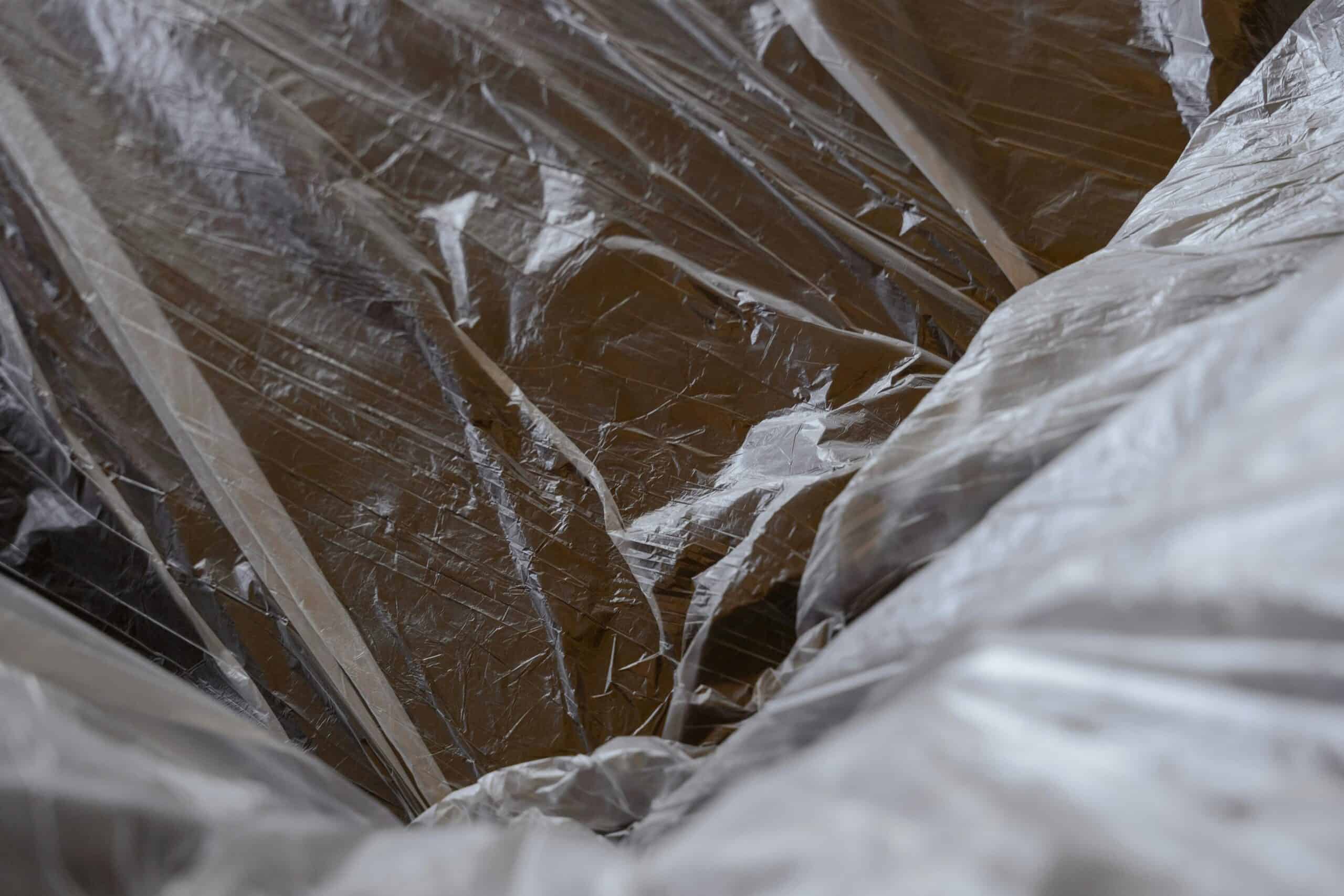
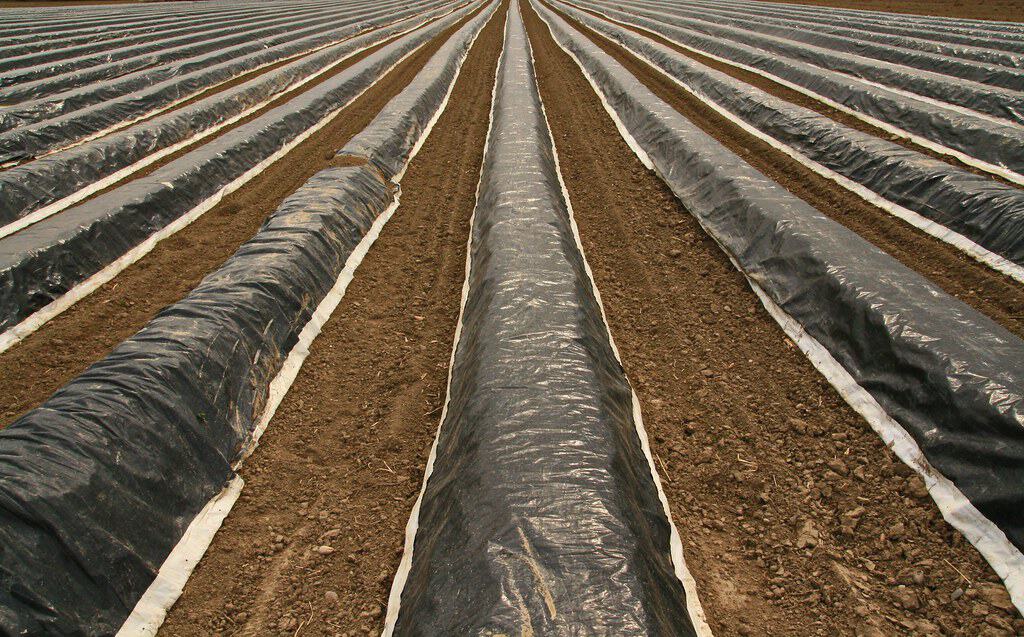
Soil tarping is the practice of covering soil with plastic tarps over the winter or in early spring (prior to cash crop planting) to reduce erosion, minimize nutrient leaching, and kill soilborne pathogens and weeds within the seedbank. The two most common tarping methods are solarization and occultation. Solarization uses clear plastic to harness energy from the sun and warm the soil. If soil temperatures are raised high enough, weed seeds, seedlings, and some soil pathogens may be killed, or weeds within the seedbank might germinate prematurely. Occultation uses an opaque tarp to prevent light from reaching the soil, thereby depriving existing weed seedlings or perennial plant parts of light needed for survival. Both tarping methods enable producers to ‘cleanse’ the soil of pests and pathogens that might otherwise have competed with or damaged the following cash crop.
Little research has been done on the impacts of soil tarping on soil health properties in the Midwest/Great Plains region. This study, conducted by South Dakota State University, evaluated the impacts of solarization and occultation on soil health metrics.
Farmer Takeaways
- Soil tarping (both via solarization and occultation) impacted soil temperature when applied early in the season, but did not significantly impact soil health indicators such as moisture, respiration, active carbon, and N.
- While none of the treatments reached soil temperatures high enough to kill germinated weeds, soil tarping can still serve as a useful weed management tool in the Midwest/Great Plains regions by manipulating pre-planting weed growth, either by suppressing (occultation) or advancing (solarization) germination.
Project Objectives and Approach
Evaluate the impacts of tarping method (solarization vs. occultation) and duration on soil health metrics prior to and during several onion growing seasons
- Field research was conducted at the South Dakota State University (SDSU) Specialty Crop field (Brookings, SD) during the 2023 and 2024 growing seasons.
-
- Three types of tarps were evaluated: (1) black silage tarps, (2) white silage tarps, and (3) clear greenhouse plastic. A bare ground control was also established.
- Each type of tarp was placed at 6-, 4-, or 2-weeks prior to onion (Allium cepa) planting.
-
- Soil temperature and moisture probes were installed at 10-cm soil depths in each plot prior to tarping and programmed to record temperature and moisture data hourly for the duration of the tarping period. After all tarps were removed in May, soil samples were collected and analyzed for soil respiration, permanganate oxidizable carbon (POXC), and autoclaved citrate extractable (ACE) soil tests.
-
- The clear tarp and bare ground control treatments were lightly tilled prior to onion planting to clear out any germinated weeds.
-
- Onions were seeded in a greenhouse in late February and transplanted by hand into the post-tarp soil plots in mid-late May. Onions were irrigated weekly as needed via drip tape (rainfall equivalent target rate of 1″/week) and fertigated two to three times during the growing season.
-
- Moisture and temperature sensors were reinstalled for the onion growing season, and soil samples were collected at onion harvest (late August) and analyzed for the same properties as before.
-
Key Findings
Soil Temperature
- When analyzed separately by year, all clear tarp treatments showed higher soil temperatures than the untarped control and occultation (white tarp & black tarp) treatments.
-
- The highest soil temperature recorded was 29.56°C, which occurred 1 day before tarp removal in the 6-week clear tarp treatment.
- **Note: Most weed seeds germinate and grow between 20 and 45°C. To kill weed seedlings and seeds, soil temperatures must reach 40-65°C. None of the solarized treatments in this study reached temperatures high enough to kill germinated weeds.
-
- In general, black tarps resulted in higher soil temperatures than both white tarp and untarped control treatments. White tarps resulted in the lowest average soil temperatures, below those observed in the untarped control, suggesting that white tarps effectively reflect sunlight and have a cooling effect.
Soil Moisture
- Immediately after tarp application, higher soil moisture was noted in occultation treatments than in the clear tarp and untarped control treatments. However, by the final week of each tarping period, there were no significant differences in soil moisture between treatments.
- Once tarps were removed, soil moisture readings became more variable, both by treatment (tarping duration and type) and by year.
-
- Soil moisture was lower in the clear tarp and untarped control treatments than in the occultation treatments after tarp removal, tillage, and onion planting; however, this could have been due to tillage-induced soil moisture loss in the clear tarp and control treatments, which were the only two treatments to receive tilling prior to onion planting.
-
Soil Health Metrics (Respiration, POXC, ACE)
- No significant differences were observed among treatments for soil respiration, POXC, or ACE protein at tarp removal.
-
- Despite not being statistically significant, the researchers observed that average POXC, ACE, and CO2-C values tended to be higher at surface level in white tarp treatments than in black or clear tarp treatments.
-
- No significant differences were observed among treatments for soil respiration, POXC, ACE protein, nitrate, ammonium, or organic matter after onion harvest. These findings suggest that early-season soil tarping in the cooler climate of the Great Plains/Midwest regions may not result in soil temperature/moisture conditions extreme enough to significantly impact other soil health parameters throughout the growing season of the cash crop (i.e. onion).
Resources
Voye, H., Graham, C., Burrows, R., & Lang, K. M. (2025). Improving reduced tillage vegetable systems for the Northern Great Plains: How does early season soil tarping (solarization and occultation) impact soil health? Agrosystems, Geosciences & Environment, 8(4), e70230.
Read MoreArticle - "SDSU Provides Updated Recommendations on Soil Tarping"
Read MoreLocation
South DakotaCollaborators
Hannah Voye, South Dakota State University
Christopher Graham, South Dakota State University
Rhoda Burrows, South Dakota State University
Region
Plains
Topic
Soil Health, Weed Management, Disease Management
Category
Vegetables/Fruits
Year Published
2025