Project Overview
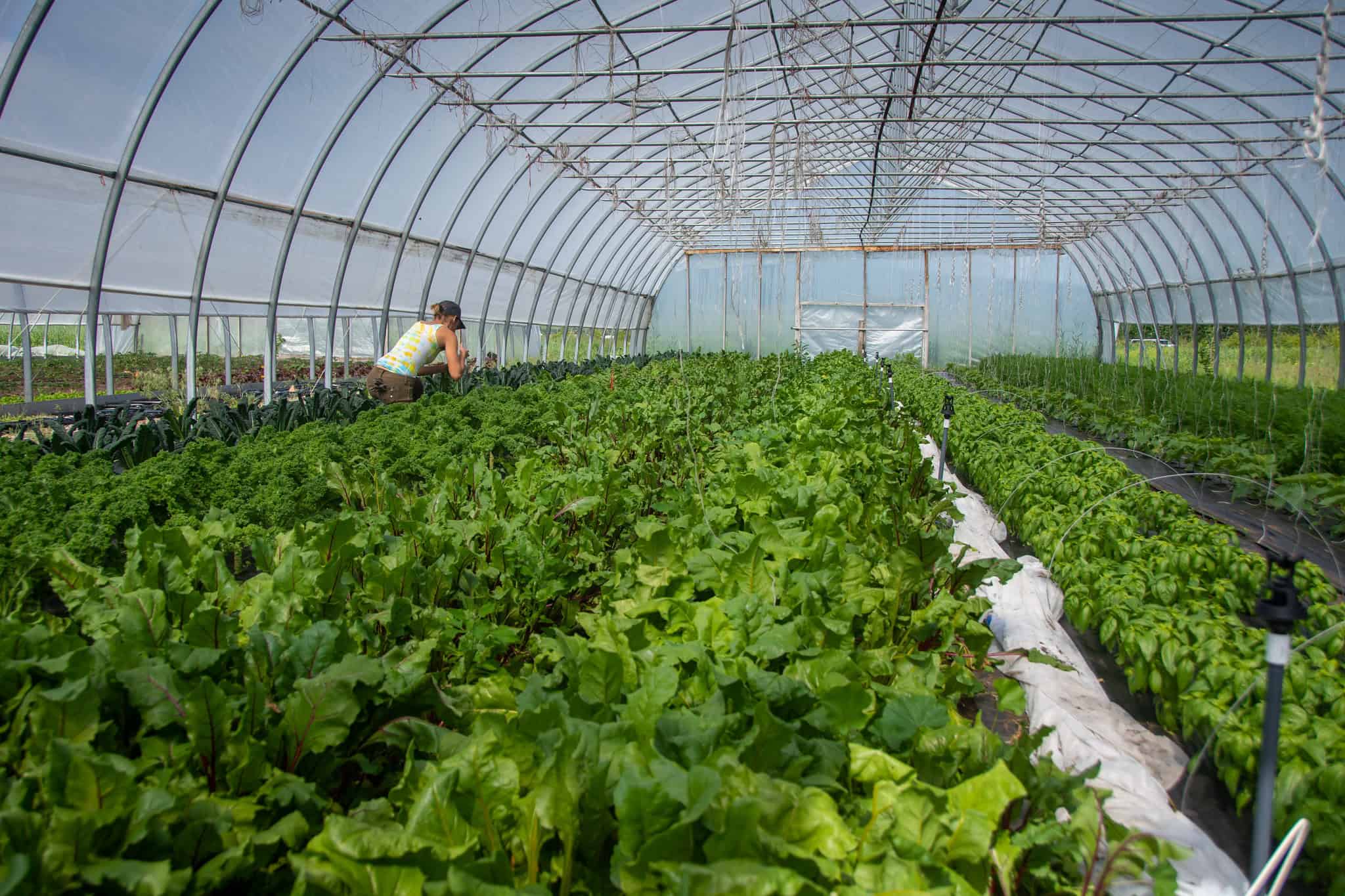
Anaerobic soil disinfestation (ASD) is an emerging, NOP-compliant alternative to soil fumigation for managing soilborne pests, weeds, and diseases. Decomposable organic material is tilled into the soil, then covered with an air-tight tarp and irrigated to saturation. The resulting burst of anaerobic activity can inhibit crop pathogens, kill weeds within the soil seedbank, and promote a disease-suppressive soil microbiome when aerobic conditions are restored. ASD has been trialed in several crops and has shown promise as an organic disease management strategy in berry and vegetable production systems.
Inoculation with beneficial microbes is another promising organic disease management strategy. Certain microbes, such as Bacillus spp., can act as bio-control agents, inhibiting plant pathogens while simultaneously promoting plant growth.
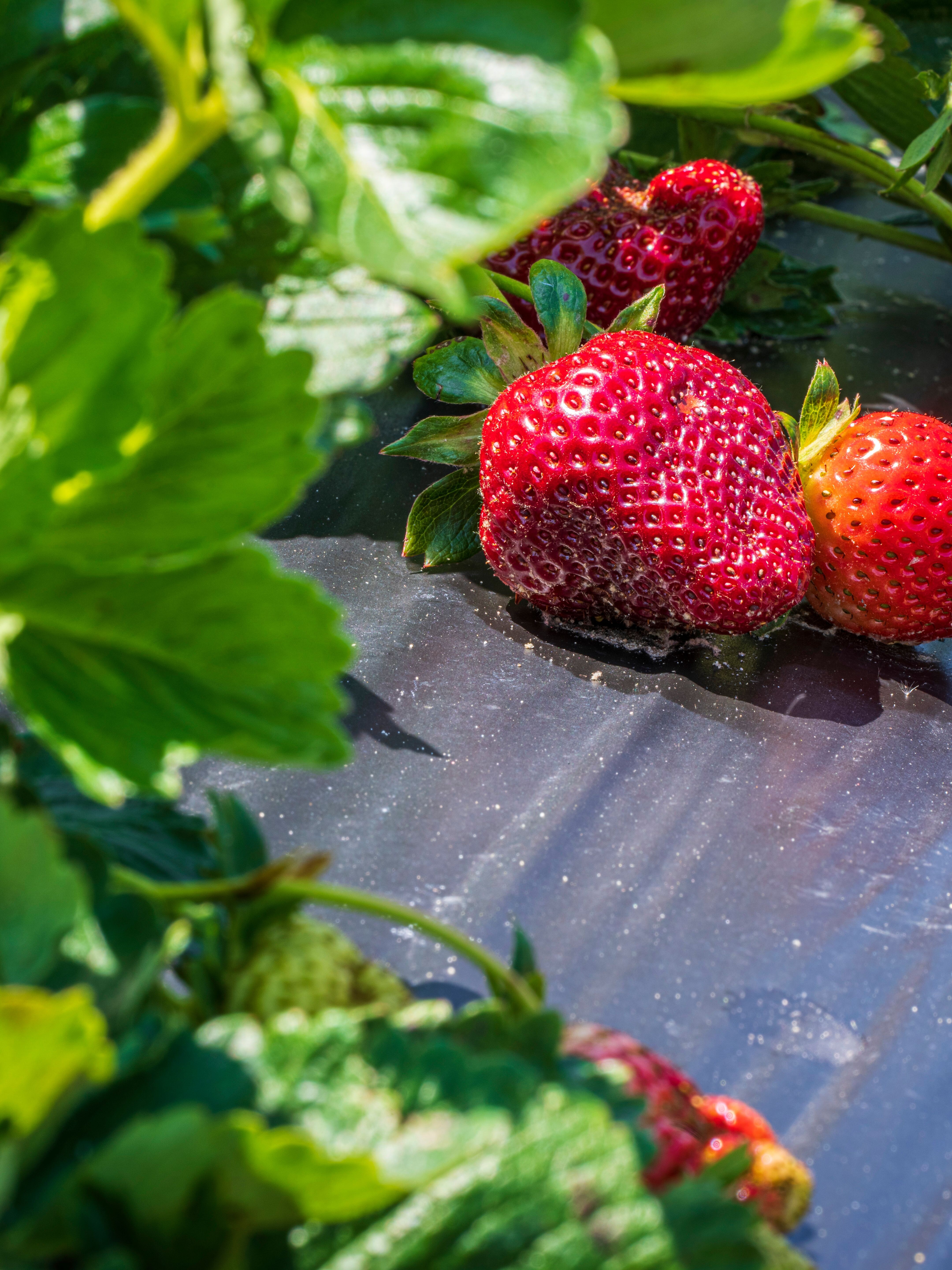
In this study, researchers at Virginia Tech evaluated the efficacy of anaerobic soil disinfestation (with and without microbial soil inoculation) and chemical soil fumigation as strategies for managing fruit rot, weeds, and post-harvest fruit quality in strawberries.
Farmer Takeaways
- Anaerobic soil disinfestation (ASD) reduced anthracnose and botrytis, two common types of strawberry fruit rot, when compared to a nontreated control and chemical fumigation.
- Post-plant microbial soil inoculations of Bacillus further reduced fruit rot and were particularly effective when combined with ASD.
- Anaerobic soil disinfestation provided several additional benefits, including weed control, improved fruit firmness, and increased total soluble solids (a measure of fruit sweetness and flavor).
Project Objectives and Approach
Trial anaerobic soil disinfestation combined with soil inoculants for fruit rot management in strawberries
Experimental Set-Up:
- Researchers established a split-plot experiment at the Hampton Road Agricultural Research and Extension Center (Virginia Beach, VA) in 2022.
- Pre-Plant (Main Plot) Treatments:
- Nontreated control
- Chemical fumigation with Pic-Clor 60 (1,3-Dichloropropene and chlorpicrin)
- Anaerobic soil disinfestation (see below)
- Post-Plant (Split-Plot) Treatments:
- Nontreated control
- Bacillus velezensis soil inoculant
- TerraGrow: a commercial Bacillus inoculant
- TerraGrow + OxiDate 5.0 fungicide (hydrogen peroxide + peroxyacetic acid)
- Pre-Plant (Main Plot) Treatments:
- Anaerobic soil disinfestation was performed by broadcasting brewer’s spent grain and paper mulch at about 2 tons/acre each prior to soil incorporation, bed formation, and plastic application. Soils were then drip irrigated beneath the plastic to 23% volumetric water content (as measured with a moisture probe), and allowed to undergo fermentative decomposition for 21 days.
- Planting holes were punched in the plastic film for both pre-plant treatments, and strawberries (var. ‘Chandler’) were seeded. Strawberries received standard post-plant fertilization and irrigation throughout the growing season.
- Post-plant microbial inoculant treatments were applied as soil drenches directly into the planting holes multiple times during the fall and spring.
Data Collection:
- Soil moisture, temperature, and oxidation-reduction potential sensors collected data throughout the experiment.
- Strawberry yield, including total yield, unmarketable yield, and damaged fruit from anthracnose and botrytis (two common types of fruit rot), was collected throughout the experiment. Researchers tested some marketable fruit for fruit firmness, pH, and total soluble solid content.
- Weed emergence in strawberry planting holes was also monitored.
Key Findings
Anaerobic soil disinfestation reduced fruit rot incidence and improved post-harvest strawberry fruit quality when compared to the nontreated control and chemical fumigant treatment
- Fruit rot was reduced by anaerobic soil disinfestation in every comparison against the nontreated control and chemical fumigant, for both anthracnose and botrytis.
- All three post-plant microbial soil inoculant treatments worked in combination with anaerobic soil disinfestation, further reducing anthracnose incidence. However, soil inoculant performance differed across growing seasons.
- Anaerobic soil disinfestation improved fruit quality compared to chemical fumigation. Strawberry fruits were firmer, had higher total soluble solids, and higher pH.
- Anaerobic soil disinfestation reduced weed density for certain weed species (i.e., henbit, ryegrass, and white clover) during at least one growing season, but did not have any effect on other weed species (i.e., common vetch).
Resources
Aljawasim, B. D., Richardson, P., Mei, C., Chretien, R. L., Lowman, J. S., & Samtani, J. B. (2025). Integrated effects of anaerobic soil disinfestation and beneficial microbes in strawberry production. PLOS ONE, 20(12), e0336999.
Read MoreLocation
VirginiaCollaborators
Baker Aljawasim, Virginia Tech
Patricia Richardson, Virginia Tech
Chuansheng Mei, Institute for Advanced Learning and Research
Robert Chretien, Institute for Advanced Learning and Research
Scott Lowman, Institute for Advanced Learning and Research
Region
Southeast
Topic
Soil Health, Weed Management, Disease Management, Post-Harvest Quality and Safety
Category
Vegetables/Fruits
Year Published
2025