
OFRF's Organic Research Hub
Your gateway to organic farming research
The Hub is a curated collection of scientific and technical resources to help organic farmers understand and solve their production challenges.
Search for technical resources on organic farming, browse the directory of organic farming experts, or look through the repository of USDA-funded organic research projects.

1. Resources
Find research summaries, factsheets, webinars, and other resources collected from the nation’s top organic farming organizations, research scientists, and supporting institutions.

2. Directory of Experts
Search the map or listings for an organic farming expert near you.

3. Research Grant Database
Explore more than two decades of organic farming research projects funded by USDA-OREI and ORG grant programs.
6 resources found
Webinar: How to Manage Spider Mites in Tomatoes with Predatory Mites
Join eOrganic's webinar on conserving predatory mite Phytoseiulus persimilis for spider mite control. Learn about optimal predator release and rearing techniques. Funded…
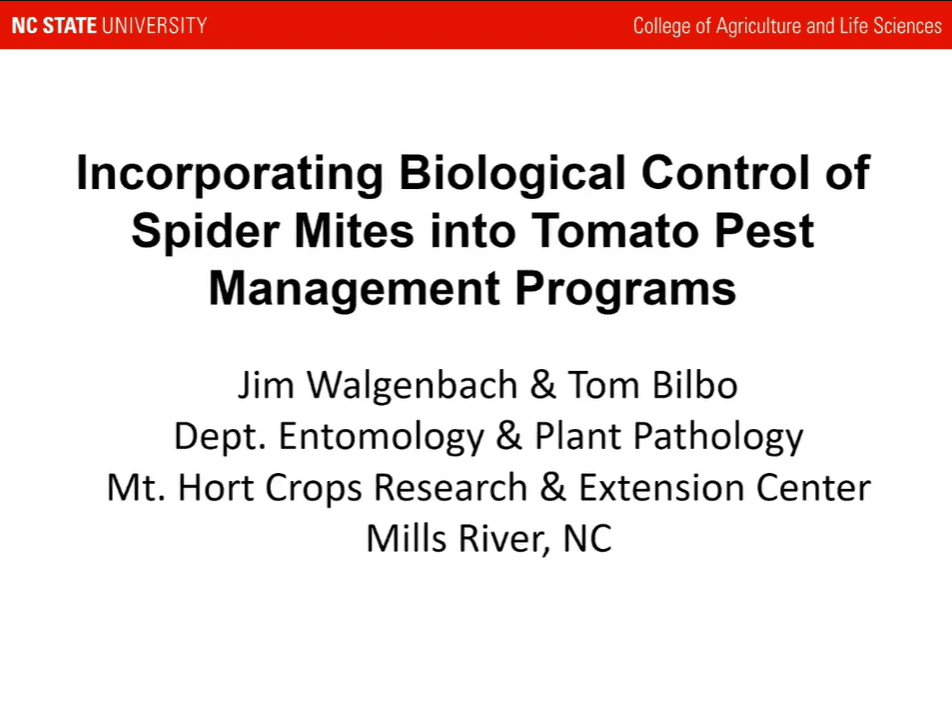
Webinar: How to Manage Spider Mites in Tomatoes with Predatory Mites
Join eOrganic's webinar on conserving predatory mite Phytoseiulus persimilis for spider mite control. Learn about optimal predator release and rearing techniques. Funded by NIFA OREI, this project supports biocontrol in southeastern vegetable farming.
Incorporating Biological Control of Spider Mites into Tomato Pest Management Programs
Join this webinar to learn effective biological control of spider mites in tomatoes using predatory mite Phytoseiulus persimilis. Discover release strategies, conservation…

Incorporating Biological Control of Spider Mites into Tomato Pest Management Programs
Join this webinar to learn effective biological control of spider mites in tomatoes using predatory mite Phytoseiulus persimilis. Discover release strategies, conservation techniques, and rearing methods for sustainable pest management.
Spider Mites—Botanical Control Formulations
This tipsheet, produced by ATTRA NCAT, reviews botanical control options for spider mites, covering essential oils, cilantro, aloe vera, bugleweed, and mimosa…
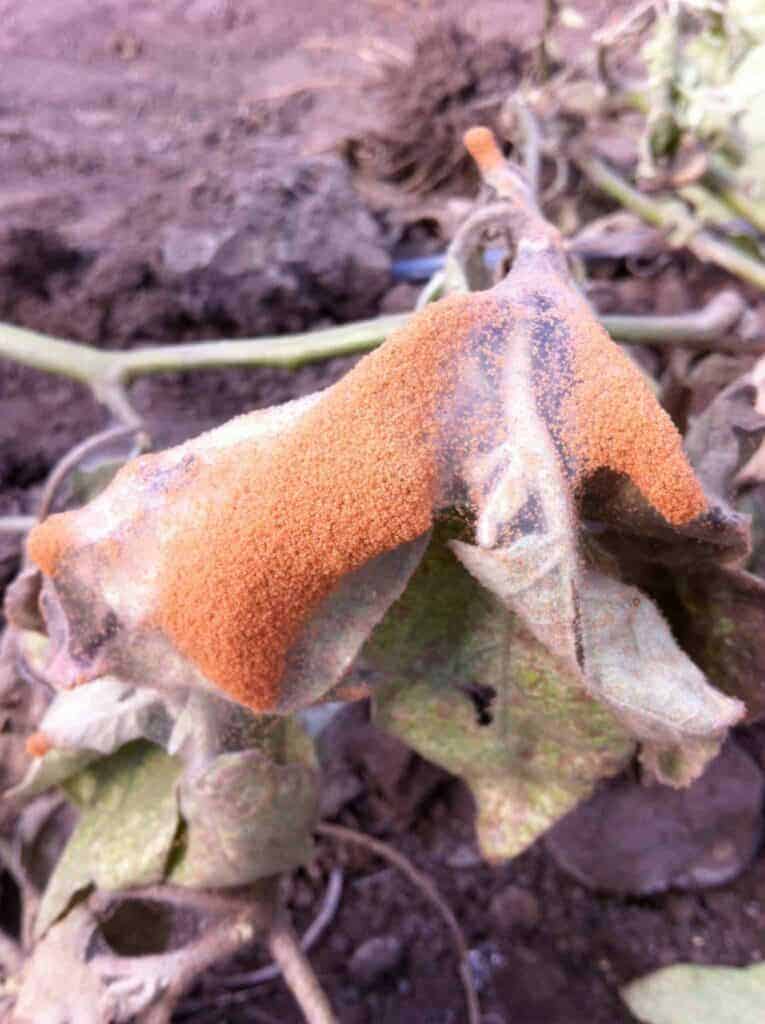
Spider Mites—Botanical Control Formulations
This tipsheet, produced by ATTRA NCAT, reviews botanical control options for spider mites, covering essential oils, cilantro, aloe vera, bugleweed, and mimosa extracts. It summarizes research on each botanical's effectiveness, provides practical preparation and application guidance, and advises growers to combine treatments with environmental manipulation — such as increasing humidity and reducing plant stress — to achieve best results.
Developing and Implementing Biological Control Tactics for Key Insect Pests in the Southeastern United States: Summary of Findings from a NIFA OREI Project
Discover findings from a collaborative 2018 research project aimed at enhancing biological control of spider mites and whiteflies in organic cucurbit and…

Developing and Implementing Biological Control Tactics for Key Insect Pests in the Southeastern United States: Summary of Findings from a NIFA OREI Project
Discover findings from a collaborative 2018 research project aimed at enhancing biological control of spider mites and whiteflies in organic cucurbit and tomato systems, supported by a NIFA OREI grant across several universities.

Hops Show Potential as Complement to Orchard Systems: Adapting Organic Apple Practices for Great Lakes Region Organic Hops Production
The high value of organic hops, which can reach up to $10,000 per acre in gross revenue, makes them an attractive crop…

Hops Show Potential as Complement to Orchard Systems: Adapting Organic Apple Practices for Great Lakes Region Organic Hops Production
The high value of organic hops, which can reach up to $10,000 per acre in gross revenue, makes them an attractive crop for small to midsize organic farms. Organic apple farmers may find hops production particularly suitable due to the simil…
Leaf Sap Brix and Leafhoppers in Vineyards
Integrated Pest Management (IPM) with a "Plant Positive" approach focuses on addressing the underlying causes of pest outbreaks rather than merely treating…
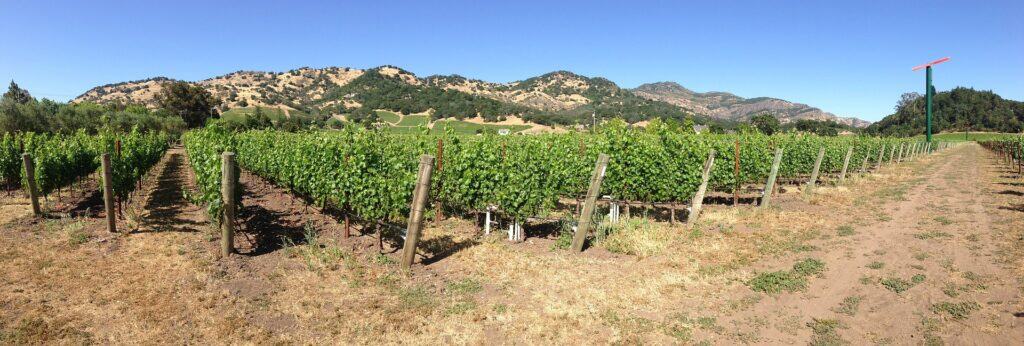
Leaf Sap Brix and Leafhoppers in Vineyards
Integrated Pest Management (IPM) with a "Plant Positive" approach focuses on addressing the underlying causes of pest outbreaks rather than merely treating symptoms. This perspective, championed by agricultural thinkers like Eliot Coleman,…
6 resources found