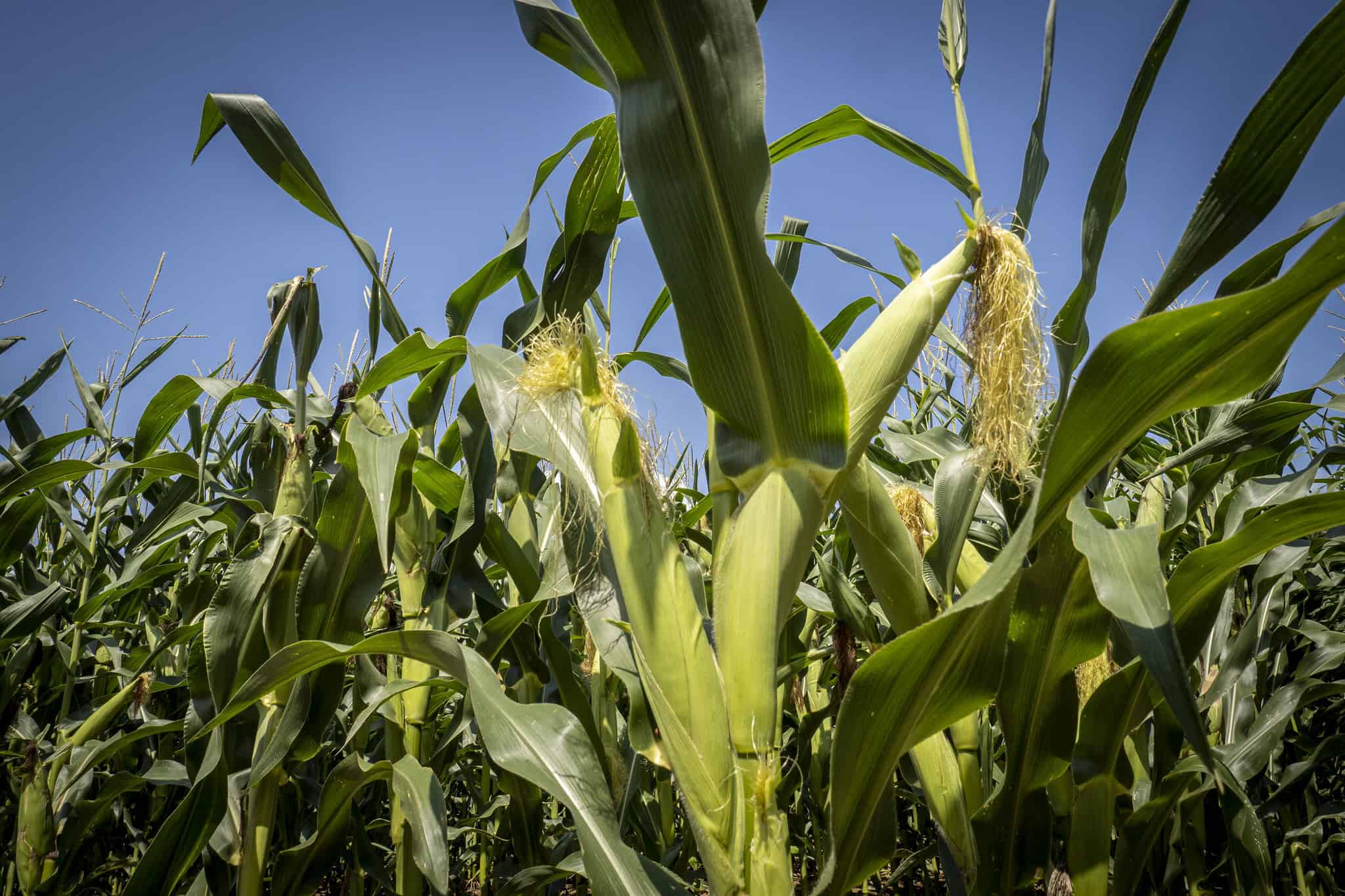
Organic No-Till Corn Production: Cover Crop and Starter Fertilizer Considerations
Explore effective cover crop management and starter fertilizer strategies to enhance organic no-till corn yields. This…

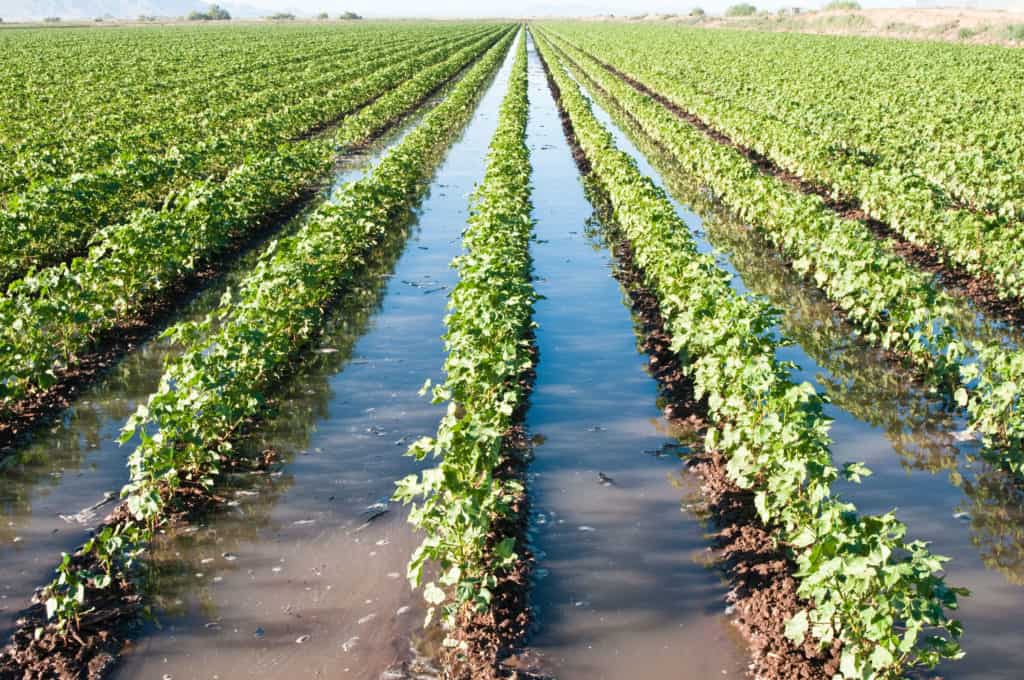
Strategies for Combating Drought, Flooding, and Nutrient Loss
Explore insights from experts in California, Vermont, and Illinois on how organic farming methods can combat the…

Chemically And Biologically-Designed Compost Extract: A Potential Tactic For Biological Control Of Weeds
Explore biological control of weeds using compost extracts to enhance soil health, minimize crop losses, and promote…

Shade Avoidance: Can We Breed for Weed Resistance?
Discover how Rodale Institute's greenhouse studies since 2015 are breeding crops for weed tolerance. Explore the…

Use of Chemically- and Microbially-Designed Compost Extracts for Managing Weeds
This article explores how designed compost extracts can effectively manage weed biomass, improve soil physical…

Reduced-Tillage Increases Nutrient Concentrations in Stored Winter Squash
Discover how reduced-tillage practices enhance nutrient quality in winter squash. This research trial with Quiet Creek…

3 Ways to Monitor Insect Populations on Your Farm
This resource provides farmers and researchers with effective methods for trapping and identifying pests and beneficial…

How to Plant Insectary Strips and Which Plants to Use
Discover how pesticide-free habitats, particularly flowering insectary strips, can support beneficial insects and help…

Field Guide: Controlling Striped Cucumber Beetles with Insectary Strips
This resource details research from Rodale Institute (2015-2018) on using flowering insectary strips to manage striped…
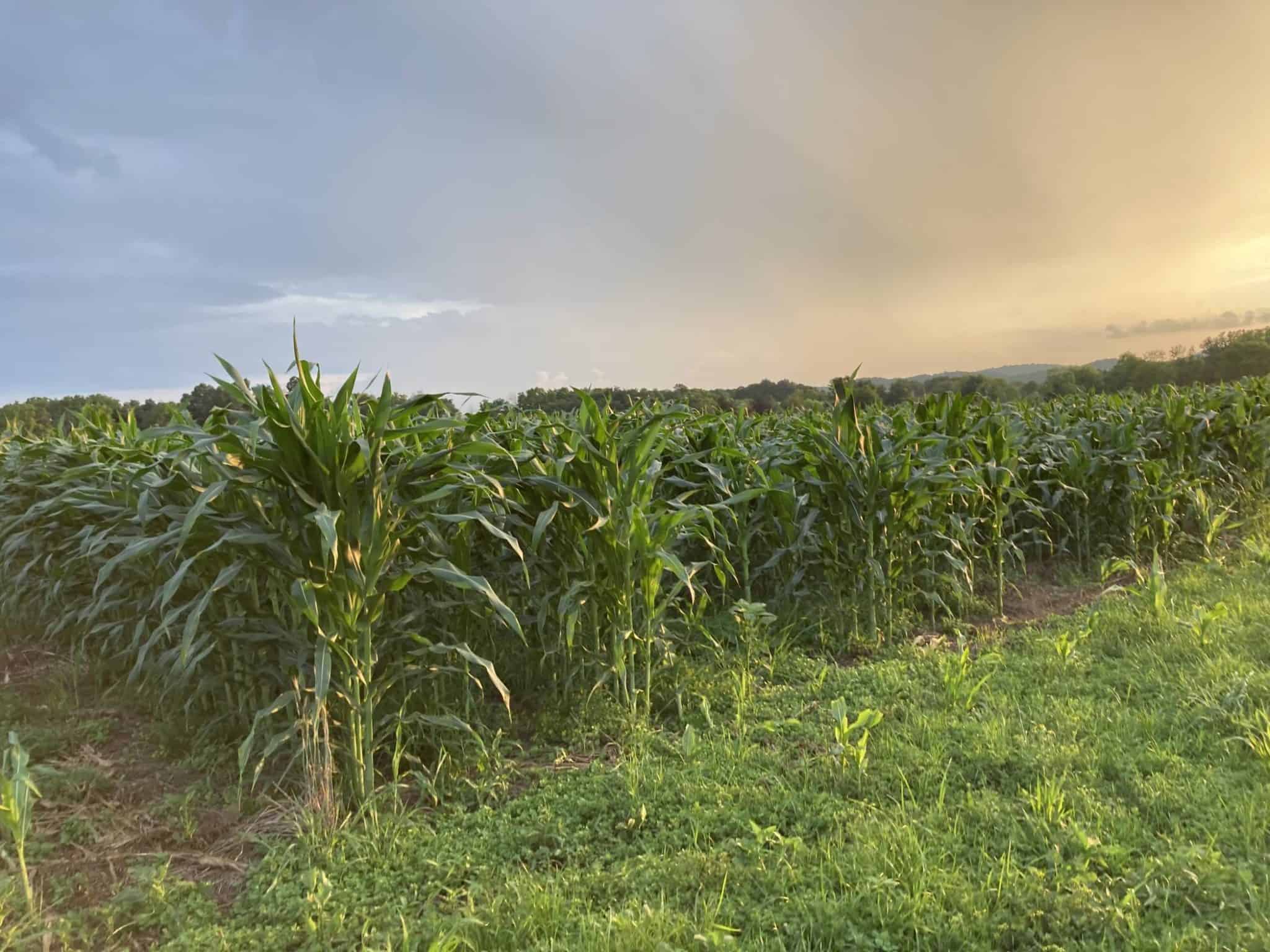
‘Organic No-Till’ Helps Farmers Succeed
Discover innovative 'organic no-till' systems with Daniel Brubaker and Rodale Institute, focusing on organic corn…