Project Overview
Cover crops can be beneficial to organic vegetable producers, providing weed suppression, reducing soil erosion, and improving overall soil health. Cover cropping can be implemented in many different cropping systems by utilizing both warm- and cool-season cover crop species that thrive under region-specific growing conditions.
Organic vegetable growers in Alaska face particularly steep production challenges, given their extremely short growing season. This study evaluated cover cropping as a potentially viable management practice for Alaskan vegetable growers. Developing and demonstrating cover cropping practices is an important first step to wider implementation. Beginning in 2020, a group of organic vegetable producers in Alaska began developing summer cover crops to protect soils and suppress weeds in following years. They conducted field trials to evaluate the performance of several cover crop mixes, as well as the impact of cover crop planting date, in a cropping system constrained by narrow planting and termination windows.
Farmer Takeaways
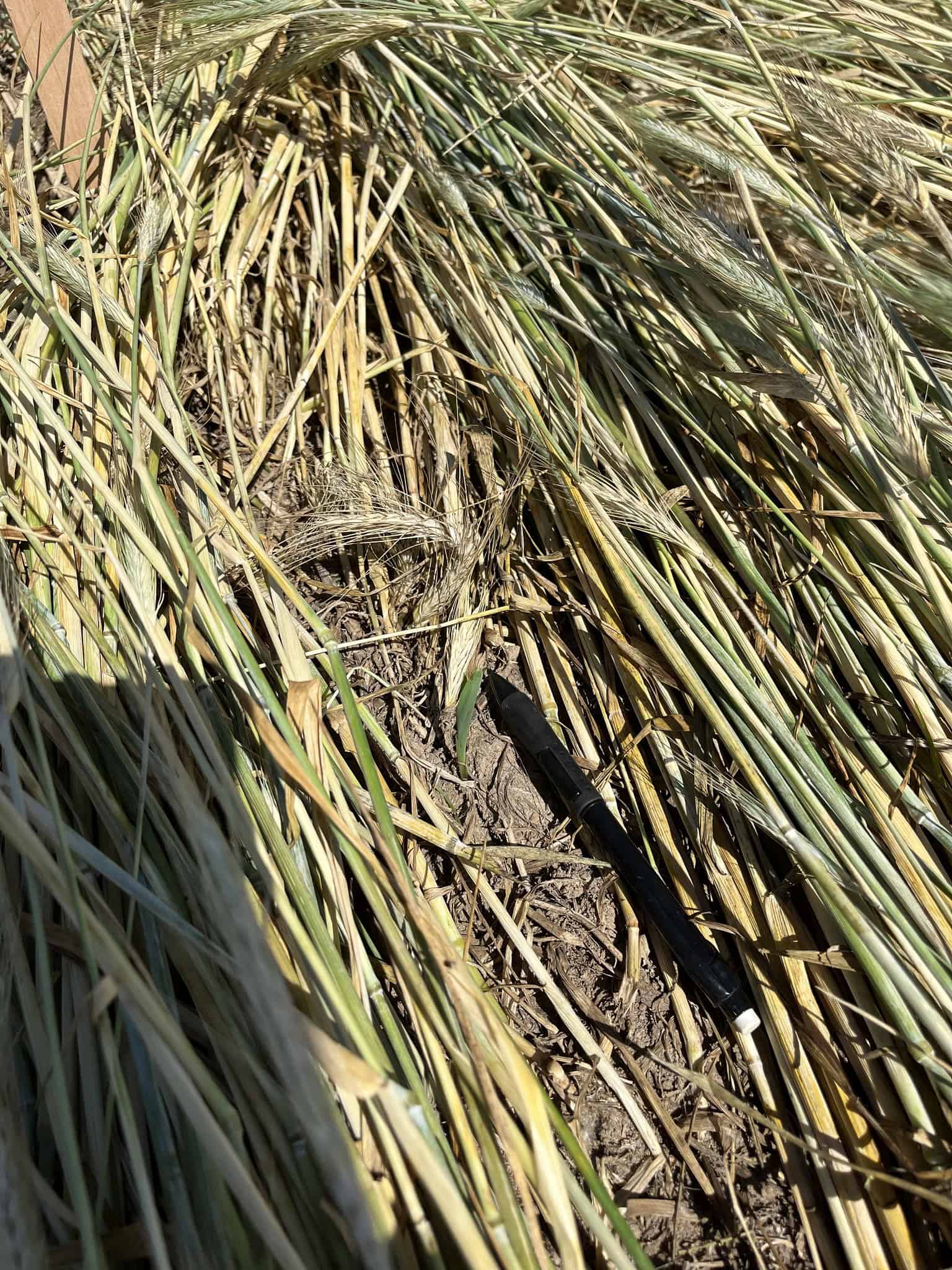
- Oats may be a viable summer cover crop for Alaskan vegetable growers seeking longer-term weed suppression/soil health benefits, as oat residue from one summer growing season persisted for two subsequent summer brassica growing seasons.
- Other cover crop mixes, including broadleaf species and warm-season grasses, did not produce lasting cover crop residue.
- Sourcing specialized equipment (i.e., no-till planters, roller-crimpers) to Alaska is difficult; as such, Alaskan growers face significant infrastructural barriers to widespread cover crop implementation.
Project Objectives and Approach
Identify suitable summer cover crop species for Alaskan vegetable production systems
- A series of field trials were conducted by several small-scale, commercial vegetable growers in the Matanuska-Susitna region (northeast of Anchorage). Producers tested different cover crop mixes at multiple planting dates throughout early and late summer.
-
- Cool-Season Cover Crop Mixes:
Combinations of small grain and legume species, seeded in late summer into a stand of forage radish (established as a spring cover). - Warm-Season Cover Crop Mix:
Sudex-cowpea mix, seeded in early summer into a stand of forage radish (established as a spring cover).
- Cool-Season Cover Crop Mixes:
-
- All cover crop mixes were terminated via crimping before plants went to seed (or after the first frost).
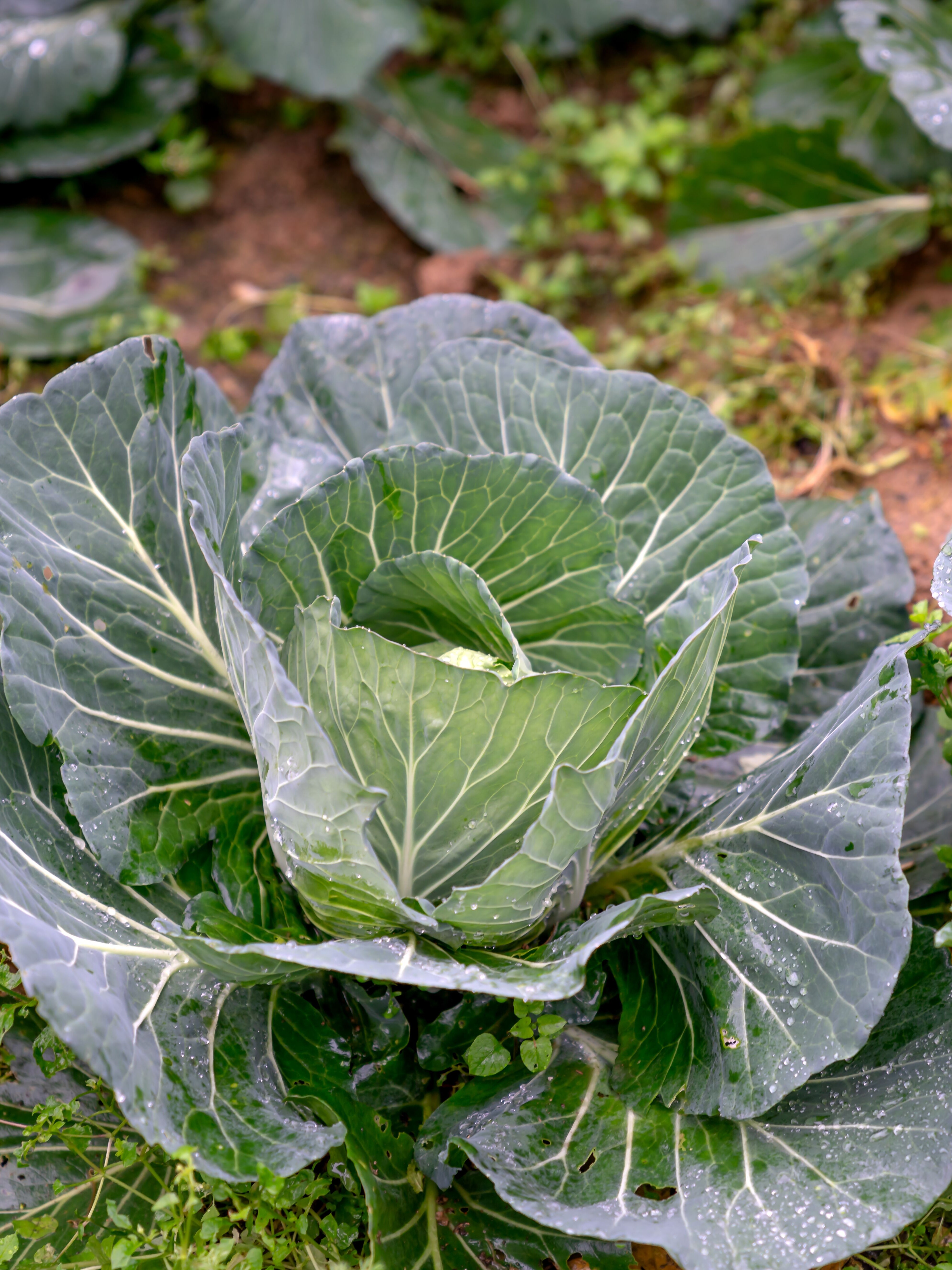
- Cabbage and other brassica crops were grown in the cover crop plots for two consecutive years after cover crop termination. Weed pressure and crop yield were measured.
- **Note: The grower-researchers observed that, throughout the first brassica growing season following cover crop termination, cover crop residues were most persistent in plots previously seeded with mixes containing oats. Based on these observations, the growers conducted additional trials with varying levels of oat residue.
Develop tools/best practices for managing high-residue cover crops in Alaskan vegetable production systems, and identify region-specific challenges to cover cropping
- In order to source the equipment needed for this study (given the limited availability of no-till planters and roller-crimpers in Alaska), grower-researchers worked with local fabricators and equipment dealers outside of Alaska.
- Given the significant delays in obtaining the necessary equipment (particularly a no-till planter), the grower-researchers developed less-mechanized approaches to planting and crimping cover crops for this project.
Key Findings
Oat cover crop residues persisted the longest out of the evaluated cover crop mixes and provided the greatest weed suppression/soil health benefits to subsequent brassica crop growing seasons
- In the cover crop field trials, only mixes containing oat resulted in residues that persisted into the second year of the study. Cool-season mixes of broadleaf species decomposed during the extended winter between growing seasons, as did the warm-season sudex-cowpea mix. These results suggest that oats may be a viable summer cover crop for Alaskan vegetable growers seeking longer-term weed suppression/soil health benefits.
- Oat cover crop residues successfully suppressed weeds throughout subsequent vegetable crop (cabbage) growing seasons.
Specialized equipment is necessary for cover crop management in cropping systems with narrow planting/termination windows (such as in Alaska), but can be extremely difficult to source/obtain
- Growers faced significant challenges sourcing equipment for this study. It took over three years to source parts to build a no-till planter, and multiple equipment dealers in the lower 48 U.S. states were unable to ship parts to Alaska.
-
- Plans for mounting the no-till planter (once obtained) to the underbelly of a cultivator tractor were revised to a pull-behind design, based on equipment availability/tractor limitations.
- These findings indicate that there are significant infrastructure/market limitations in Alaska that make implementing practices such as cover cropping incredibly difficult.
-
- Growers were unable to obtain/build a roller-crimper. Instead, they used aluminum c-channel stock (lightweight, extruded metal shaped like a “C” with a flat back and two perpendicular flanges) to crimp cover crops by hand.
Resources
Alaska vegetable production using a high residue cover crop system to reduce erosion and decrease weeds – Final Report for FW20-361. (2022). Sustainable Agriculture Research and Education (SARE) Projects.
Read MoreLocation
AlaskaCollaborators
Michelle Jezeski, USDA NRCS
Anne-Corinne Kell, Sun Circle Farm
Ben VanderWeele, VanderWeele Farms, LLC
Region
Northwest
Topic
Soil Health, Weed Management, Cropping Systems
Category
Vegetables/Fruits
Year Published
2024