OFRF's Organic Research Hub
Your gateway to organic farming research
The Hub is a curated collection of scientific and technical resources to help organic farmers understand and solve their production challenges.
Search for technical resources on organic farming, browse the directory of organic farming experts, or look through the repository of USDA-funded organic research projects.

1. Resources
Find research summaries, factsheets, webinars, and other resources collected from the nation’s top organic farming organizations, research scientists, and supporting institutions.

2. Directory of Experts
Search the map or listings for an organic farming expert near you.

3. Research Grant Database
Explore more than two decades of organic farming research projects funded by USDA-OREI and ORG grant programs.
10 resources found
Protective Row Covers for Management of Flea Beetles in Organic Eggplant Production in the Southeastern US
Flea beetles are a major insect pest of eggplants. For organic producers, organic insecticides are one management strategy for flea beetles; however,…
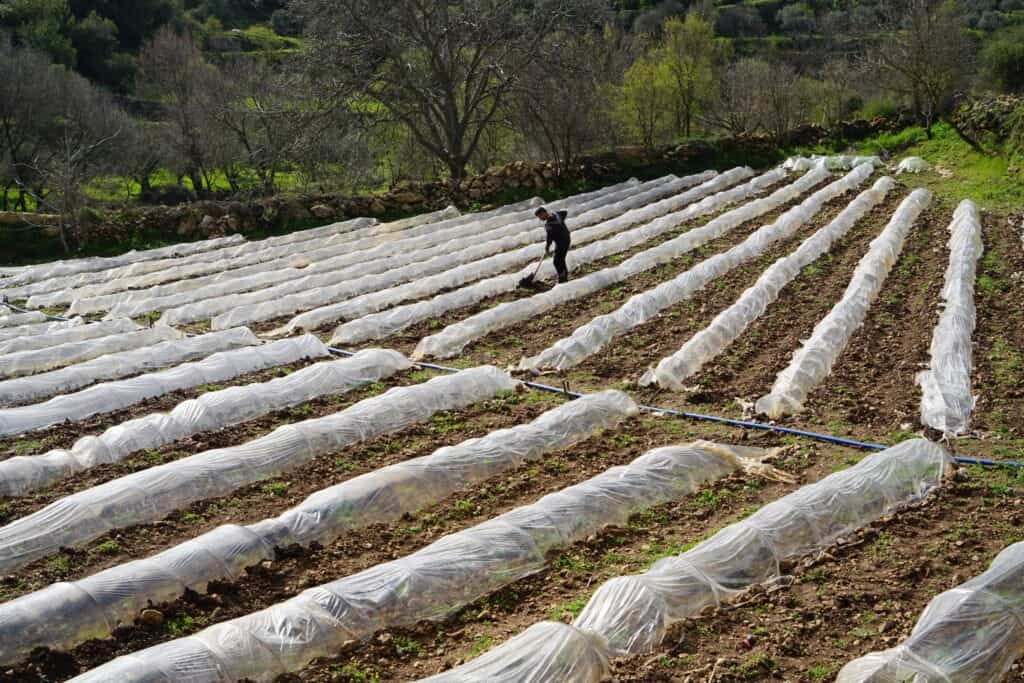
Protective Row Covers for Management of Flea Beetles in Organic Eggplant Production in the Southeastern US
Flea beetles are a major insect pest of eggplants. For organic producers, organic insecticides are one management strategy for flea beetles; however, these products have their limitations. In this study, researchers at the University of Kentucky compared row covers against other organic flea beetle management options in eggplant production systems, including organic insecticides, essential oils, and reflective mulches.
Organic Management of Flea Beetles
The factsheet, produced by Washington State University Extension, provides an overview of the biology and damage caused by flea beetles to vegetable…
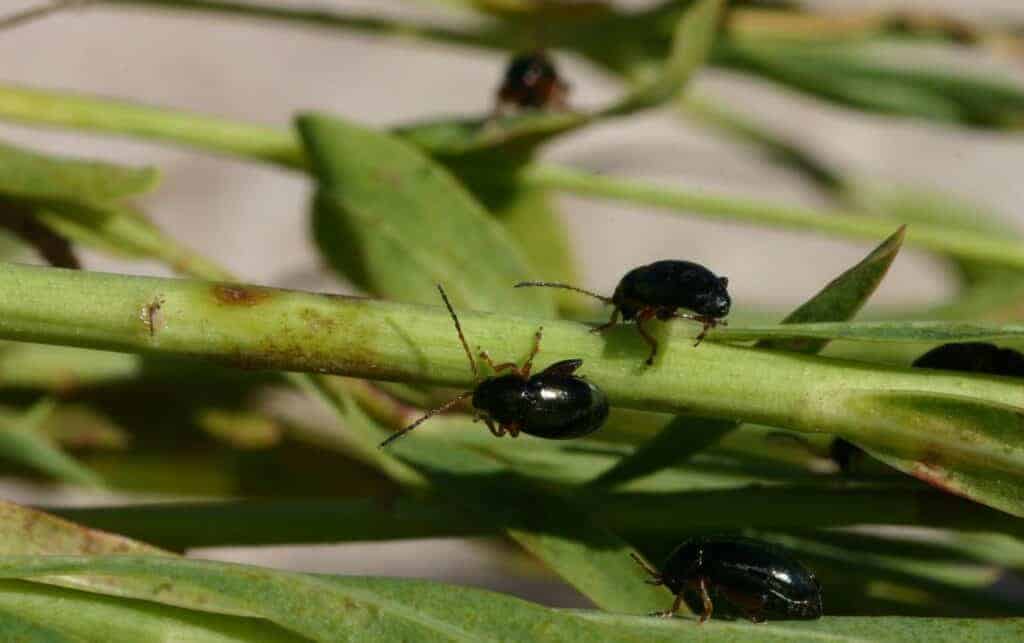
Organic Management of Flea Beetles
The factsheet, produced by Washington State University Extension, provides an overview of the biology and damage caused by flea beetles to vegetable crops. It outlines organic-compatible monitoring and cultural practices to reduce flea beetle populations, including crop rotation, trap cropping, and use of physical barriers, along with approved biological and botanical control options.
Control of Flea Beetle in Cole Crops with Cruciferous Trap Crops
This project involved two years of trials to assess whether trap crops could reduce flea beetle damage on organically grown cole crops.…
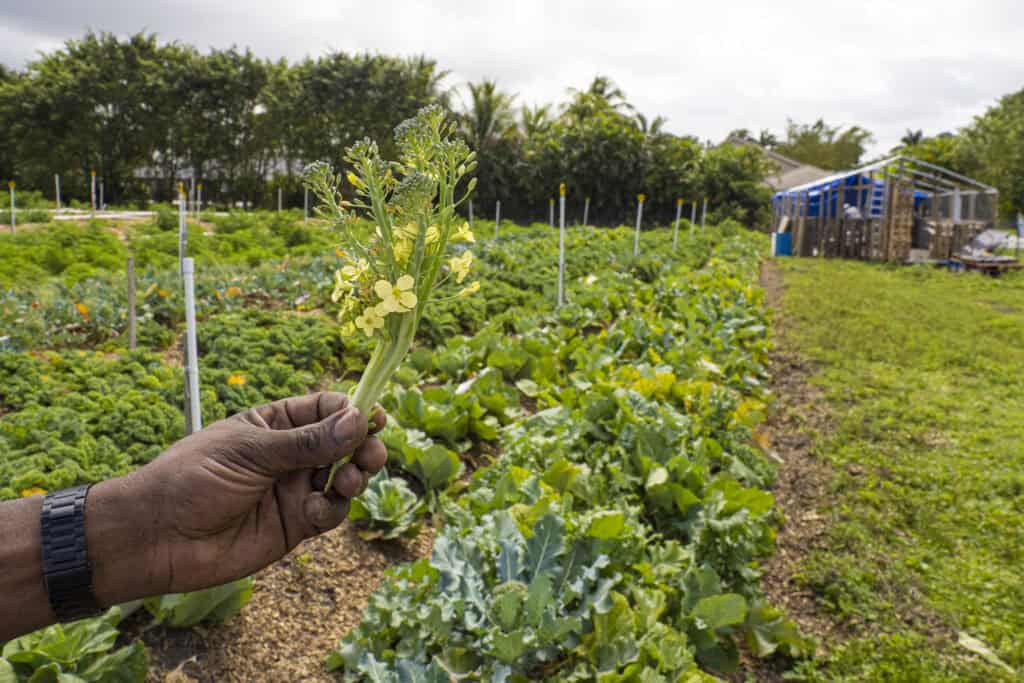
Control of Flea Beetle in Cole Crops with Cruciferous Trap Crops
This project involved two years of trials to assess whether trap crops could reduce flea beetle damage on organically grown cole crops. High flea beetle populations in 1997 provided an excellent opportunity to evaluate how attractive crucif…
Managing Cruciferous and Solanaceous Flea Beetles in Organic Farming Systems
This resource provides insights into the biology and management of flea beetles affecting cruciferous and solanaceous crops, specifically tailored for organic farming…
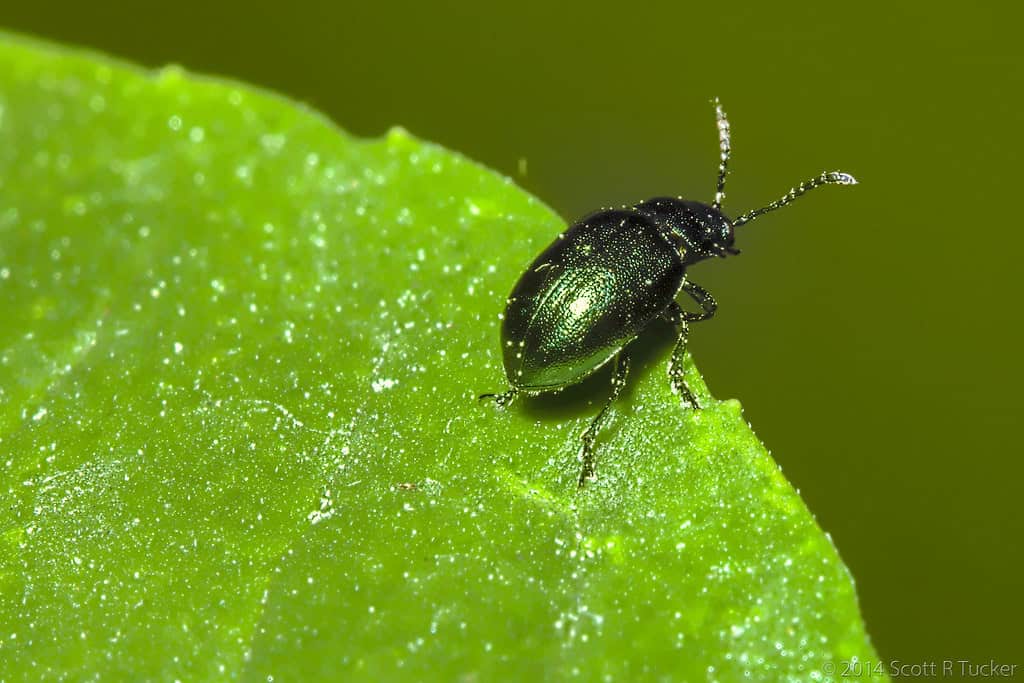
Managing Cruciferous and Solanaceous Flea Beetles in Organic Farming Systems
This resource provides insights into the biology and management of flea beetles affecting cruciferous and solanaceous crops, specifically tailored for organic farming systems.
Pest Profile: Brassicaceae Flea Beetle
This factsheet describes the identification, biology, and life cycle of flea beetles that commonly attack brassica crops such as cabbage, kale, broccoli,…
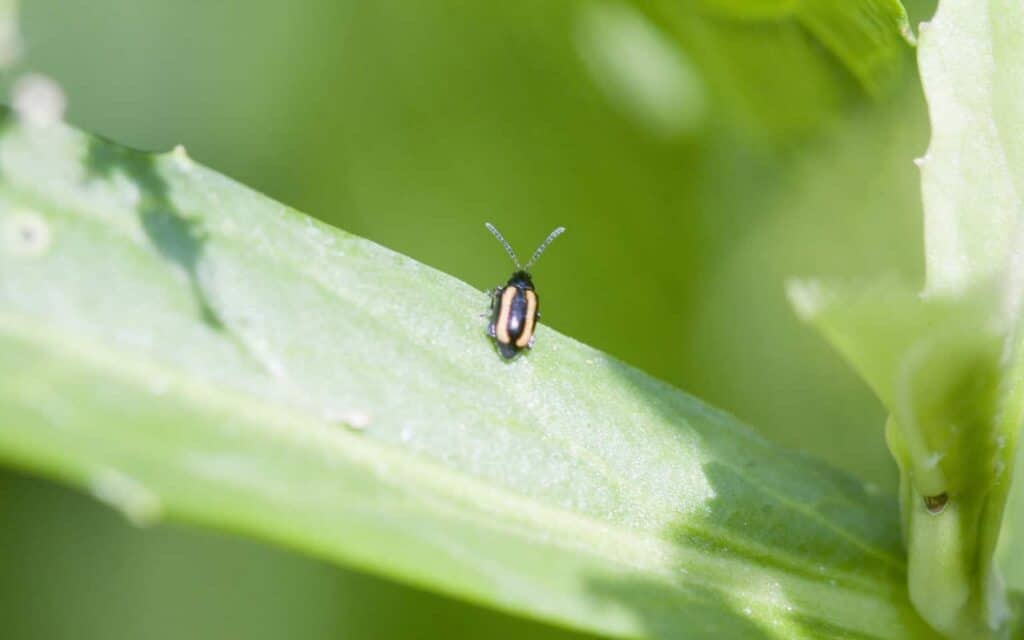
Pest Profile: Brassicaceae Flea Beetle
This factsheet describes the identification, biology, and life cycle of flea beetles that commonly attack brassica crops such as cabbage, kale, broccoli, and mustard greens. It explains how these pests damage plants, outlines conditions that influence flea beetle populations, and presents ecological pest management strategies, including monitoring, supporting beneficial insects, and using diversified cropping.

Pest Profile: Solanaceae Flea Beetle
This factsheet explains how to identify and manage flea beetles that commonly attack crops in the nightshade family, such as potatoes, tomatoes,…
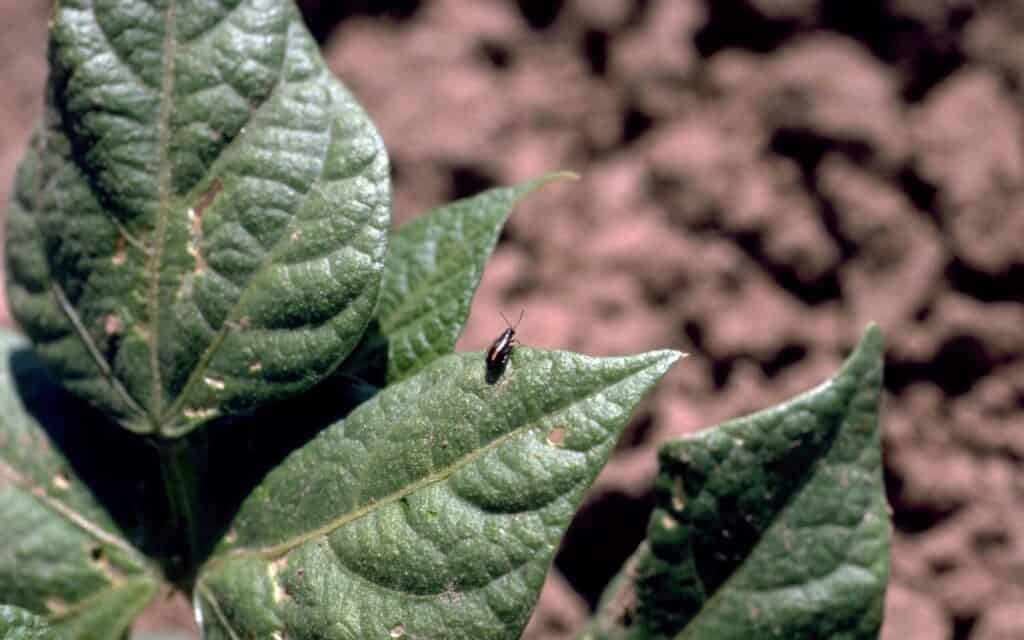
Pest Profile: Solanaceae Flea Beetle
This factsheet explains how to identify and manage flea beetles that commonly attack crops in the nightshade family, such as potatoes, tomatoes, eggplant, and peppers. It outlines ecological pest-management strategies for organic systems, such as monitoring populations, supporting beneficial insects, and using crop diversity and other cultural practices to reduce damage to solanaceous crops.
Flea Beetle: Organic Control Options
This publication provides strategies for managing flea beetles, a significant pest for vegetable crops, using organic methods. It explores various cultural and…

Flea Beetle: Organic Control Options
This publication provides strategies for managing flea beetles, a significant pest for vegetable crops, using organic methods. It explores various cultural and biological control options, such as crop rotation and introducing natural predators, and also covers alternative pesticidal materials approved for organic use.
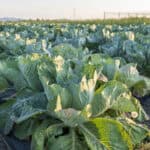
Biological control of Delia sp. in cole crops with rove beetles, Aleochara sp. (Part 2)
The consumer demand for organic produce is increasing. In order for growers to be able to meet this demand, effective non-chemical tools…
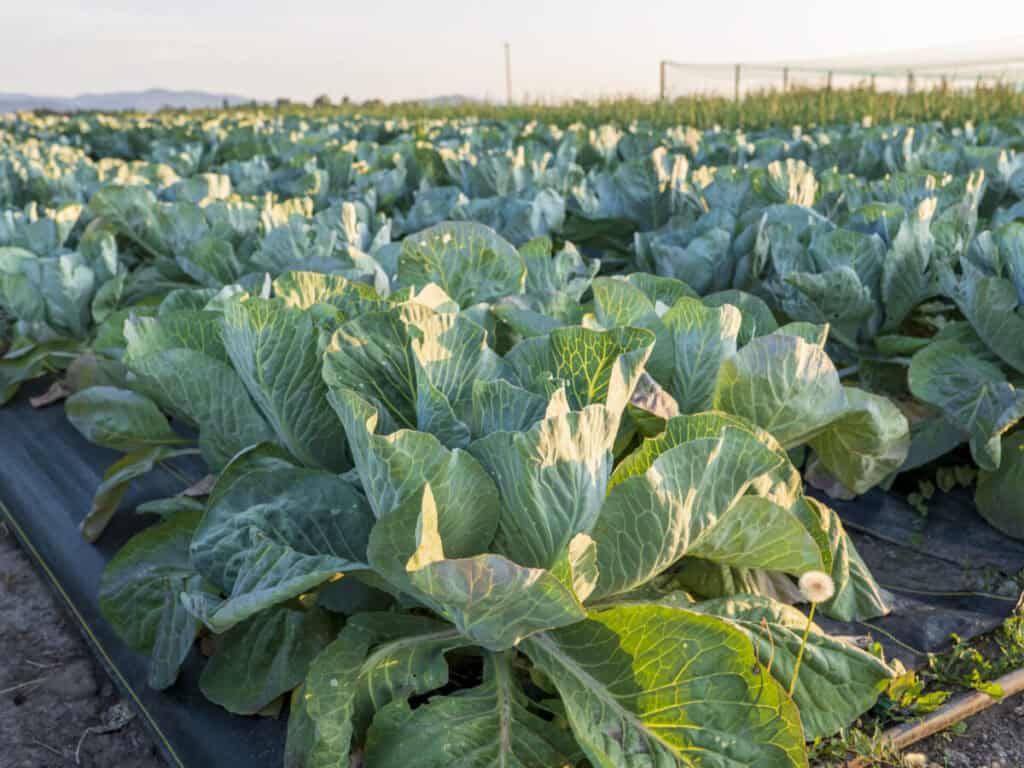
Biological control of Delia sp. in cole crops with rove beetles, Aleochara sp. (Part 2)
The consumer demand for organic produce is increasing. In order for growers to be able to meet this demand, effective non-chemical tools need to be available for pest management. In BC in particular there is an increase in the production of…
Biological control of Delia sp. in cole crops with rove beetles, Aleochara sp. Part1)
The consumer demand for organic produce is increasing. In order for growers to be able to meet this demand, effective non-chemical tools…
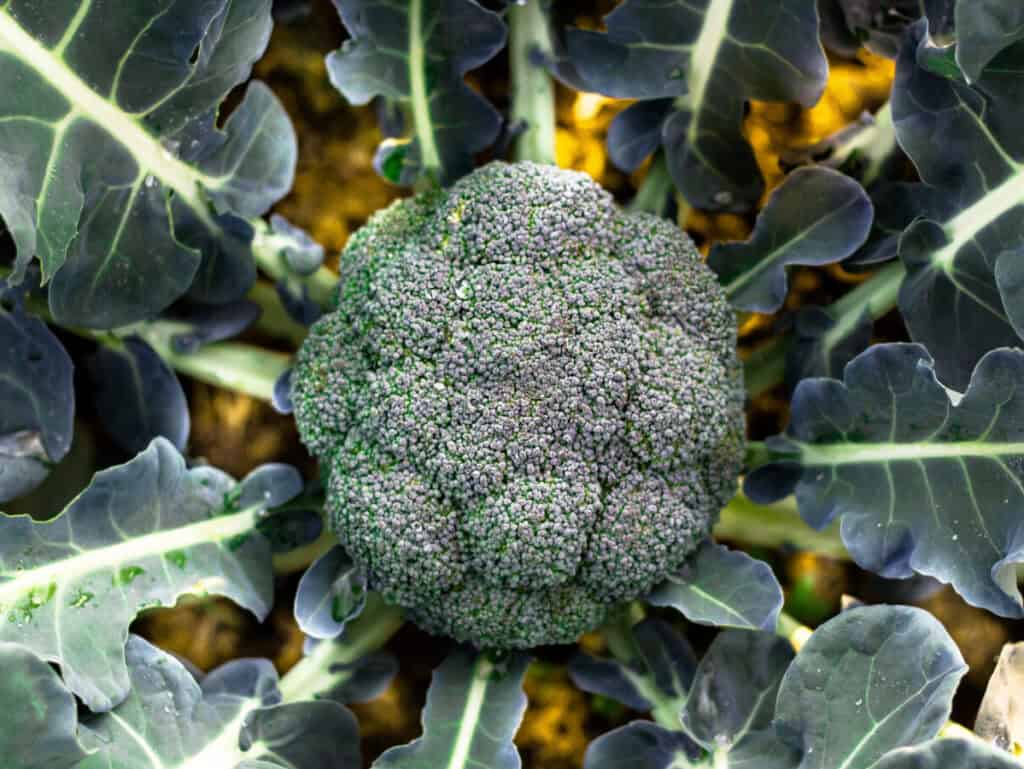
Biological control of Delia sp. in cole crops with rove beetles, Aleochara sp. Part1)
The consumer demand for organic produce is increasing. In order for growers to be able to meet this demand, effective non-chemical tools need to be available for pest management. In BC in particular there is an increase in the production of…
Development and Evaluation of Biologically-Integrated Conservation Tillage Systems for Organic Vegetable Production
The development of environmentally sound and profitable farming systems aims to prevent soil degradation and erosion while enhancing soil quality through organic…
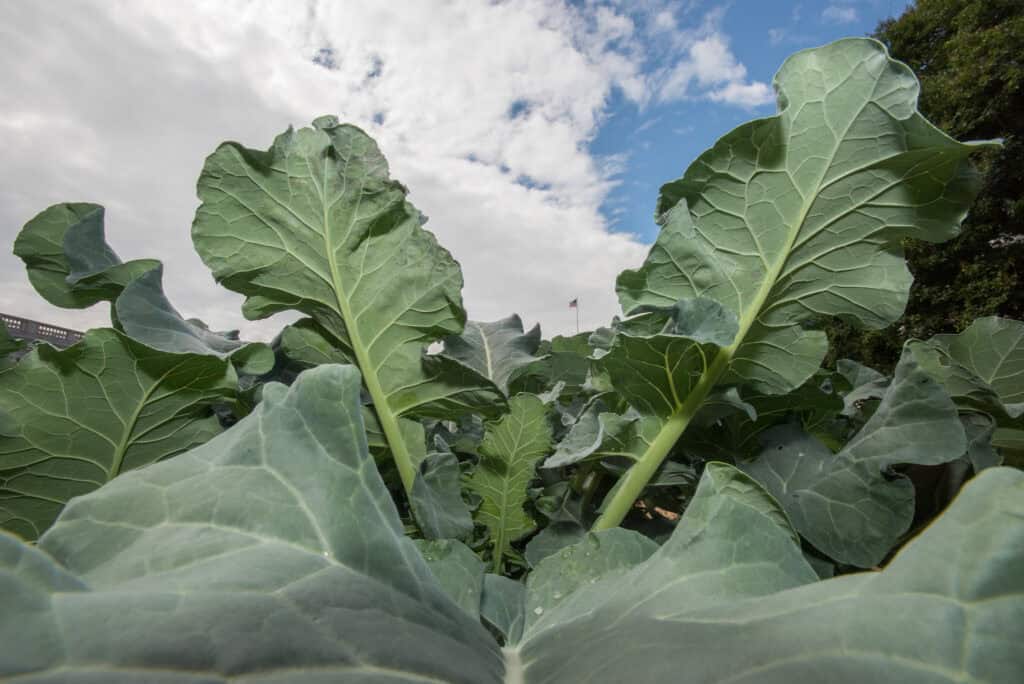
Development and Evaluation of Biologically-Integrated Conservation Tillage Systems for Organic Vegetable Production
The development of environmentally sound and profitable farming systems aims to prevent soil degradation and erosion while enhancing soil quality through organic matter management. In the Willamette Valley, conventional tillage for vegetabl…
10 resources found