Stay in the know!
Set up content alerts based on your personalized search terms, delivered on your preferred schedule.
Join Joe Reynolds of Love is Love Cooperative Farm in Mansfield, GA, for this virtual farm tour featuring tips on organic production, marketing, and infrastructure.
Source: Florida Organic Growers
Keywords: Cropping Systems, Business and Marketing

Farm Pulse is self-guided online course from UW-Madison Extension that helps farmers explore financial statements and strategic management, teaching them how to evaluate their finances and take the pulse of their business and goals.
Source: University of Wisconsin-Madison Extension
Keywords: Business and Marketing
This article and short video are for farmers curious about transitioning to organic agriculture, covering the purpose and process of organic transition, certification requirements, and available resources to support the transition journey and decision.
Source: University of Wisconsin-Madison Extension
Keywords: Transitioning to Organic, Business and Marketing
Listen to this Small Farm Sustainability Podcast episode exploring innovations in organic agriculture, featuring conversations on emerging practices and approaches that are shaping the future of organic farming systems, markets, and producer decision-making today and tomorrow.
Source: Small Farm Sustainability Podcast (Iowa State University)
Keywords: Soil Health, Cropping Systems, Business and Marketing, Tools and Technology, Livestock Feeding

Farm Commons' Rachel Armstrong joins the Organic Farmers Association to discuss how a buyer's bankruptcy can devastate a farmer's business, sharing proactive tools farmers can use to avoid clawback notices and disputes.
Source: Organic Farmers Association
Keywords: Business and Marketing

This resource explains how farmers can protect themselves from bankruptcy "clawback" demands on payments they've already received from buyers, covering both legal defenses and preventive steps like state indemnity funds and liens.
Source: Organic Farmers Association
Keywords: Business and Marketing
A panel of organic producers from OFARM walks through the practical, basic steps of cooperative organic grain marketing, sharing how a marketing/bargaining cooperative negotiates prices and connects farmers to buyers.
Source: The Land Connection
Keywords: Business and Marketing
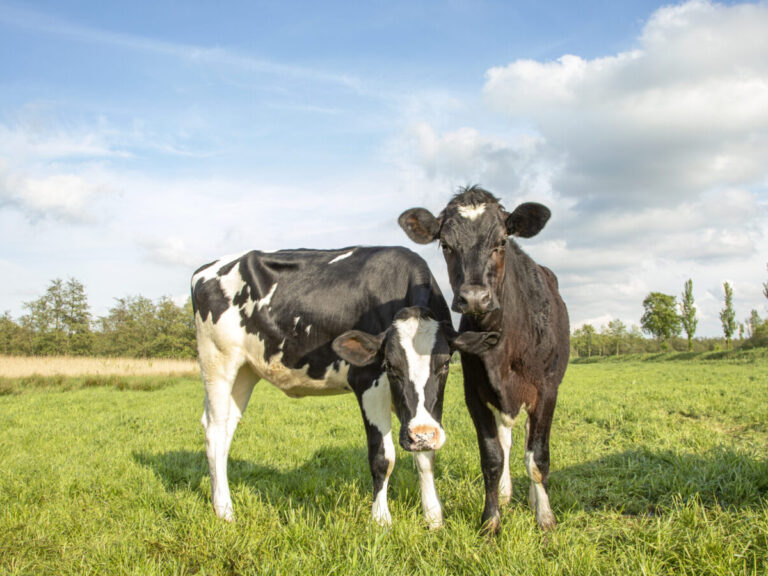
The original proposal included two experiments: 1) a double blind on two farms (the Nova Scotia Agricultural College dairy herd […]
Contact: Fernando Moncayo, and Alan Fredeen, Dalhousie University
Keywords: Disease Management
Crop/Livestock Type: Cattle
Funding Year: 1999
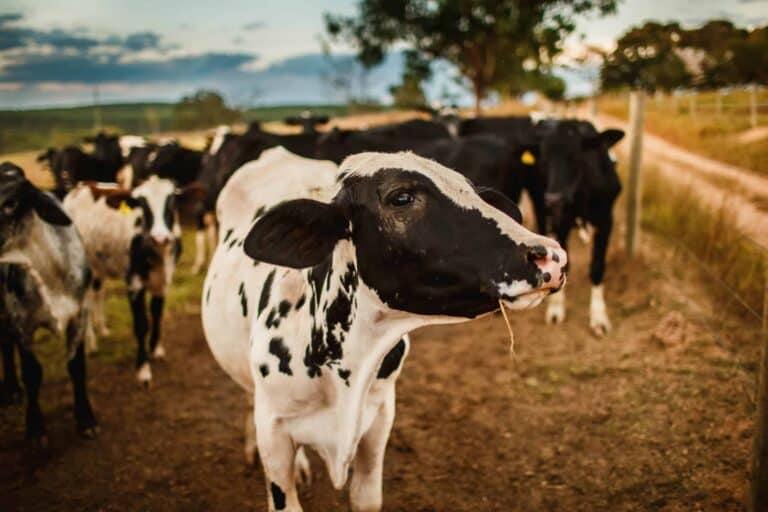
This USDA Agricultural Marketing Service factsheet explains the Origin of Livestock final rule, which revises organic regulations governing the one-time transition of dairy animals into organic production. It clarifies transition practices for new and existing operations, standardizes certification requirements across producers, and aims to promote fair competition in the organic dairy market.
Source: USDA Agricultural Marketing Service
Keywords: Transitioning to Organic
Crop/Livestock Type: Cattle
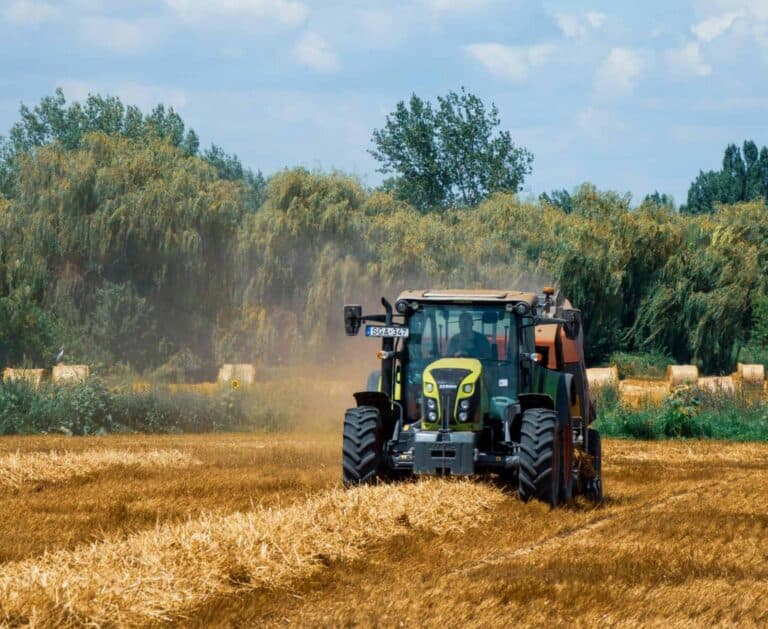
Published by the Organic Agronomy Training Service (OATS), this factsheet guides transitioning organic grain farmers through key equipment and infrastructure decisions — including tillage implements, cultivation and weed control tools, guidance systems, grain drills, and on-farm storage. It emphasizes long-term planning, crop rotation, and building a support team to navigate the shift from conventional production.
Source: Organic Agronomy Training Service (OATS)
Keywords: Tools and Technology
Crop/Livestock Type: , Corn, Flax, Oat, Soybean, Wheat

This factsheet, produced by UW-Madison’s Organic Grain Resource and Information Network (OGRAIN), covers the benefits of incorporating sunflowers into organic crop rotations and the basics of sunflower production. Sunflowers can increase diversity in grain crop rotations, diversify farm revenue, and improve soil health.
Source: Organic Grain Resource and Information Network (OGRAIN)
Keywords: Cropping Systems
Crop/Livestock Type: Sunflower
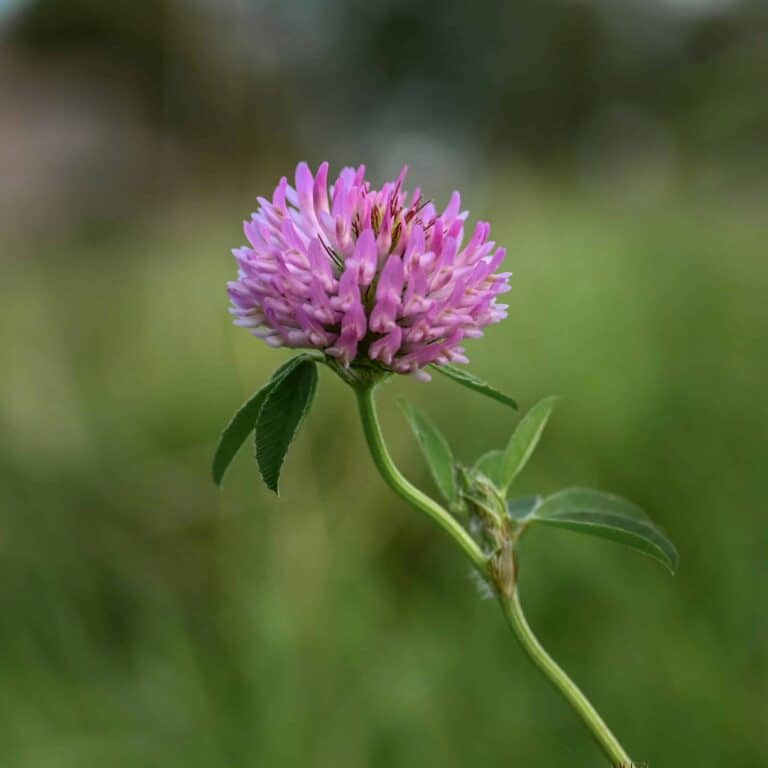
This Cornell University and University of Wisconsin-Madison Extension factsheet, featuring organic farmer Klaas Martens, explains frost seeding red clover as a low-cost practice for building soil nitrogen, suppressing weeds, and improving soil health. Broadcast onto frozen ground in late February through mid-March, a good clover stand can supply much of the nitrogen needed for the following corn crop.
Source: Organic Grain Resource and Information Network (OGRAIN)
Keywords: Cropping Systems, Soil Health, Crop Nutrient Management
Crop/Livestock Type: Clover, Cover Crop
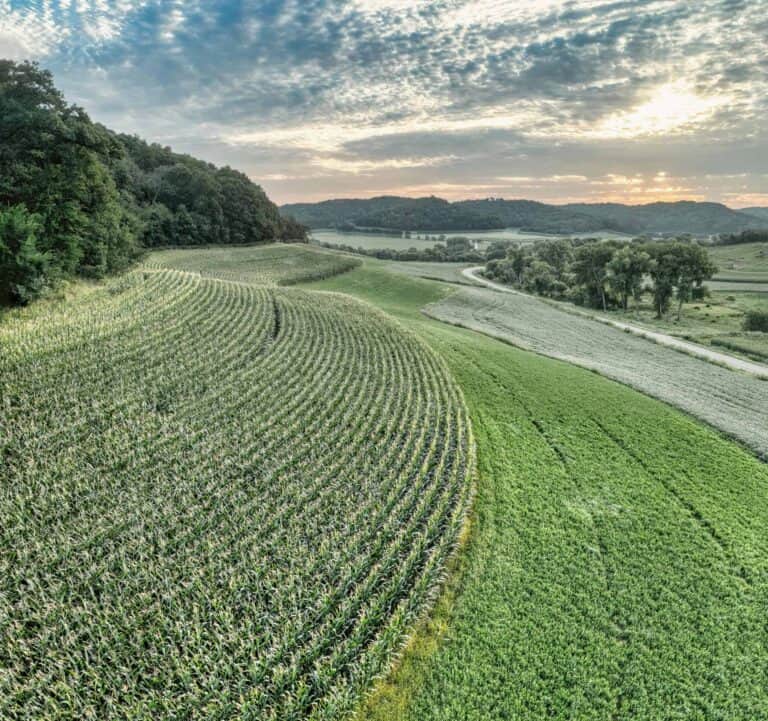
Developed by the Organic Farmers Association, this checklist helps organic and transitioning producers prepare for a visit to their local NRCS office to explore funding through EQIP Practice #823. Farmers document basic farm information and identify resource concerns — from erosion and water quality to livestock infrastructure and soil health — to guide conservation planning.
Source: Organic Farmers Association
Keywords: Conservation and Habitat
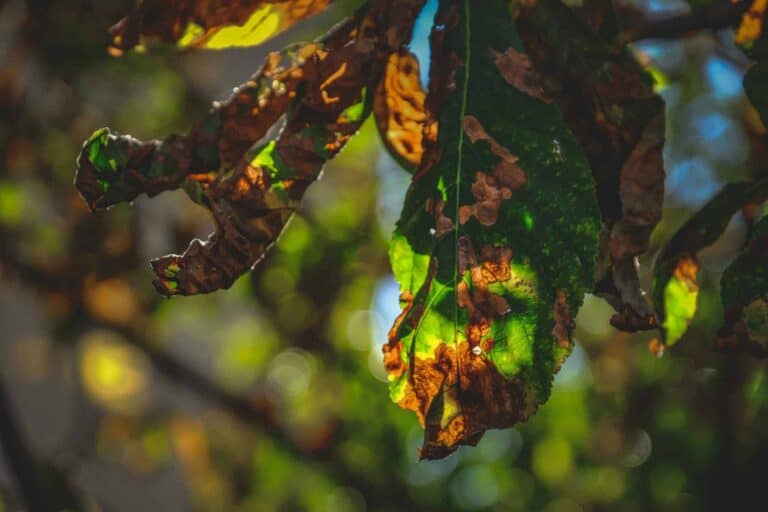
Produced by the Organic Fruit Growers Association and University of Wisconsin-Madison, this guide helps organic apple and pear growers manage fireblight — a major disease barrier in the region. Drawing on grower surveys and interviews, it covers resistant varieties, orchard layout, nitrogen management, pruning techniques, organic spray options, and predictive models for timing treatments.
Source: Organic Fruit Growers Association
Keywords: Disease Management
Crop/Livestock Type: Apple
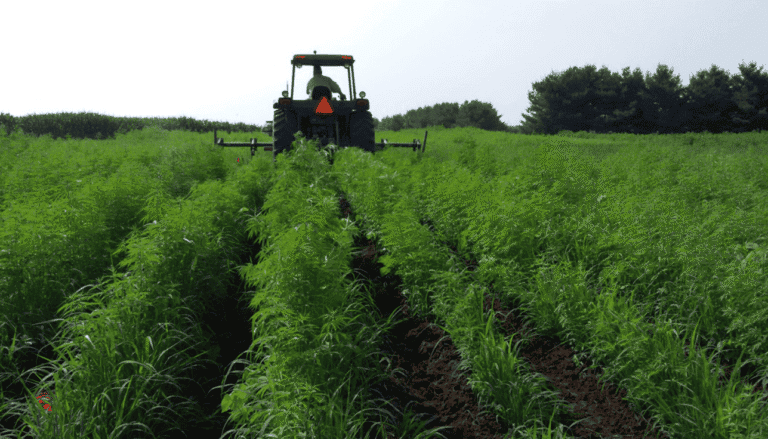
Interested in diversifying your rotation with organic industrial hemp? This factsheet, published by UW-Madison’s Organic Grain Resource and Information Network (OGRAIN), presents the results of two research trials on organic industrial hemp production for grain in Wisconsin.
Source: Organic Grain Resource and Information Network (OGRAIN)
Keywords: Cropping Systems
Crop/Livestock Type: Hemp
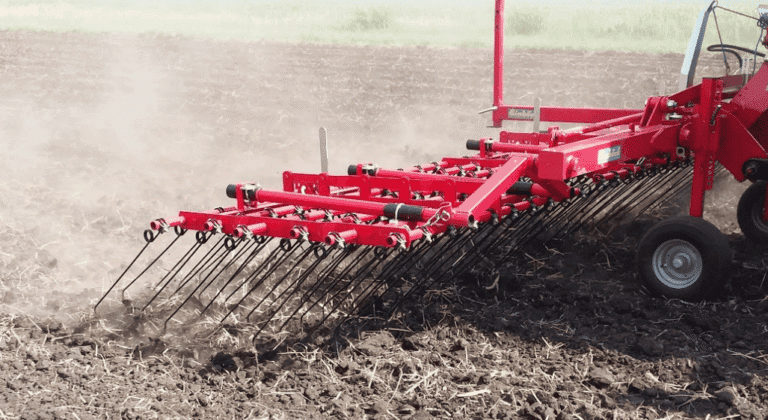
Blind cultivation provides early-season control of both in-row and inter-row weeds, giving crops a competitive advantage and improving effectiveness of row cultivation later in the season. Tine weeders and rotary hoes are popular blind cultivation tools, and this factsheet, produced by UW-Madison’s Organic Grain Resource and Information Network (OGRAIN), provides crop-specific recommendations for both pieces of equipment.
Source: Organic Grain Resource and Information Network (OGRAIN)
Keywords: Weed Management
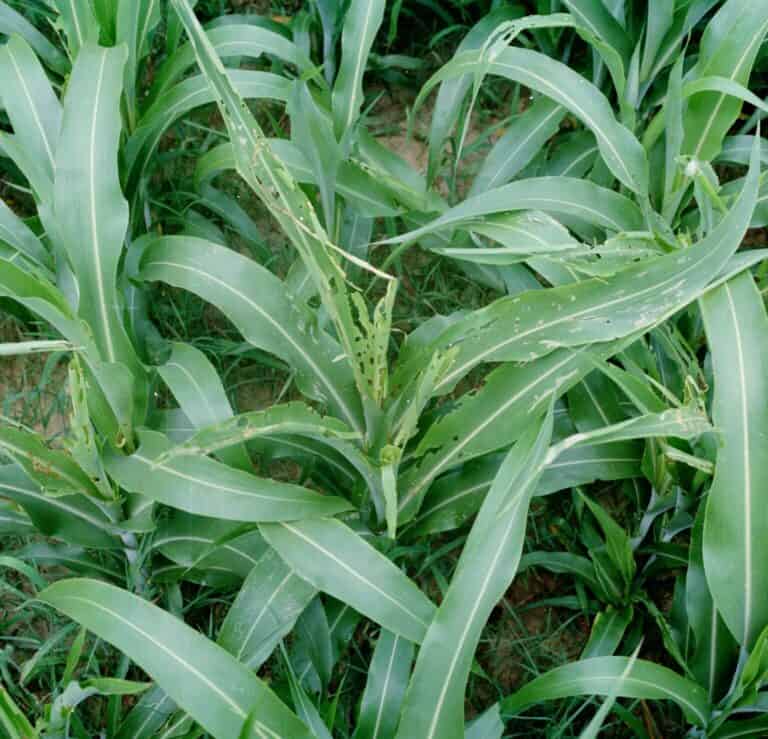
This factsheet, produced by UW-Madison’s Organic Grain Resource and Information Network (OGRAIN), covers organic management of fall armyworm, with a focus on organic corn production. Fall armyworms can be devastating for organic corn, and as of now, management options in northern regions are limited. Learn more about strategies to mitigate these harmful pests.
Source: Organic Grain Resource and Information Network (OGRAIN)
Keywords: Insect/Pest Management
Crop/Livestock Type: Corn
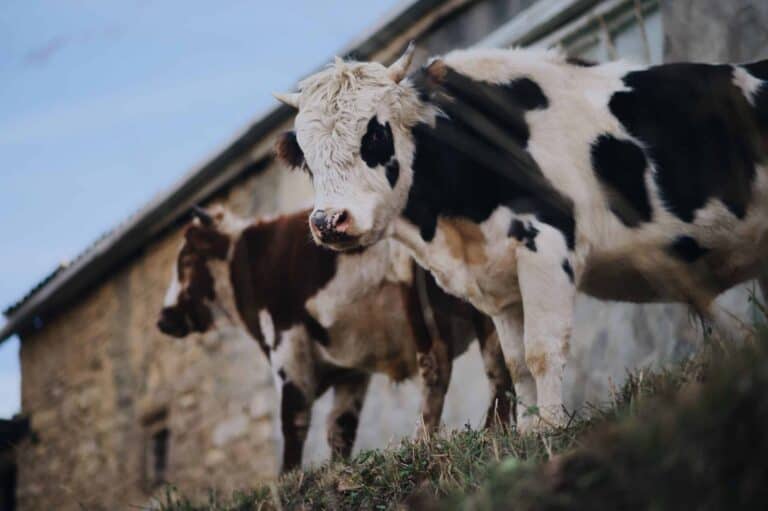
Developed by the Northeast Organic Farming Association of Vermont (NOFA-VT) with USDA support, this guide outlines USDA organic regulations for dairy producers. It covers land transition requirements, livestock origin, feed standards, healthcare practices, living conditions, pasture access, recordkeeping, and labeling — providing a practical compliance reference for farmers pursuing or maintaining organic dairy certification.
Source: Northeast Organic Farming Association of Vermont (NOFA-VT)
Keywords: Transitioning to Organic
Crop/Livestock Type: Cattle
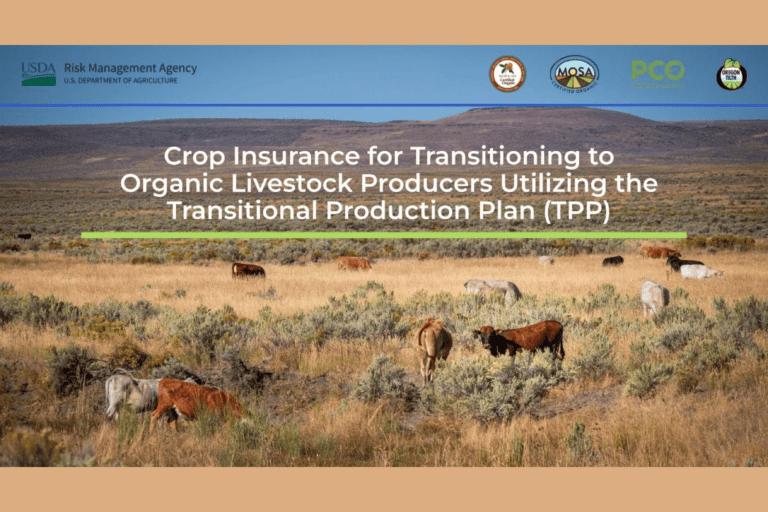
This webinar, produced by Oregon Tilth, explores crop insurance for producers transitioning to organic livestock production. The webinar will cover the Transitional Production Plan (TPP), livestock feeding, livestock care and production practices, mammalian and non-avian livestock living conditions, pasture practice standards, avian living conditions, and more.
Source: Oregon Tilth
Keywords: Transitioning to Organic
Crop/Livestock Type: Cattle
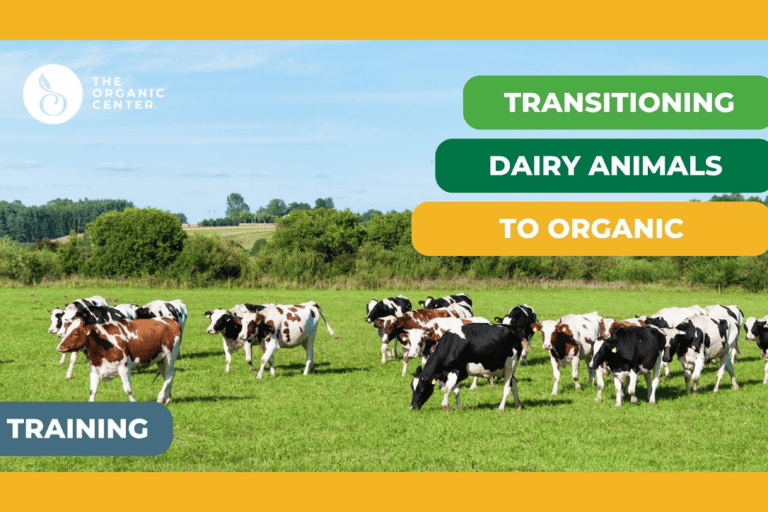
This video, produced by the Organic Center, explains the requirements of transitioning dairy animals to organic status. Specificallty, learn about the NOP Origin of Livestock regulation, which permits a one-time transition of conventional dairy animals to organic.
Source: Oregon Tilth
Keywords: Transitioning to Organic
Crop/Livestock Type: Cattle