Northeast/Mid-Atlantic
Connecticut, Delaware, Maine, Maryland, Massachusetts, New Hampshire, New Jersey, New York, Pennsylvania, Rhode Island, Vermont, Virginia, West Virginia
Use the filters below to search for Resources, Experts, and Grant Projects from these states
678 resources found
Leaf Miners—Botanical Control Formulations
This tipsheet, produced by ATTRA NCAT, reviews botanical control options for leaf miners, covering quassia bark, chili pepper extract, neem, and walnut…
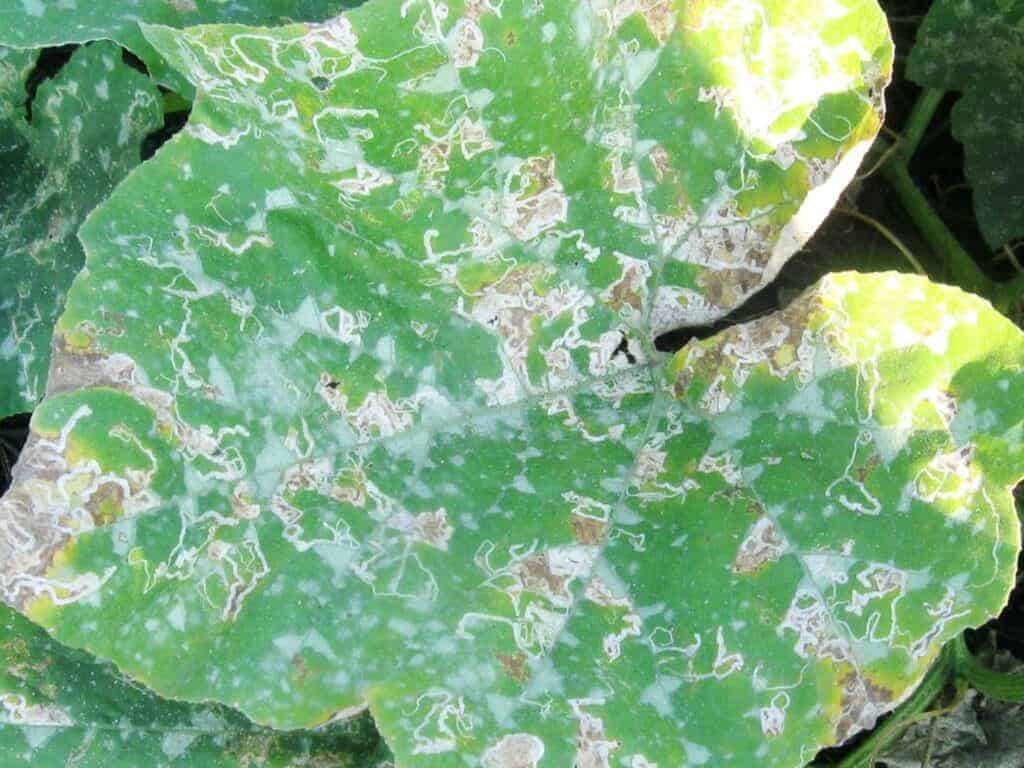
Leaf Miners—Botanical Control Formulations
This tipsheet, produced by ATTRA NCAT, reviews botanical control options for leaf miners, covering quassia bark, chili pepper extract, neem, and walnut leaf tincture. It summarizes research on each botanical's effectiveness at killing larvae or deterring egg-laying adults, and provides practical preparation guidance, offering growers low-risk alternatives to synthetic pesticides for managing this widespread crop pest.
Webinar: Maximizing Carbon Sequestration in Organic Systems
Join Robert Crystal-Ornelas from the Lawrence Berkeley National Laboratory and Amber Sciligo from The Organic Center for a webinar about how organic…
Webinar: Maximizing Carbon Sequestration in Organic Systems
Join Robert Crystal-Ornelas from the Lawrence Berkeley National Laboratory and Amber Sciligo from The Organic Center for a webinar about how organic farmers can increase carbon sequestration in their production systems. Learn about the role that agriculture plays in climate change and how organic management practices can contribute to mitigation efforts by storing atmospheric carbon in the soil.
Microbial Inoculants
This guide, produced by ATTRA NCAT, explains how microbial inoculants — including rhizobia, mycorrhizae, plant growth-promoting rhizobacteria, and endophytes — work to…
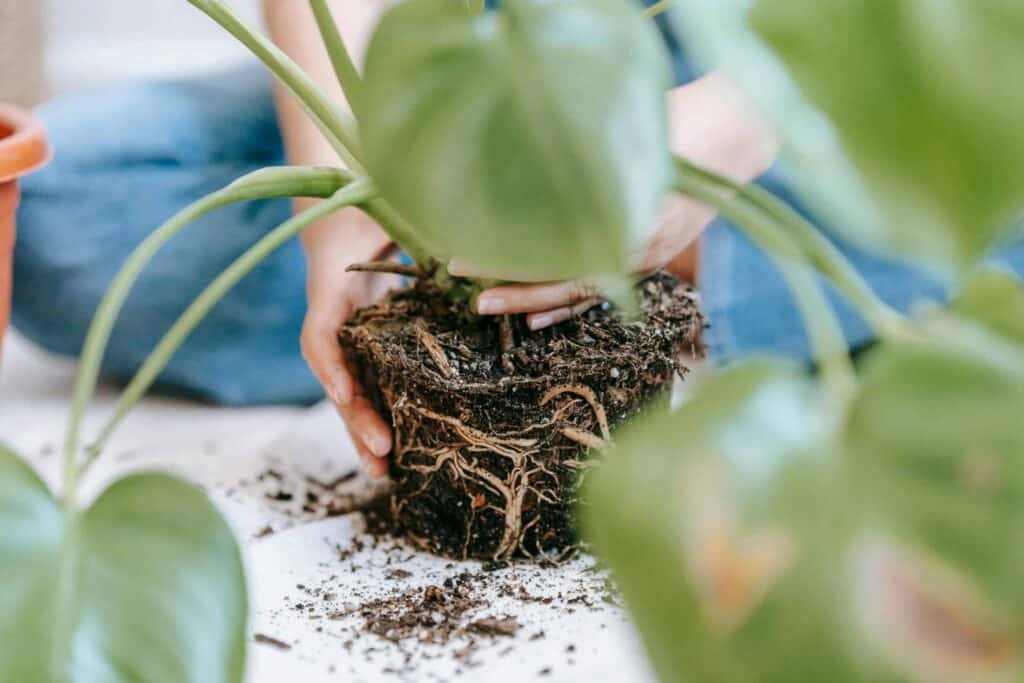
Microbial Inoculants
This guide, produced by ATTRA NCAT, explains how microbial inoculants — including rhizobia, mycorrhizae, plant growth-promoting rhizobacteria, and endophytes — work to enhance soil health and plant productivity. It reviews the gap between promising greenhouse research and inconsistent field results, identifies key factors limiting effectiveness, and offers practical recommendations for selecting, applying, and supporting inoculants.
Webinar: Biodiversity & Profitability on Organic Farms: Environmental & Economic Benefits
Join Amber Sciligo from The Organic Center, David Crowder from Washington State University, and Olivia Smith from the University of Georgia for…
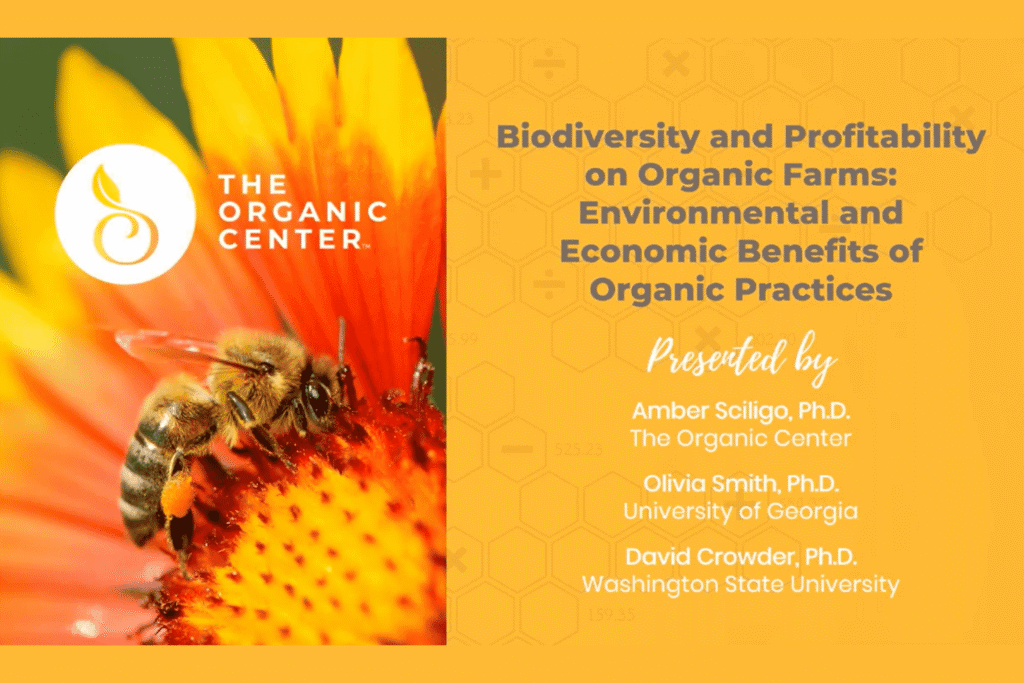
Webinar: Biodiversity & Profitability on Organic Farms: Environmental & Economic Benefits
Join Amber Sciligo from The Organic Center, David Crowder from Washington State University, and Olivia Smith from the University of Georgia for a research-based webinar about the potential environmental and economic benefits of organic production, including benefits to biodiversity and farm profitability.
Nutrient Cycling in Pastures
This guide, produced by ATTRA NCAT, examines how nutrients move through pasture ecosystems via the rhizosphere, soil food web, and ‘liquid carbon…
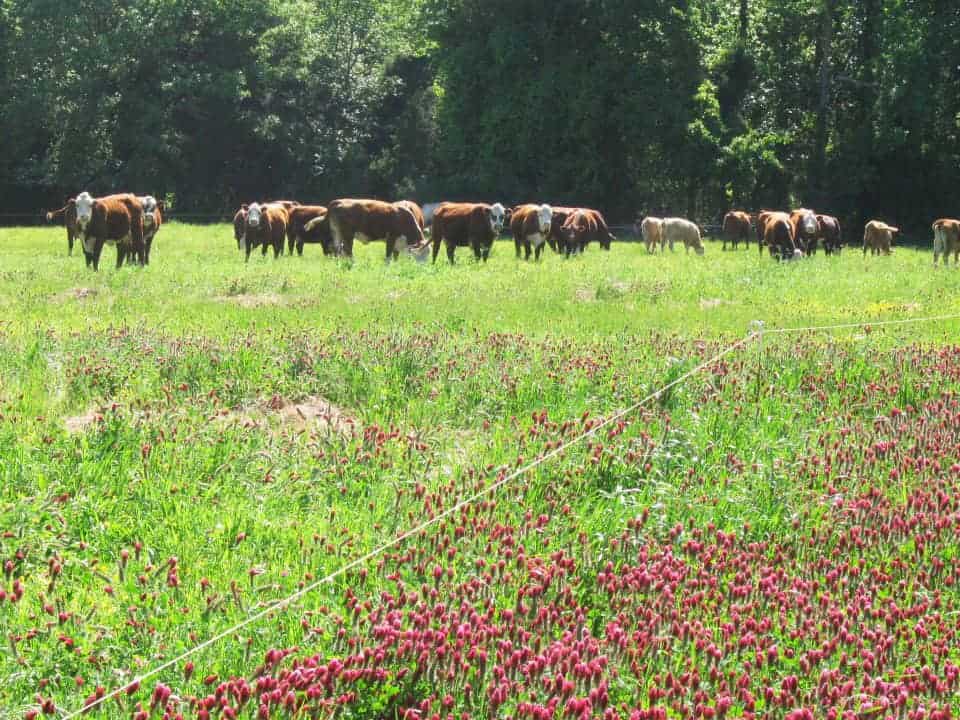
Nutrient Cycling in Pastures
This guide, produced by ATTRA NCAT, examines how nutrients move through pasture ecosystems via the rhizosphere, soil food web, and ‘liquid carbon pathway.’ It covers the roles of bacteria, fungi, protozoa, earthworms, and livestock in cycling nutrients, and outlines three key management practices — tall-grass grazing, high stock density, and compost application — for building productive, regenerative pasture soils.

Webinar: Building Soil Health in Organic Systems
This webinar, produced by The Organic Center, disseminates research findings on the benefits of organic farming to soil health and climate change…
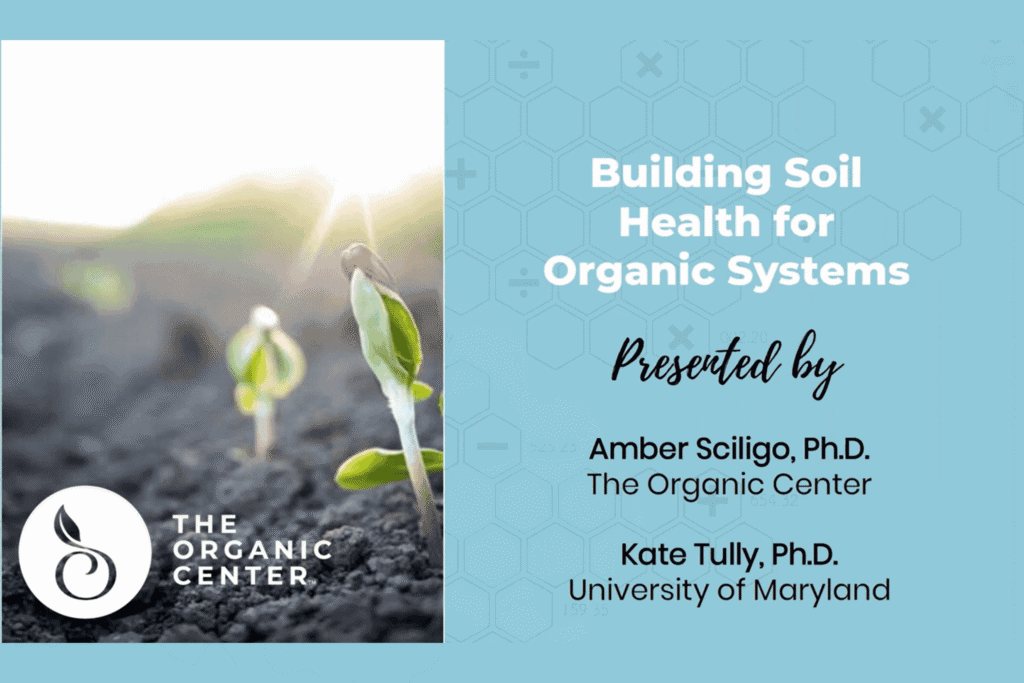
Webinar: Building Soil Health in Organic Systems
This webinar, produced by The Organic Center, disseminates research findings on the benefits of organic farming to soil health and climate change mitigation and outlines specific organic soil-building practices to illuminate strategies that have the biggest impacts on soil health.
Late Summer Crucifer Cover Crops for NY Growers
This guide, produced by Cornell University, covers late summer crucifer cover crops suited to planting after vegetable harvest in late July and…
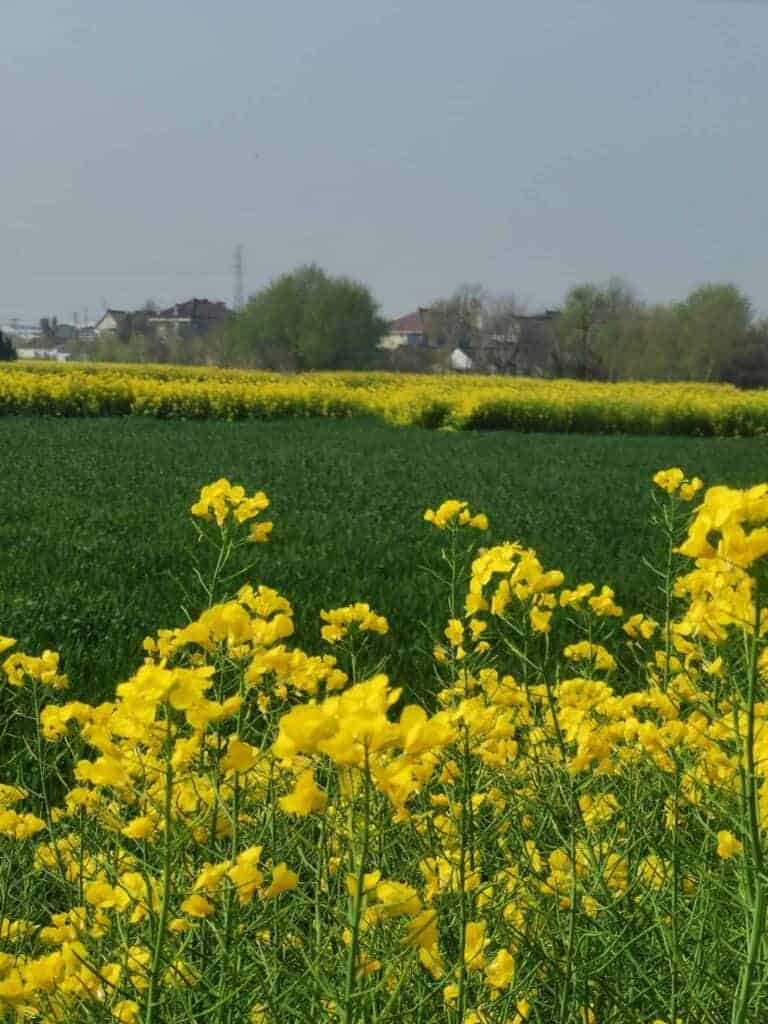
Late Summer Crucifer Cover Crops for NY Growers
This guide, produced by Cornell University, covers late summer crucifer cover crops suited to planting after vegetable harvest in late July and August. It compares forage radish, mustards, rapeseed, forage turnip, arugula, and winter canola across key traits including winter hardiness, nitrogen recovery, disease suppression, and weed control, with variety recommendations and regional seed sourcing contacts.
Webinar: Organic Opportunity Communications Toolkit Launch
Are you looking for data-driven tools to help your sales or marketing teams articulate the environmental, health, social, and economic benefits of…

Webinar: Organic Opportunity Communications Toolkit Launch
Are you looking for data-driven tools to help your sales or marketing teams articulate the environmental, health, social, and economic benefits of organic? Join Gwendolyn Wyard of the Organic Trade Association (OTA) to learn about some of the tools available to farmers to communicate the benefits and contributions of the USDA Organic standard.
Early Fall Cover Crops for NY Growers
This guide, produced by Cornell University, covers early fall small grain cover crop options for New York vegetable growers, comparing oats, wheat,…
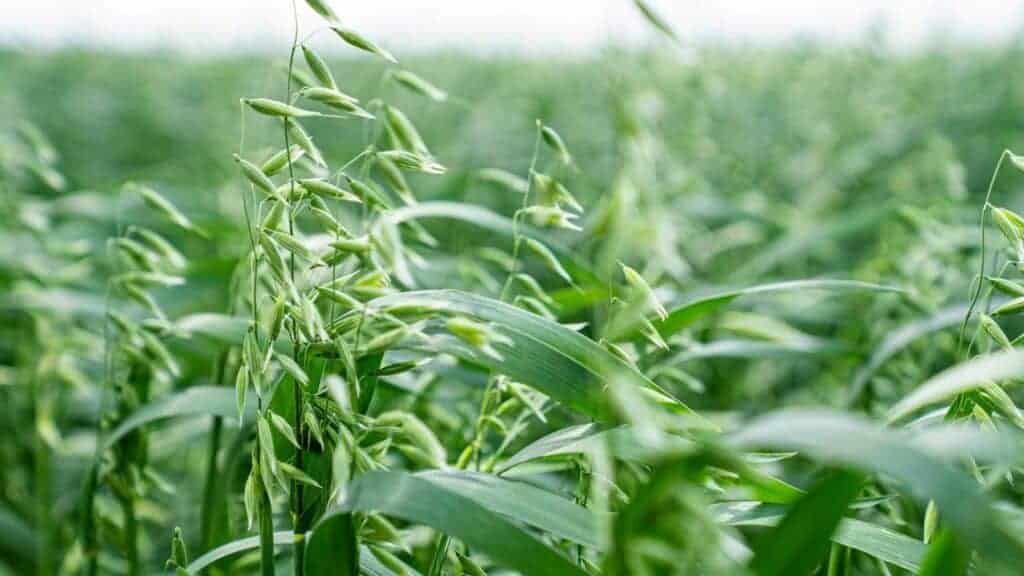
Early Fall Cover Crops for NY Growers
This guide, produced by Cornell University, covers early fall small grain cover crop options for New York vegetable growers, comparing oats, wheat, and rye for September planting. It outlines each crop's winter hardiness, spring management considerations, and tradeoffs.
Webinar: Digging into the New Organic Farm Data
This webinar will be helpful for those curious about the growth of the U.S. organic sector, as well as those needing to…
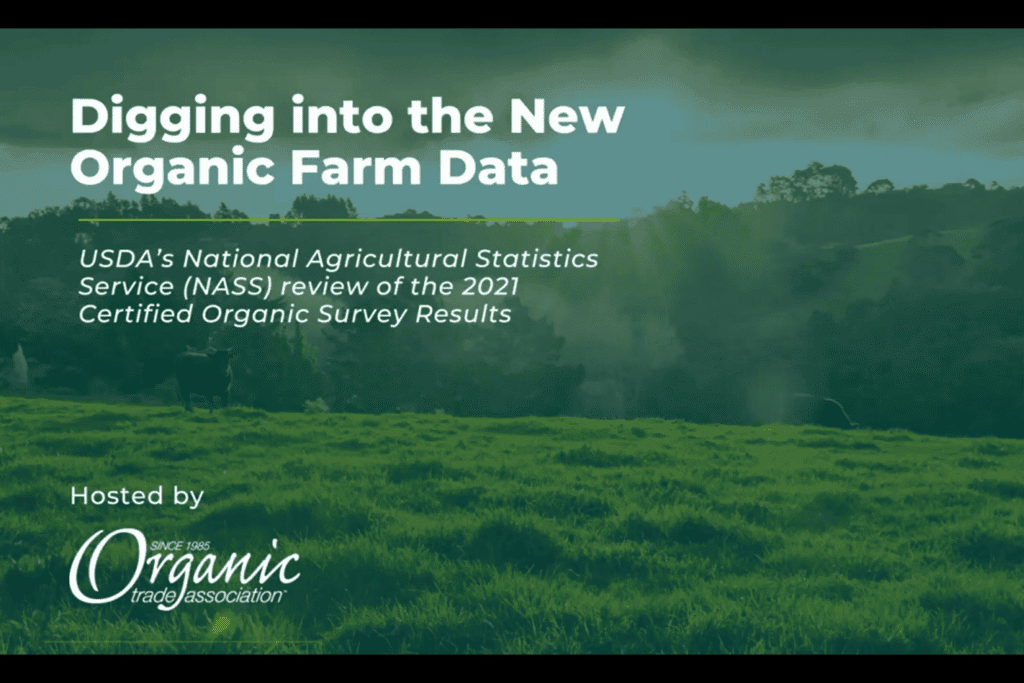
Webinar: Digging into the New Organic Farm Data
This webinar will be helpful for those curious about the growth of the U.S. organic sector, as well as those needing to communicate the impact of organic with investors, legislators, or members of the public. Learn about the 2022 National Agricultural Statistics Service (USDA NASS) Organic Production Survey results and hear from experts about the USDA Quick Stats Tool.
Fall Cover Crops for NY Growers
This guide, produced by Cornell University, covers late fall cover crop options for New York vegetable growers planting in late September and…
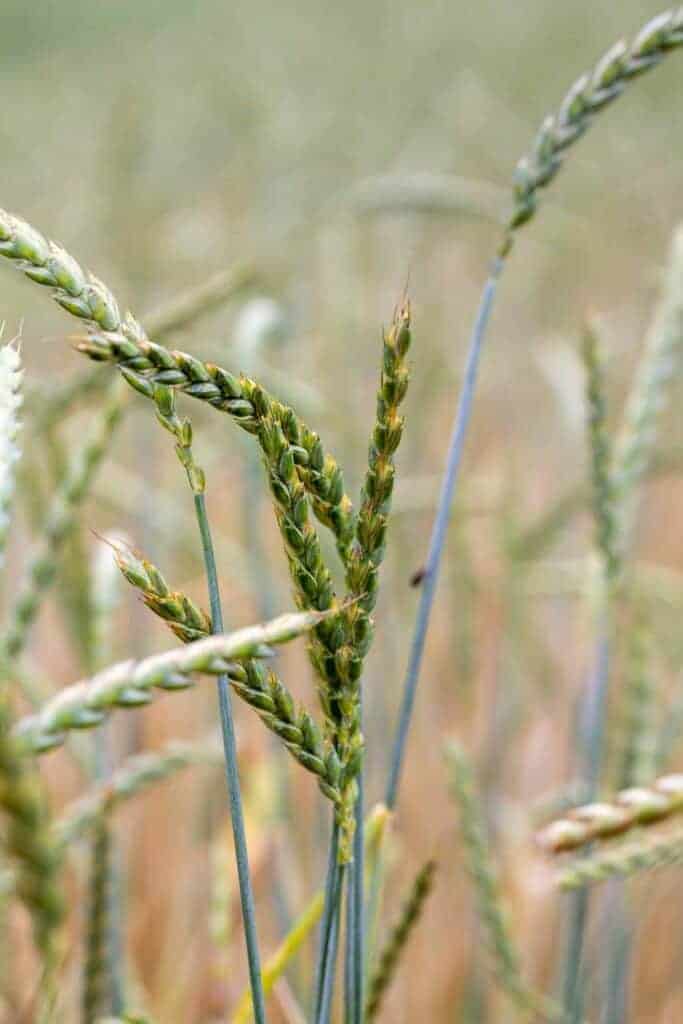
Fall Cover Crops for NY Growers
This guide, produced by Cornell University, covers late fall cover crop options for New York vegetable growers planting in late September and October. It compares rye, wheat, and spelt for winter soil protection, detailing seeding rates, timing tradeoffs, and spring management, noting that rye remains the most reliable late-season choice despite requiring careful spring control.
Webinar: Crop-Livestock Integration in Organic Produce Crops: Its Impacts on Food Safety and Soil Health
Join The Organic Center for an engaging discussion with researchers from Minnesota, California, and Maryland as they present their findings on the…
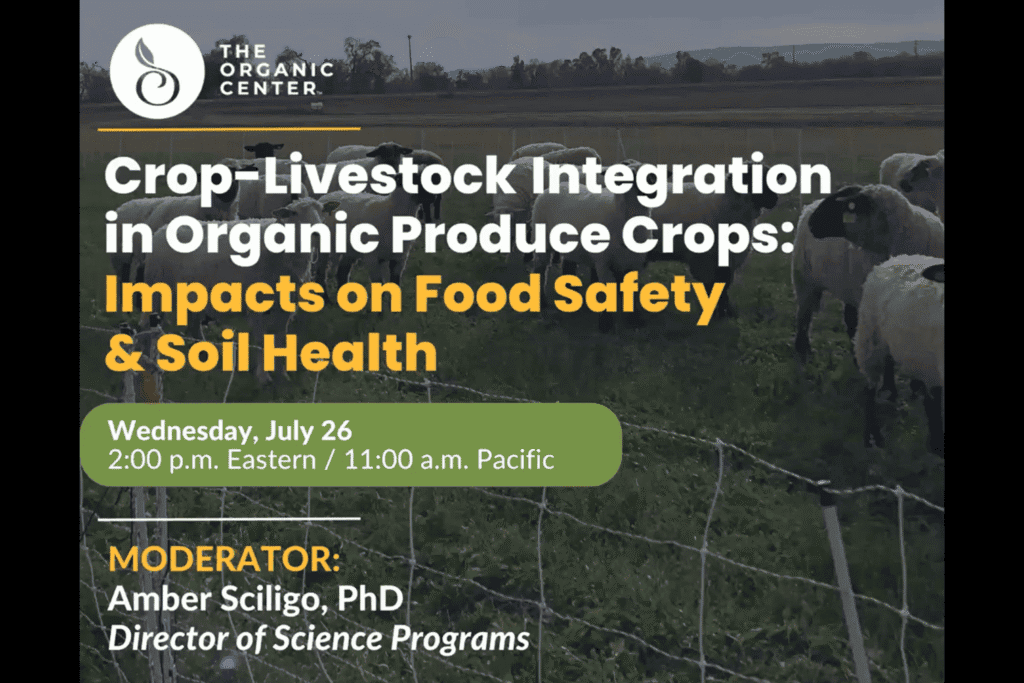
Webinar: Crop-Livestock Integration in Organic Produce Crops: Its Impacts on Food Safety and Soil Health
Join The Organic Center for an engaging discussion with researchers from Minnesota, California, and Maryland as they present their findings on the impacts of cover-crop grazing on food safety and soil health for fresh spinach and cucumbers in organic systems.
678 resources found