OFRF's Organic Research Hub
Your gateway to organic farming research
The Hub is a curated collection of scientific and technical resources to help organic farmers understand and solve their production challenges.
Search for technical resources on organic farming, browse the directory of organic farming experts, or look through the repository of USDA-funded organic research projects.

1. Resources
Find research summaries, factsheets, webinars, and other resources collected from the nation’s top organic farming organizations, research scientists, and supporting institutions.

2. Directory of Experts
Search the map or listings for an organic farming expert near you.

3. Research Grant Database
Explore more than two decades of organic farming research projects funded by USDA-OREI and ORG grant programs.
16 resources found
Video: Identifying Syrphid Fly Larvae: Important Beneficial Insects in Controlling Aphids
This video highlights the importance of biodiversity in natural pest suppression, and teaches viewers how to identify beneficial syrphid flies.
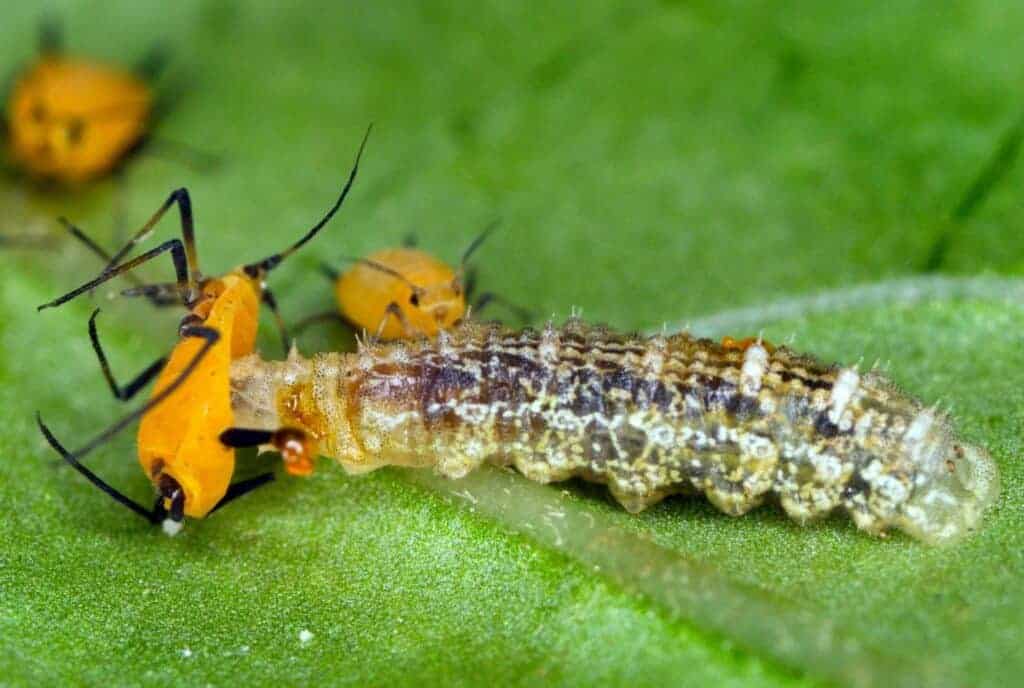
Video: Identifying Syrphid Fly Larvae: Important Beneficial Insects in Controlling Aphids
This video highlights the importance of biodiversity in natural pest suppression, and teaches viewers how to identify beneficial syrphid flies.
Harnessing Aphid Alarm Pheromone to Rid Broccoli Heads of Aphids
The purpose of this project was to find a way to make aphid-infested broccoli heads marketable by inducing the aphids to walk…
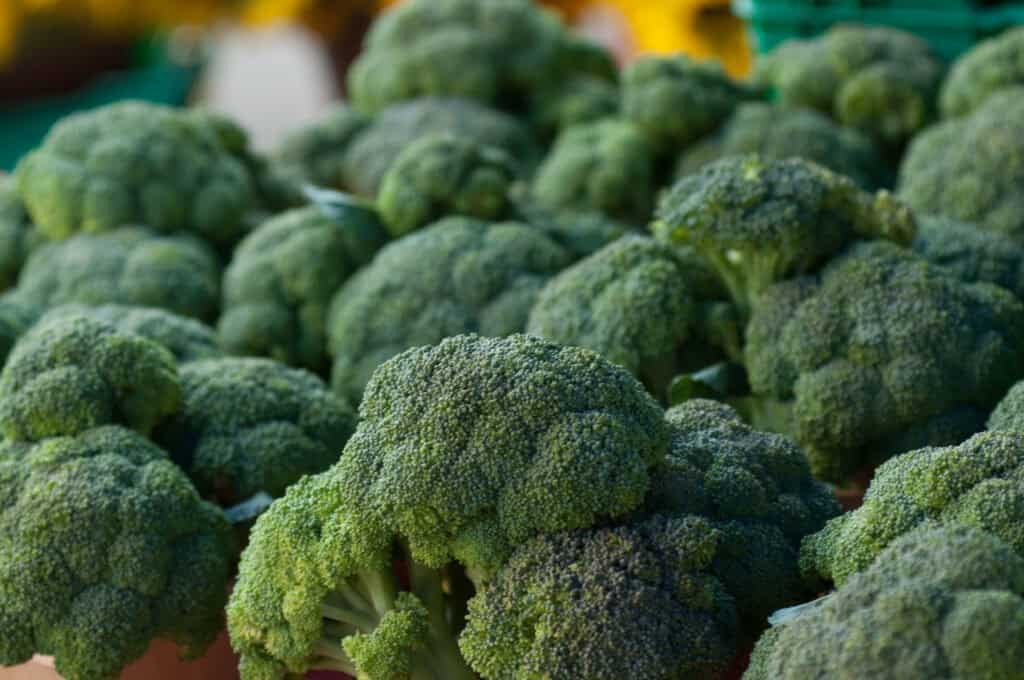
Harnessing Aphid Alarm Pheromone to Rid Broccoli Heads of Aphids
The purpose of this project was to find a way to make aphid-infested broccoli heads marketable by inducing the aphids to walk away in response to alarm pheromone. Organic broccoli can be made unmarketable when aphids infest the head. Aphid…
Webinar: Efficient Intercropping for Biological Control of Aphids in Transplanted Organic Lettuce
Discover how organic farmers control aphids naturally using beneficial insects like hoverflies. This resource highlights intercropping techniques and research by Eric Brennan…
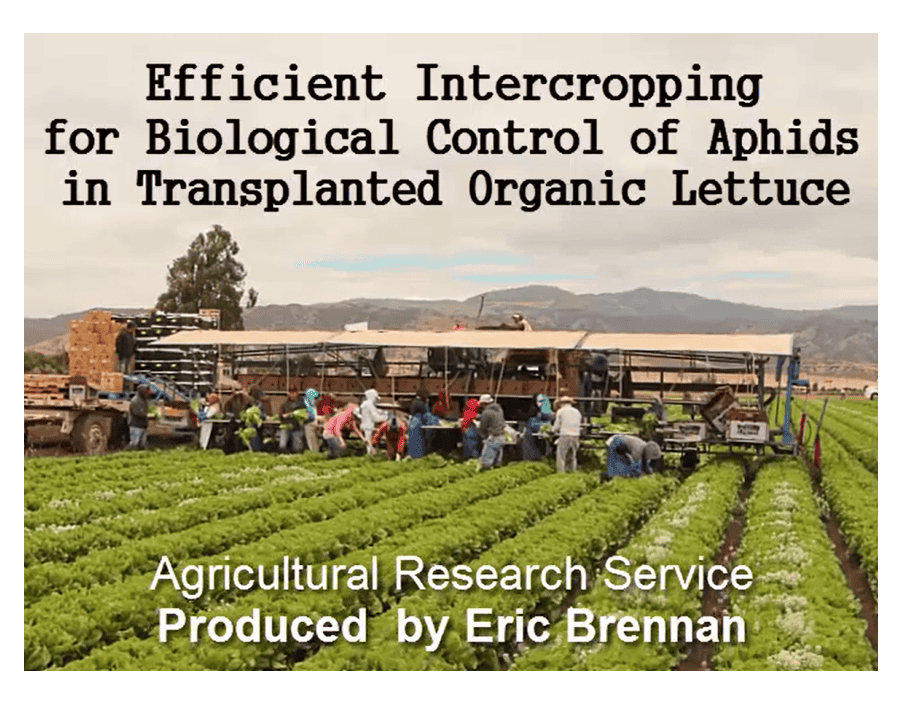
Webinar: Efficient Intercropping for Biological Control of Aphids in Transplanted Organic Lettuce
Discover how organic farmers control aphids naturally using beneficial insects like hoverflies. This resource highlights intercropping techniques and research by Eric Brennan for efficient biological control in organic lettuce production.
Aphids — Botanical Control Formulations
This guide, produced by ATTRA NCAT, reviews botanical formulations for controlling aphids, covering garlic, rosemary, papaya leaf, and mint family extracts. It…
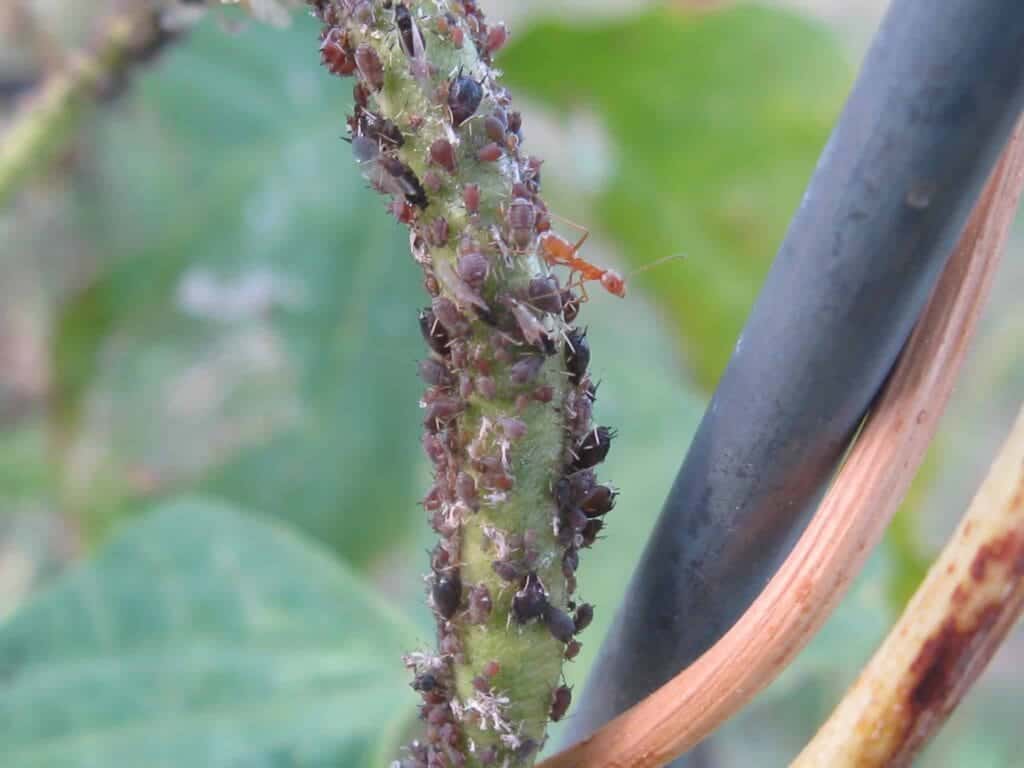
Aphids — Botanical Control Formulations
This guide, produced by ATTRA NCAT, reviews botanical formulations for controlling aphids, covering garlic, rosemary, papaya leaf, and mint family extracts. It summarizes research findings on each remedy's efficacy, preparation methods, and application considerations, offering organic vegetable growers practical, low-risk alternatives to synthetic pesticides.
Effects of Organic and Synthetic Fertilizer on Insect Herbivore Populations in Quinoa
Fertilizers, which provide essential nutrients to crops throughout the growing season, are an important component of many agricultural systems. In addition to…
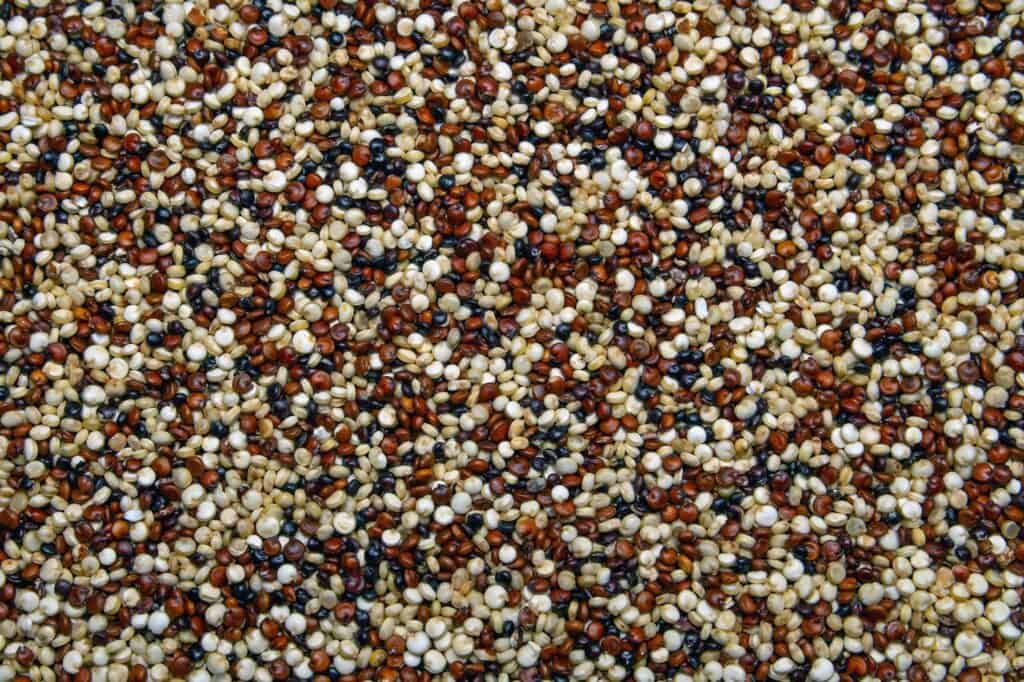
Effects of Organic and Synthetic Fertilizer on Insect Herbivore Populations in Quinoa
Fertilizers, which provide essential nutrients to crops throughout the growing season, are an important component of many agricultural systems. In addition to their impacts on crop productivity/growth, fertilizers can also influence a crop’s pest tolerance. This study, conducted by researchers at Washington State University, evaluated the effects of organic and synthetic fertilizer inputs on insect pest populations in two quinoa varieties.
Adapting and Expanding High Tunnel Organic Vegetable Production for the Southeast
High tunnel production requires careful management of temperature, humidity, and intensive crop rotations, and can entail new soil, nutrient, pest, and disease…
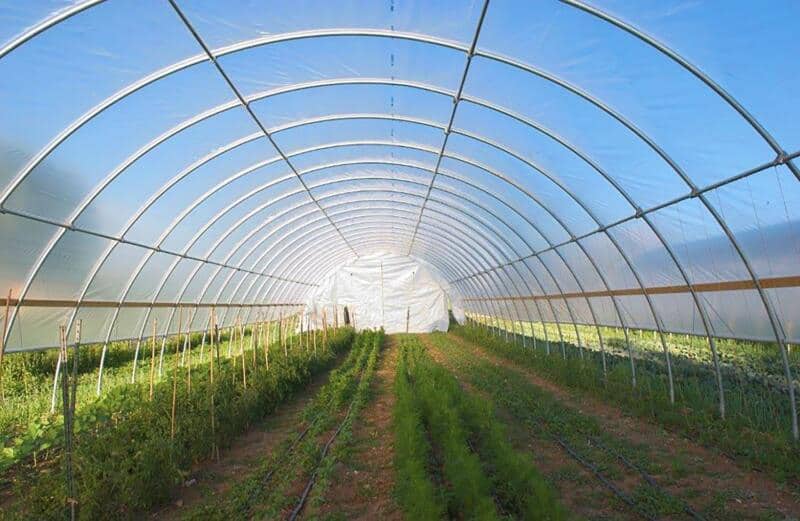
Adapting and Expanding High Tunnel Organic Vegetable Production for the Southeast
High tunnel production requires careful management of temperature, humidity, and intensive crop rotations, and can entail new soil, nutrient, pest, and disease management issues. This University of Florida-led project conducted field station and on-farm research into management of the physical environment, crops, nutrients, soil health, pests, and diseases in organic high tunnel vegetable production in the Southern region.
Integrating Biological Control for the Key Pests Diamondback Moth and Cabbage Aphid in Organic Brussels Sprouts
Diamondback moth (Plutella xylostella) and cabbage aphid (Brevicoryne brassicae) are the main pests affecting Brussels sprouts on the California Central Coast. Due…

Integrating Biological Control for the Key Pests Diamondback Moth and Cabbage Aphid in Organic Brussels Sprouts
Diamondback moth (Plutella xylostella) and cabbage aphid (Brevicoryne brassicae) are the main pests affecting Brussels sprouts on the California Central Coast. Due to the potential damage these pests can cause and the limited availability o…
Integrating Conservation of Generalist Predators and Specialist Parasitoids in Pacific Northwest Organic Vegetables
Organic farms often have a diverse range of beneficial insects, but pest problems are still common. One reason for this may be…
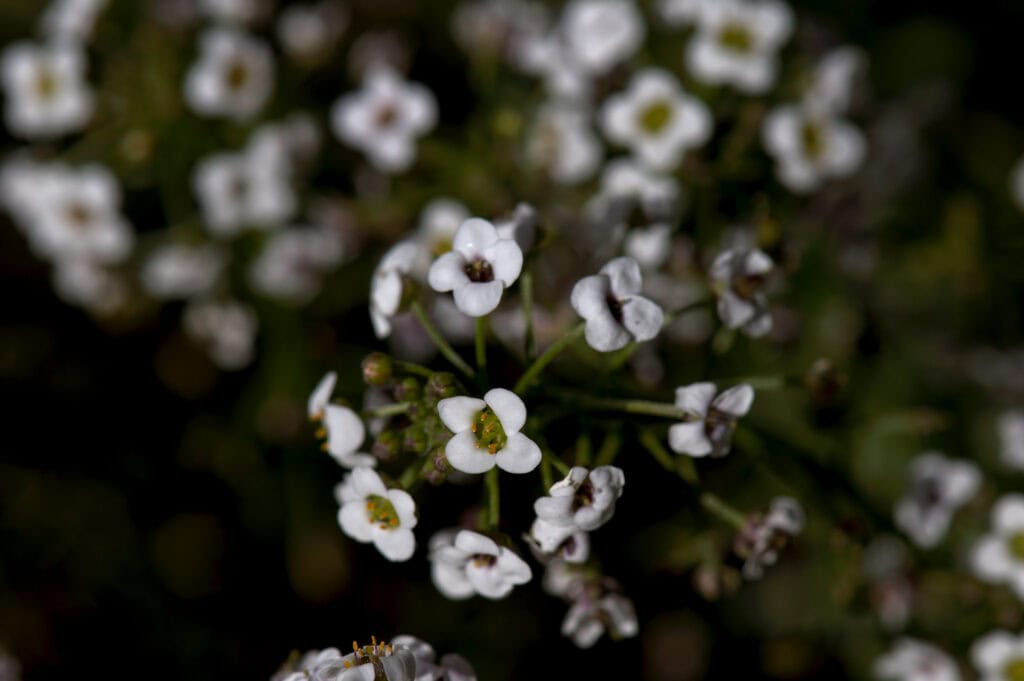
Integrating Conservation of Generalist Predators and Specialist Parasitoids in Pacific Northwest Organic Vegetables
Organic farms often have a diverse range of beneficial insects, but pest problems are still common. One reason for this may be that there are not enough of certain types of natural enemies, or that they are not diverse enough, to effectivel…
Webinar: Biological Control of Cole Crop Pests on the California Central Coast
Join Diego Nieto from UCSC in this informative webinar, focusing on how predators and parasitoids can effectively manage cabbage aphids, diamondback moths,…

Webinar: Biological Control of Cole Crop Pests on the California Central Coast
Join Diego Nieto from UCSC in this informative webinar, focusing on how predators and parasitoids can effectively manage cabbage aphids, diamondback moths, and cabbage root flies in organic brassica crops.
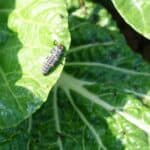
Biological Control of Pests in High Tunnels
Discover effective biological control methods for managing major insect and mite pests like aphids and thrips in high tunnels. Utilize natural enemies…
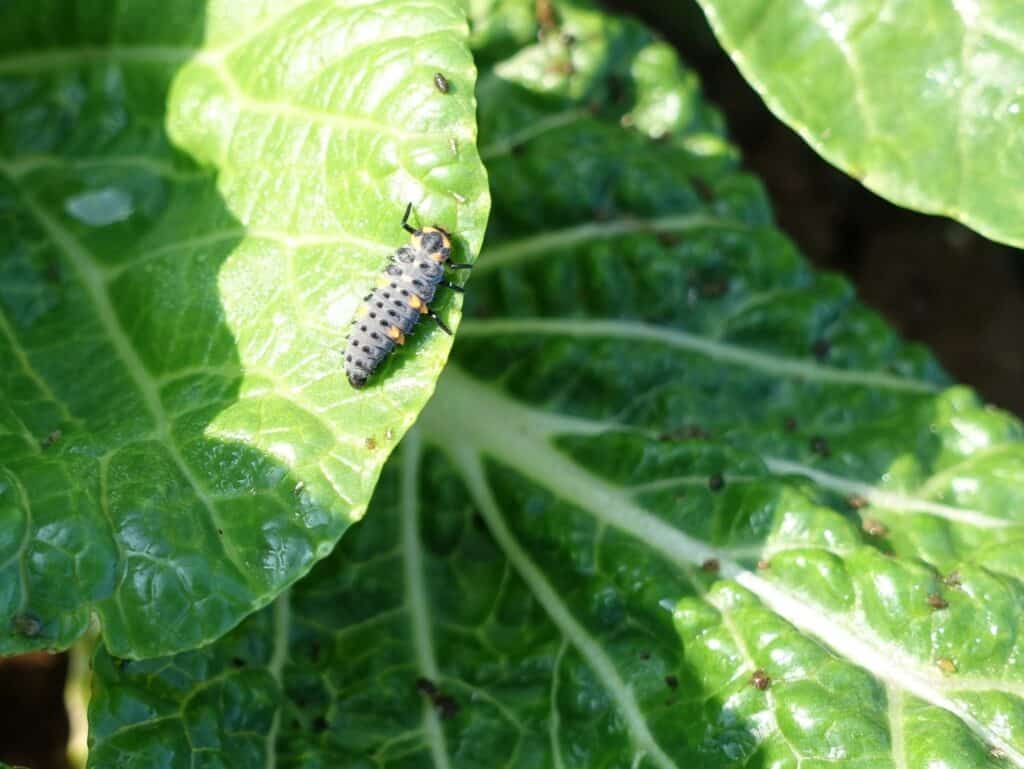
Biological Control of Pests in High Tunnels
Discover effective biological control methods for managing major insect and mite pests like aphids and thrips in high tunnels. Utilize natural enemies to maintain pest populations below economically harmful levels for your crops.
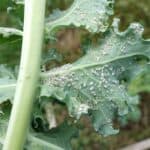
Determining habitat requirements for natural enemies of crop pests
Pest control by resident populations of natural enemies is affected by the landscape context of the farm. Weekly insect surveys showed that…
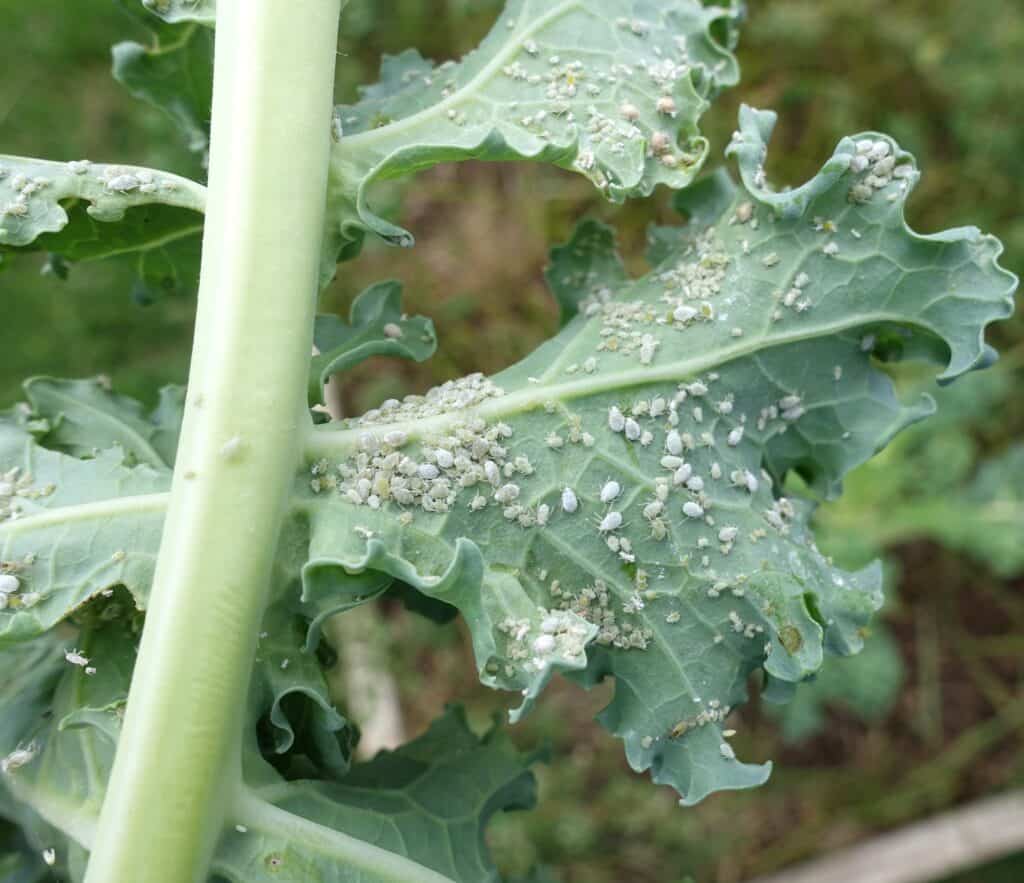
Determining habitat requirements for natural enemies of crop pests
Pest control by resident populations of natural enemies is affected by the landscape context of the farm. Weekly insect surveys showed that natural enemy populations increased with the proportion of natural habitat in the surrounding area t…
Biological control of Delia sp. in cole crops with rove beetles, Aleochara sp. (Part 2)
The consumer demand for organic produce is increasing. In order for growers to be able to meet this demand, effective non-chemical tools…
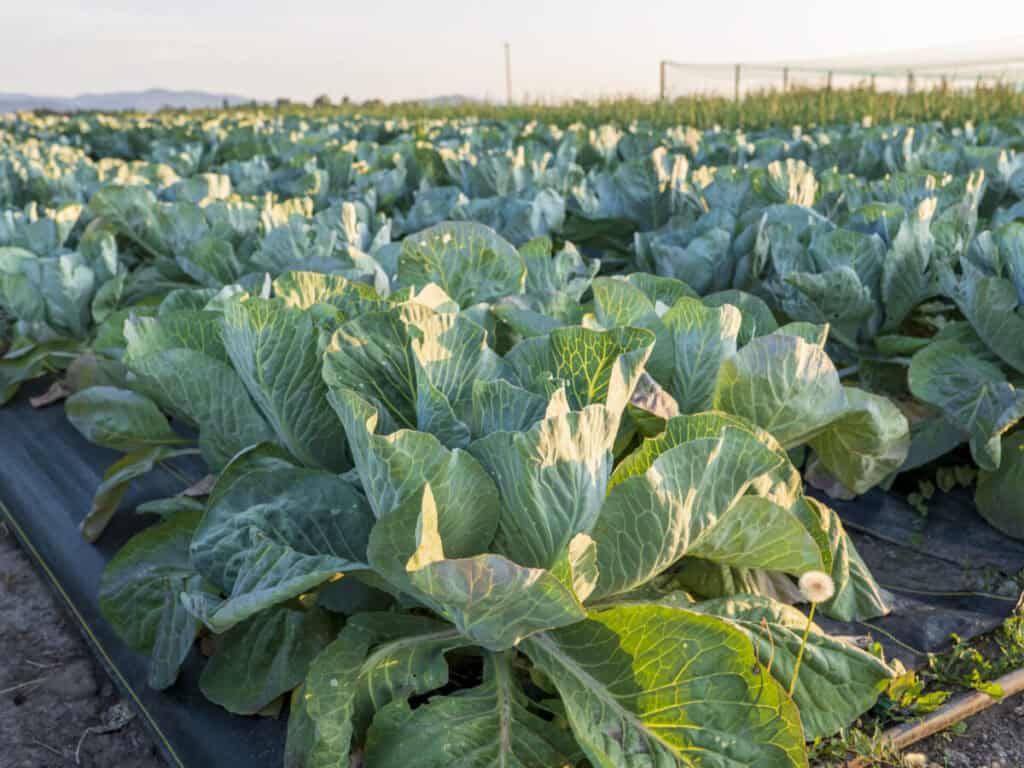
Biological control of Delia sp. in cole crops with rove beetles, Aleochara sp. (Part 2)
The consumer demand for organic produce is increasing. In order for growers to be able to meet this demand, effective non-chemical tools need to be available for pest management. In BC in particular there is an increase in the production of…
16 resources found