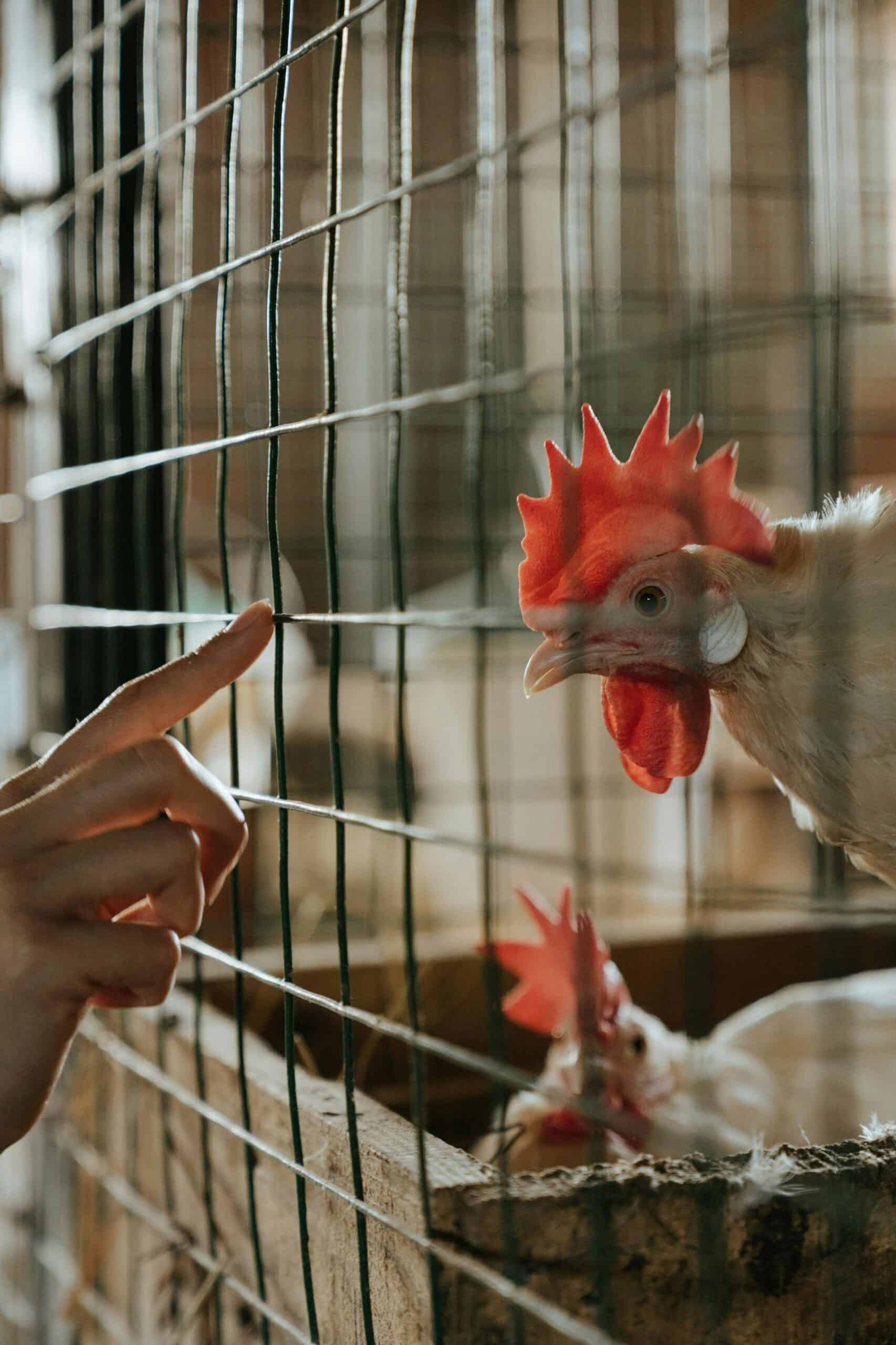
Records Needed for Organic Poultry Certification
This factsheet describes record-keeping requirements for organic poultry producers. Specific sections of the federal…


Requirements for Organic Poultry Production
In order to be sold in the United States as organic, all agricultural products–including domestic and imported poultry…
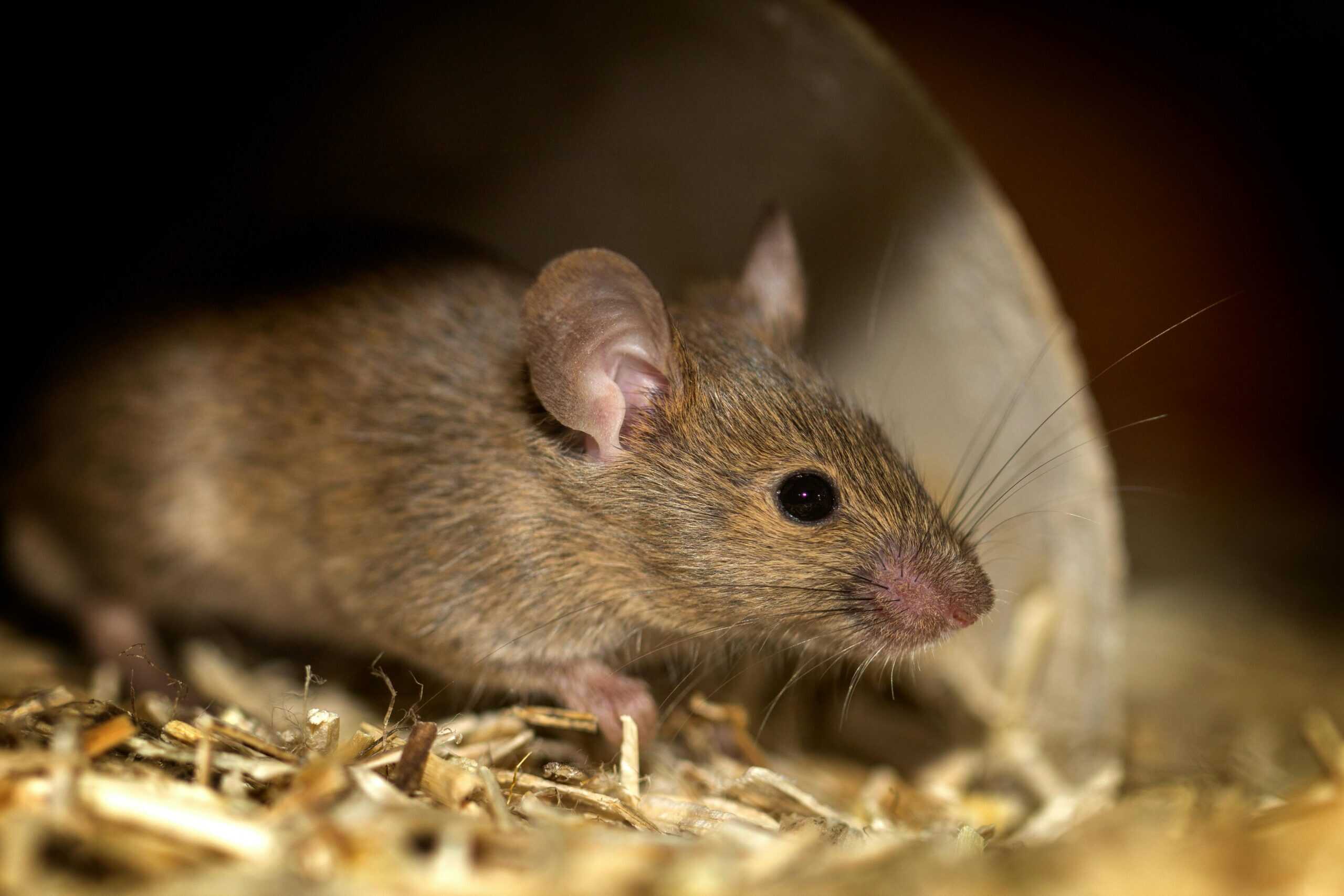
Rodent Control on Organic Poultry Farms
Effective rodent control is crucial for organic poultry farms to mitigate veterinary risks, economic losses, and…

Synthetic Methionine and Organic Poultry Diets
Methionine is a vital sulfur-containing amino acid crucial for poultry health and productivity. This factsheet explains…
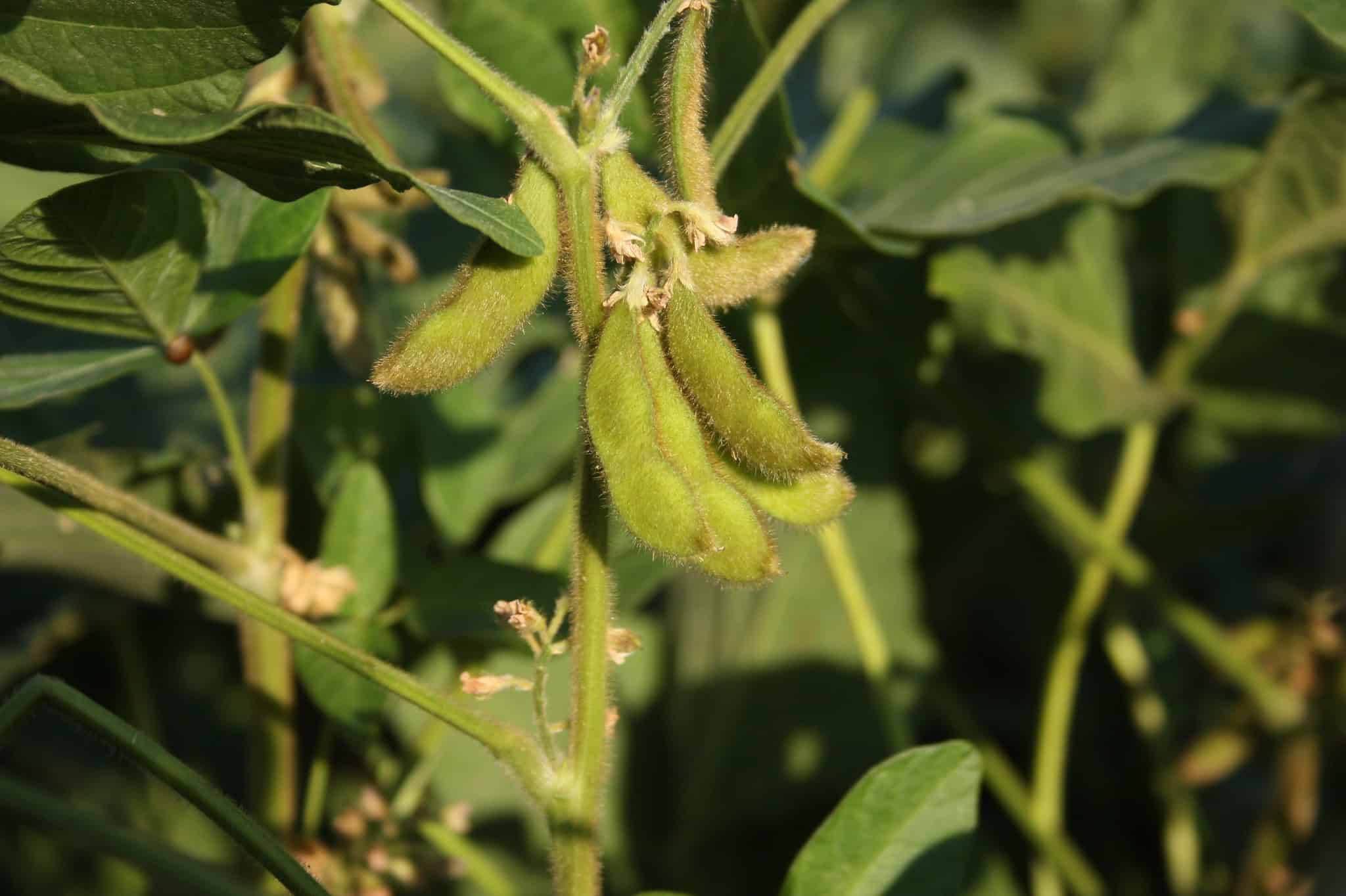
The Amino Composition of Organic Soybean Meal for the Formulation of Organic Poultry Feed
Soybean meal presents an additional protein source for organic poultry feed, complementing the main diet to ensure that…
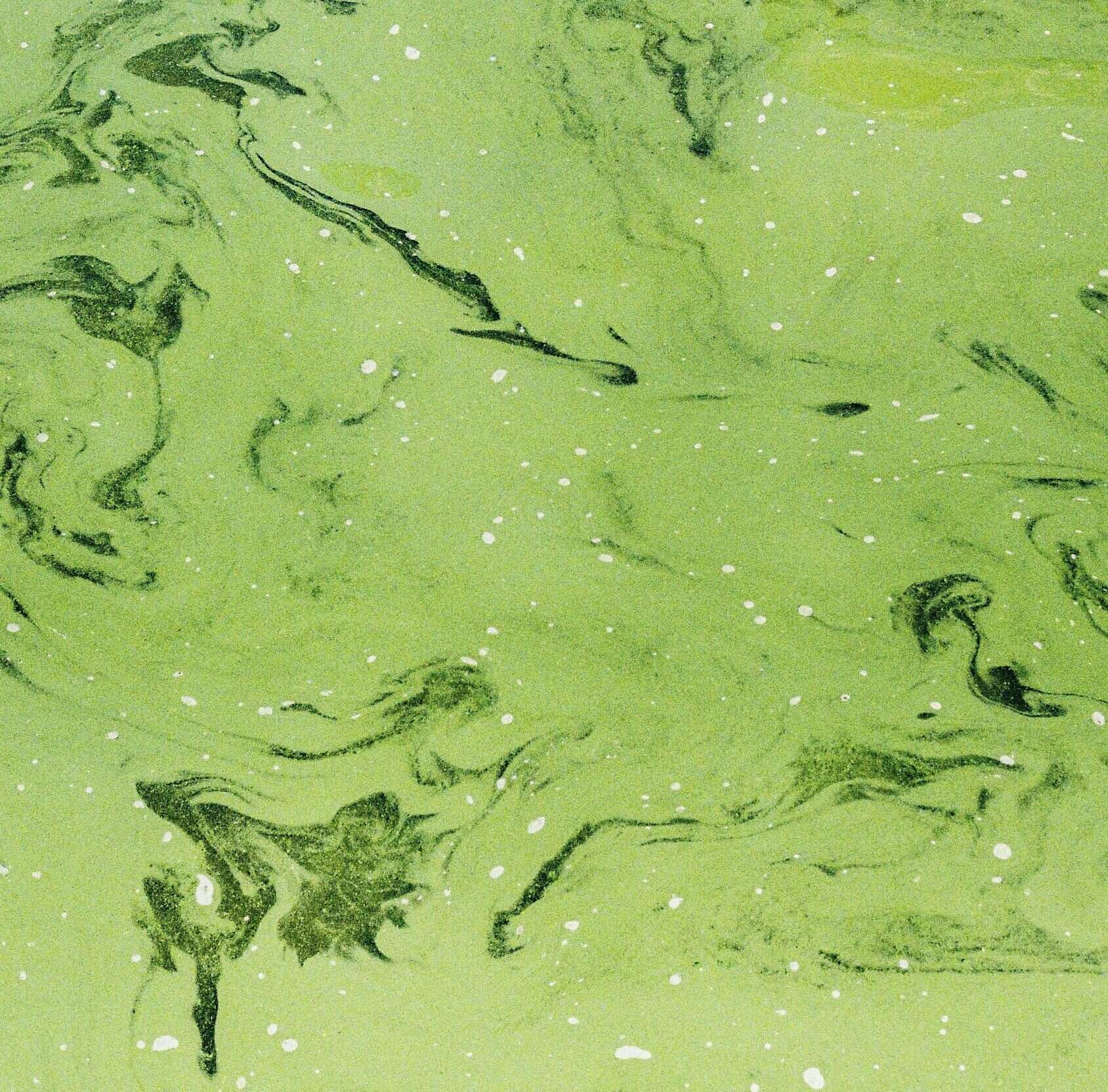
Use of Microalgae in Organic Poultry Diets
Microalgae, like Spirulina, can yield 125 times more protein than corn on the same land area. They offer year-round…
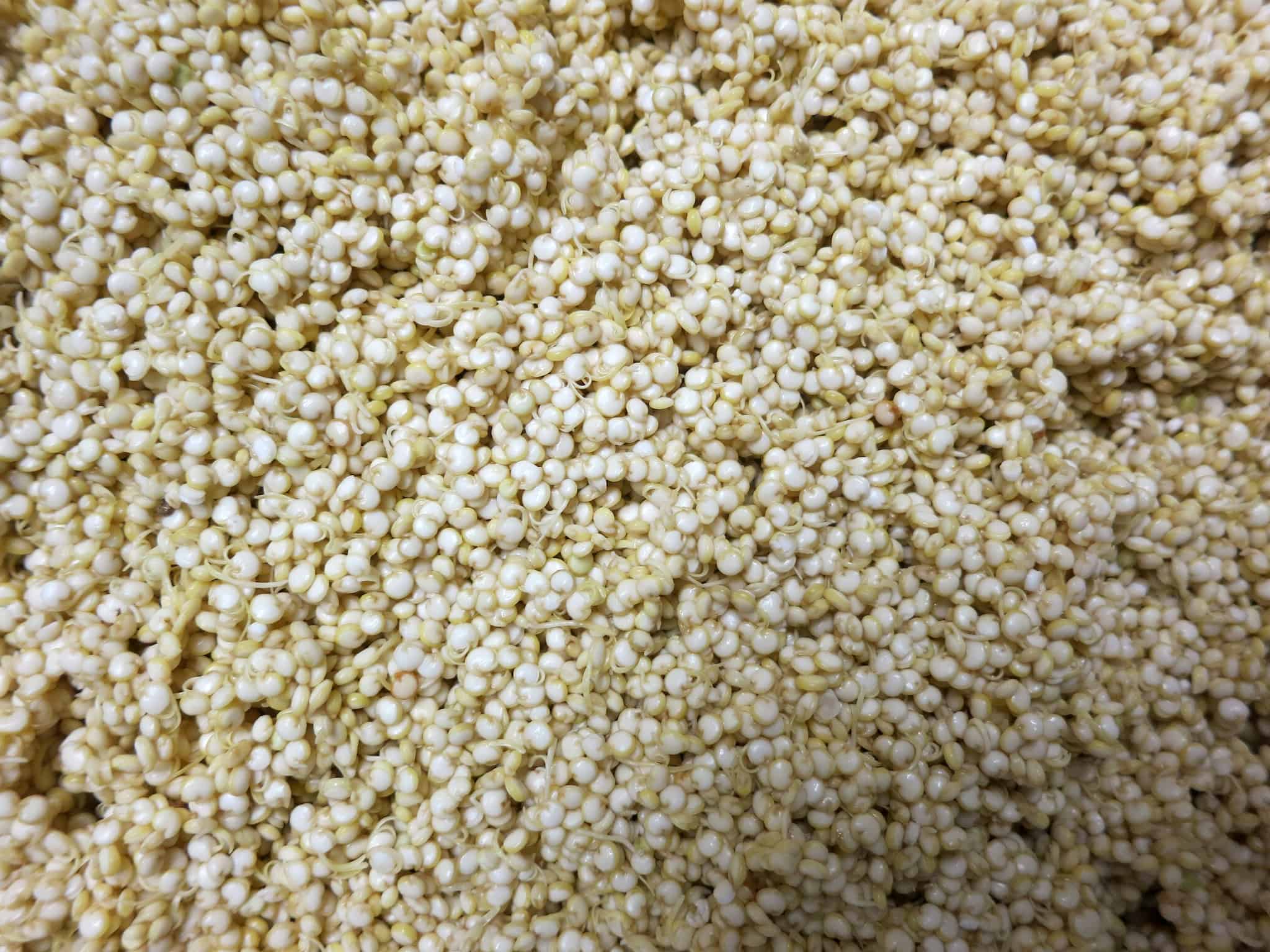
Using Quinoa in Organic Poultry Diets
Explore the use of quinoa in organic poultry diets in this factsheet that discusses the crop's nutritional profile and…
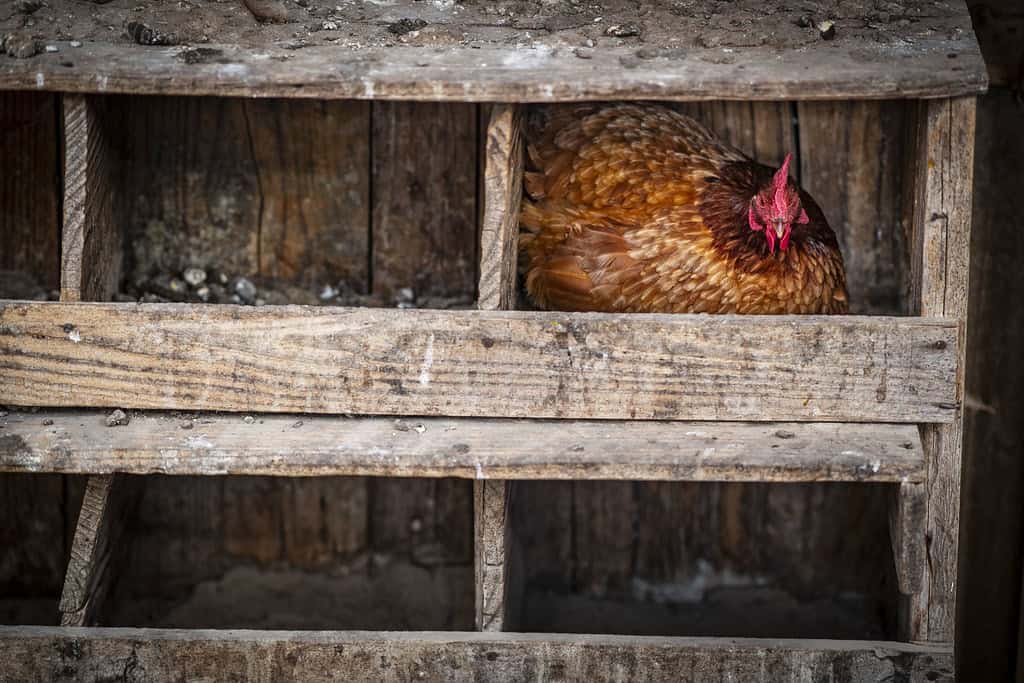
Cleaning and Disinfecting in Organic Poultry Production
Implementing a robust organic poultry health program starts with a solid cleaning and disinfecting plan for all…
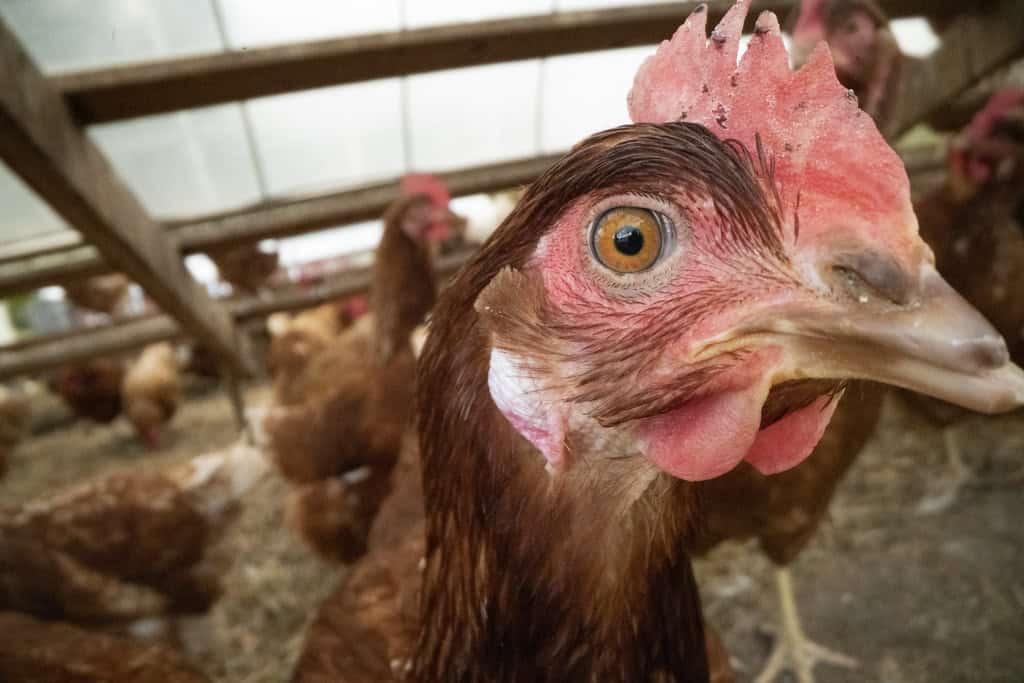
Control of External Parasites in Organic Poultry Production
This brief factsheet explains the basics of monitoring and controlling external parasites in organic poultry…

Darkling Beetle Control on Organic Poultry Farms
Darkling beetles, common in poultry facilities, pose risks to birds and can feed on various organic materials. Learn…